The Complete Buyer’s Guide to Stab-Proof Shirt
The Ultimate Guide to Stab-Proof Shirt: Your Unseen Shield for Everyday Life

Stabapparel Stabproof Hoodie UHMWPE fiber
I. Introduction Stab-Proof Clothing: The Unseen Shield for Everyday Life
The demand for stab-proof clothing and other forms of discreet personal protection has never been greater in an increasingly unpredictable world, . Whether you’re a security professional, delivery driver, retail worker, first responder, or simply someone who wants added peace of mind, modern stab-proof clothing provides an effective way to reduce the risk of serious injury while maintaining comfort and mobility in everyday life. In an increasingly unpredictable world, the demand for stab-proof clothing and other forms of discreet personal protection has never been greater. Whether you’re a security professional, delivery driver, retail worker, first responder, or simply someone who wants added peace of mind, modern stab-proof clothing provides an effective way to reduce the risk of serious injury while maintaining comfort and mobility in everyday life.
From the daily commute to professional duties, individuals are seeking effective yet discreet ways to safeguard themselves against potential threats. While traditional body armor often conjures images of bulky, overt gear, advancements in material science have paved the way for a new generation of protective apparel: stab-proof clothing. This innovative solution offers a vital layer of defense, seamlessly integrating into everyday wear without compromising comfort or style.
Stab-proof clothing is engineered with specialized materials designed to resist penetration from sharp objects, such as knives, blades, and spikes. Unlike its more robust counterpart, bulletproof armor, stab-resistant garments focus specifically on mitigating the unique dangers posed by edged and pointed weapons. This article will delve deep into the world of stab-proof clothing, exploring its underlying science, the rigorous testing standards it undergoes, and its practical applications for a diverse range of individuals and professions.
At StabApparel, we believe that personal safety should be accessible, comfortable, and discreet. Our commitment lies in providing cutting-edge stab-resistant solutions that empower individuals to navigate their daily lives with confidence. Utilizing advanced Ultra-High Molecular Weight Polyethylene (UHMWPE) fibers, StabApparel’s clothing line combines superior protection with modern design, ensuring that your unseen shield is as effective as it is inconspicuous.
Throughout this comprehensive guide, you will embark on a journey to understand the critical distinctions between stab and bullet resistance, learn how to identify certified protective gear, and discover the ideal stab-proof solutions tailored to your specific needs. We will explore the science behind these remarkable materials, debunk common myths, and provide practical advice on maintenance and care. By the end, you will be equipped with the knowledge to make informed decisions about your personal safety, understanding why StabApparel stands as a trusted leader in discreet, everyday protection.
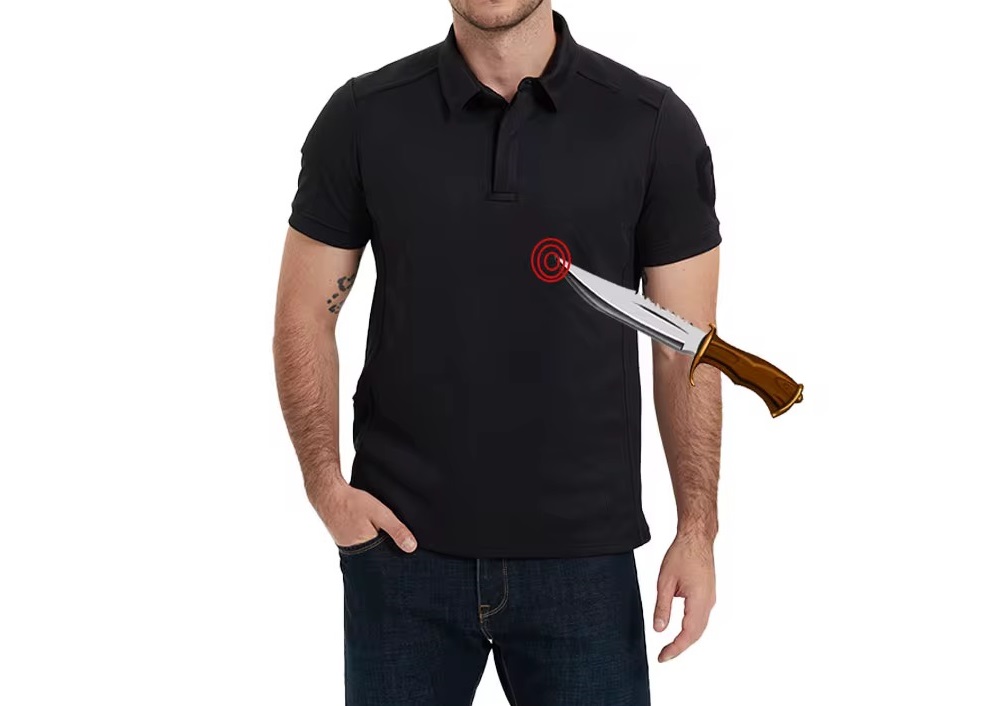
Stab proof Polo T-shirt
II. Understanding the Threat: Knives, Spikes, and Beyond
The threat of knife violence and assaults remains a significant concern globally, impacting communities and individuals across various demographics. While statistics can paint a grim picture, understanding the nature of these threats is the first step toward effective protection. It’s not just about the weapon itself, but the dynamics of an attack and the specific injuries they can inflict.
A. The Reality of Knife Crime and Assaults
Knife crime encompasses a broad spectrum of incidents, from opportunistic attacks to targeted assaults. The accessibility of knives and other sharp objects makes them a prevalent weapon in street crime, domestic disputes, and even workplace altercations. The consequences of such attacks can range from severe lacerations to fatal penetrating injuries, often leading to significant physical and psychological trauma. Unlike firearms, which are often associated with specific high-risk environments, knives can be present anywhere, making the threat more pervasive and less predictable.
B. Different Types of Bladed and Pointed Weapons
When discussing stab-proof clothing, it’s crucial to recognize the variety of threats it aims to counter. These can be broadly categorized into bladed weapons and pointed weapons:
•Bladed Weapons: These include common kitchen knives, utility knives, hunting knives, and even improvised sharp objects. Their primary danger lies in their cutting edge, capable of inflicting deep lacerations and severing vital tissues. However, their pointed tips also pose a significant stab threat.
•Pointed Weapons: This category includes ice picks, shanks, screwdrivers, and other objects designed for piercing. These weapons may not have a sharp edge but can deliver concentrated force to a small area, making them exceptionally dangerous for penetrating soft body tissues and organs.
Understanding the distinct characteristics of these weapons is vital because effective stab protection must address both cutting and piercing forces. Some materials excel at resisting slashes, while others are specifically engineered to prevent punctures.
C. The Mechanics of a Stab vs. a Slash Injury
While often used interchangeably,
“stab” and “slash” refer to different types of attacks and injuries, each requiring specific protective measures.
•Stab Injury: A stab occurs when a pointed object is thrust forcefully into the body. The energy is concentrated at the tip, allowing it to penetrate deep into tissues, potentially reaching vital organs. Stab injuries are often more lethal due to the depth of penetration and the risk of internal bleeding.
•Slash Injury: A slash involves a sweeping motion with a bladed weapon across the body. The force is distributed along the cutting edge, resulting in lacerations that can be extensive but are typically shallower than stab wounds. While slashes can cause significant blood loss and damage to muscles and tendons, they are generally less likely to immediately threaten vital organs compared to deep stabs.
Stab-proof clothing is primarily designed to mitigate the severe risks associated with stab injuries, although many high-quality garments also offer substantial slash resistance. The key is to understand that a garment designed solely for slash protection (like some cut-resistant gloves) may not provide adequate defense against a forceful stab.
D. Psychological Impact of Threats and the Need for Preparedness
Beyond the physical dangers, the mere threat of knife violence can have a profound psychological impact. Living or working in environments where such threats are perceived as high can lead to chronic stress, anxiety, and a diminished sense of security. This psychological burden can affect an individual’s well-being and performance.
Preparedness, in the form of protective clothing, can offer a significant psychological benefit. Knowing that one has a layer of defense can reduce anxiety and instill a sense of confidence and control. This empowerment is a crucial aspect of personal safety, allowing individuals to focus on their daily activities or professional duties without the constant shadow of fear.
III. The Science of Protection: How Stab-Resistant Fabrics Work
The effectiveness of stab-proof clothing lies in the sophisticated engineering of its materials. These fabrics are not merely thick layers of cloth; they are complex structures designed to absorb, distribute, and dissipate the concentrated energy of a stabbing attack. Understanding the science behind these materials is essential for appreciating their protective capabilities.
A. Overview of Protective Materials
The development of stab-resistant body armor has evolved significantly from the heavy, rigid materials of the past. Today, the industry relies on advanced synthetic fibers that offer a remarkable balance of strength, flexibility, and weight. The two most prominent categories of these materials are Aramid fibers and Ultra-High Molecular Weight Polyethylene (UHMWPE).
B. Deep Dive: Ultra-High Molecular Weight Polyethylene (UHMWPE) Fibers
At StabApparel, we prioritize the use of Ultra-High Molecular Weight Polyethylene (UHMWPE) in our protective garments. This remarkable material represents the pinnacle of modern stab-resistant technology, offering unparalleled performance characteristics.
1. Molecular Structure and Strength
UHMWPE is a type of polyolefin characterized by extremely long chains of polyethylene molecules. These long chains are highly aligned and tightly packed, resulting in a material with extraordinary tensile strength. In fact, UHMWPE fibers are significantly stronger than steel on a weight-for-weight basis. This high tensile strength is the foundation of its protective capabilities, allowing it to resist the immense forces exerted during a stabbing attack.
2. Energy Absorption and Dissipation
When a sharp object strikes a UHMWPE fabric, the material’s unique structure comes into play. The tightly woven fibers act as a net, catching the point of the weapon. Instead of allowing the weapon to penetrate, the fibers stretch and deform, absorbing the kinetic energy of the impact. This energy is then rapidly distributed across a wider area of the fabric, dissipating the force and preventing the weapon from piercing through to the wearer’s body.
3. Advantages of UHMWPE
The use of UHMWPE offers several distinct advantages that make it ideal for everyday stab-proof clothing:
•Lightweight: UHMWPE is incredibly light, allowing for the creation of protective garments that do not weigh the wearer down. This is crucial for comfort and mobility, especially during extended periods of wear.
•Flexibility: Unlike rigid armor plates, UHMWPE fabrics are highly flexible. They conform to the body’s movements, ensuring that the wearer can perform their duties or daily activities without restriction.
•Moisture Resistance: UHMWPE is inherently resistant to moisture and chemicals. It does not absorb water, meaning it retains its protective properties even in wet conditions and is less susceptible to degradation from sweat or environmental factors.
C. Aramid Fibers (Kevlar, Twaron)
Aramid fibers, such as Kevlar and Twaron, are another widely used class of materials in protective clothing. These synthetic fibers are known for their high strength and thermal stability.
•Properties: Aramid fibers possess excellent tensile strength and are highly resistant to heat and flames. They are often used in applications where both ballistic and thermal protection are required.
•Applications: While effective against ballistic threats, Aramid fibers are also used in stab-resistant vests. However, they can be heavier and less flexible than UHMWPE, and they may be more susceptible to degradation from moisture and UV light over time.
D. Other Advanced Materials
The field of protective materials is constantly evolving, with researchers exploring new ways to enhance stab resistance.
•Cut-Tex PRO: This is a proprietary fabric known for its exceptional cut resistance. While primarily designed to prevent slash injuries, it is often incorporated into garments to provide a comprehensive layer of defense against edged weapons.
•Composites: Some advanced armor systems utilize composite materials, combining different fibers or incorporating rigid elements (like ceramic or metal plates) to achieve higher levels of protection against extreme threats.
E. Comparison Table: UHMWPE vs. Aramid vs. Other Materials
| Feature | UHMWPE (e.g., Dyneema, Spectra) | Aramid (e.g., Kevlar, Twaron) | Other (e.g., Cut-Tex PRO) |
| Primary Strength | Extremely high strength-to-weight ratio, lightweight. | High tensile strength, thermal stability. | Exceptional cut/slash resistance. |
| Flexibility | High; conforms well to the body. | Moderate; can be stiffer than UHMWPE. | High; often used in flexible garments. |
| Weight | Very lightweight. | Heavier than UHMWPE. | Varies depending on the blend. |
| Moisture Resistance | Excellent; does not absorb water. | Moderate; can degrade if exposed to moisture over time. | Varies depending on the specific fabric blend. |
| Best Application | Everyday wear, discreet protection, high-velocity impacts. | Multi-threat scenarios (ballistic + stab), high-heat environments. | Slash protection, integrated into multi-layer systems. |
(Note: This table provides a general overview. Specific performance can vary based on the exact formulation and construction of the material.)

stabproof Waistcoat
IV. Standards and Certification: Ensuring Real-World Protection
In the realm of personal protective equipment, claims of effectiveness must be rigorously substantiated. This is particularly true for stab-proof clothing, where lives can depend on the garment’s ability to perform as advertised. Independent testing and certification by recognized bodies are therefore paramount, providing an objective measure of a product’s protective capabilities.
A. The Importance of Independent Testing and Certification
Independent testing ensures that protective clothing meets specific performance criteria under controlled conditions. Without such validation, consumers would have no reliable way to assess the true level of protection offered by a product. Certification by reputable organizations signifies that a product has undergone these tests and consistently meets the established standards. This process builds trust and provides assurance that the garment will perform as expected in a real-world threat scenario.
B. NIJ Standard 0115.00: The Benchmark for Stab Resistance
The National Institute of Justice (NIJ) is the research, development, and evaluation agency of the U.S. Department of Justice. Its standards are widely recognized and respected globally. For stab resistance, the NIJ Standard 0115.00 stands as the definitive benchmark, specifically designed to evaluate the performance of body armor against knives and spikes .
1. History and Development
NIJ Standard 0115.00 was developed in collaboration with the UK’s Police Scientific Development Branch (PSDB) and published in 2000. Its creation was a response to the growing need for a standardized method to test and classify stab-resistant body armor, distinct from ballistic protection standards. The standard aims to simulate real-world stabbing attacks, ensuring that certified vests can withstand common threats .
2. Test Methodology
The testing methodology for NIJ 0115.00 is meticulous, involving specific test threats and controlled impact energies. The standard requires two levels of impact energy, referred to as E1 and E2, to assess both the initial resistance and the garment’s ability to prevent deeper penetration under increased force .
•E1 Press (Impact Energy): This represents the force an average person might exert in a typical stabbing attack. For Level 1 protection, the E1 impact energy is approximately 24 joules. The maximum allowed penetration for the E1 drop is 7 mm. This depth is considered safe as it is unlikely to cause injury to internal organs, only a superficial wound .
•E2 Press (Over-Test Energy): The E2 press is 50% higher than the E1, designed to ensure the body armor does not completely fail under higher pressure. For Level 1, the E2 impact energy is approximately 36 joules. The maximum allowed penetration for the E2 drop is 20 mm. This higher penetration limit acknowledges that under extreme force, some deformation is expected, but critical organ damage should still be prevented .
3. Test Threats
NIJ Standard 0115.00 specifies the use of custom-made, engineered test blades and a spike to ensure consistency and repeatability. These include:
•Single-Edged Knife: Simulates common utility or combat knives.
•Double-Edged Knife: Represents blades with cutting edges on both sides.
•Spike: Simulates pointed weapons like ice picks or shanks.
It is crucial to note that a truly compliant NIJ 0115.00 vest should be tested against all three threats. Some products may only be tested against knives or spikes, offering incomplete protection .
4. Understanding Protection Levels
NIJ Standard 0115.00 defines three primary protection levels, each designed for different threat scenarios and operational requirements :
•Level 1: Offers the lowest level of protection, suitable for vests that need to be highly concealable under clothing. It is designed to stop 85% of typical stabbing forces.
•Level 2: Provides a higher level of protection, often used for overt body armor by police or military personnel. It is designed to stop 90% of typical stabbing forces.
•Level 3: Represents the highest and most powerful stab-proof level, typically used in high-risk areas such as correctional facilities or by specialized law enforcement units. It is designed to stop 96% of typical stabbing forces.
Higher protection levels (Level 2 and 3) often result in thicker and less concealable vests, making Level 1 a popular choice for discreet, everyday wear where the primary goal is to mitigate common threats without sacrificing comfort or appearance.
C. Other International Standards
While NIJ 0115.00 is widely recognized, other international standards also exist, each with its own specific testing protocols and classifications. These include:
•British HOSDB (Home Office Scientific Development Branch): Similar in approach to NIJ, the HOSDB standard (now replaced by the Home Office Body Armour Standard) also defines protection levels against knives and spikes, often using backing foam instead of plasticine for penetration measurement .
•VPAM KDIW (Vereinigung der Prüfstellen für angriffshemmende Materialien und Konstruktionen): A German standard that tests resistance against blades (Klinge), spikes (Dorn), injection cannulas (Injektion), and blunt impact (Würfel). It specifies different impact points, strike energies, and angles of incidence .
•EN 388: Primarily for protective gloves, this European standard assesses resistance to abrasion, cut, tear, and puncture. While not specifically for body armor, its cut resistance component (often supplemented by ISO 13997) is relevant for materials used in stab-resistant clothing .
These standards, while varying in specifics, share the common goal of objectively measuring a material’s ability to resist penetration from sharp and pointed objects. When purchasing stab-proof clothing, always look for products tested and certified to one of these recognized standards.
D. The Dangers of Uncertified or Misleading Products
The market for protective clothing can sometimes be populated by products making unsubstantiated claims. Garments labeled
“stab-proof” but lacking certification to recognized standards are often made from low-cost materials that offer minimal protection, sometimes only withstanding 5–10 joules of force. This is significantly below the minimum requirements of NIJ Standard 0115.00 (24 joules for Level 1 E1 impact) and can provide a false sense of security, putting wearers at severe risk . Always verify certifications and be wary of products that do not clearly state their testing standards and results.
E. Stab-Resistant vs. Bullet-Resistant Protection: A Critical Distinction
One of the most common misconceptions in the realm of personal protection is the interchangeability of
“stab-proof” and “bulletproof.” While both fall under the umbrella of body armor, they are fundamentally different in their design, materials, and the threats they are engineered to counter. Understanding this critical distinction is vital for choosing the appropriate protective gear.
1. Different Threat Mechanisms
•Stab Threats: Involve a concentrated force applied to a small area, aiming to penetrate the body with a sharp or pointed object. The primary challenge is to prevent the weapon from piercing through the material. This requires materials that can resist cutting and puncturing, distributing the force over a wider area to prevent localized failure.
•Ballistic (Bullet) Threats: Involve high-velocity projectiles that transfer immense kinetic energy upon impact. The primary challenge is to absorb and dissipate this energy to stop the bullet and minimize blunt force trauma. This requires materials that can deform and stretch significantly toabsorb the impact, often involving multiple layers of specialized fibers.
2. Material Requirements for Each
•Stab-Resistant Materials: Typically utilize tightly woven or layered fabrics made from materials like UHMWPE or aramid, designed to resist cutting and piercing. The goal is to prevent the sharp tip from concentrating enough force to break through the material.
•Bullet-Resistant Materials: Primarily rely on high-tensile strength fibers (like aramid or UHMWPE) arranged in multiple layers. These layers work together tocatch and deform the bullet, spreading its energy over a larger area and slowing it down until it stops. The structure is crucial here, as the fibers need to be able to stretch and absorb the kinetic energy without tearing.
3. Can a Vest Be Both? (Multi-Threat Solutions)
Yes, it is possible for body armor to offer both stab and ballistic resistance, but it requires specific design and material combinations. These are often referred to as multi-threat vests. Achieving both types of protection typically involves:
•Hybrid Materials: Combining layers of materials optimized for stab resistance (e.g., tightly woven UHMWPE) with layers optimized for ballistic resistance (e.g., aramid fibers or specialized UHMWPE laminates).
•Integrated Panels: Utilizing separate panels within a single vest, where one panel provides stab protection and another provides ballistic protection.
•Higher Protection Levels: Generally, vests designed to stop higher ballistic threats (e.g., NIJ Level III or IV) often incorporate materials and designs that inherently offer some degree of stab resistance, though specific stab certification (NIJ 0115.00) is still necessary to confirm this capability.
It is important to note that multi-threat solutions can be heavier and less flexible than single-purpose vests. For individuals primarily concerned with knife and spike threats in everyday scenarios, a dedicated stab-proof garment certified to NIJ 0115.00 is often the most practical and comfortable choice, offering optimal protection against the specific dangers they face without unnecessary bulk.
V. Choosing the Right Protection Level: A Comprehensive Buying Guide
Selecting the appropriate stab-proof clothing is a critical decision that should be based on a thorough assessment of individual needs, risk exposure, and desired comfort levels. This buying guide will walk you through the key factors to consider to ensure you choose the best protective solution for your situation.
A. Assessing Your Risk Profile: Who Needs What?
The first step in choosing stab-proof clothing is to honestly evaluate your personal risk profile. Consider your daily activities, work environment, and any specific threats you might encounter. Different scenarios call for different levels of protection and concealment.
•Occasional Risk (e.g., general public in urban areas): Individuals who want a basic layer of discreet protection for everyday peace of mind. They might prioritize comfort and concealability over maximum protection levels.
•Moderate Risk (e.g., delivery drivers, retail workers, teachers): Professions that involve interaction with the public, potentially in unpredictable situations. These individuals need reliable protection that is also comfortable for extended wear and can be worn discreetly under uniforms or regular clothing.
•High Risk (e.g., security guards, law enforcement, correctional officers): Professionals who regularly face direct threats involving bladed or pointed weapons. They require robust protection, often with higher NIJ levels, and may prioritize overt or multi-threat solutions.
B. Factors to Consider
Once you have assessed your risk profile, several practical factors will guide your selection process:
1. Threat Level
This directly correlates with the NIJ protection levels discussed earlier. If your primary concern is common knife attacks, NIJ Level 1 might suffice. For higher-risk environments or specific threats, Level 2 or 3 might be necessary. Always match the garment’s certified protection level to the anticipated threat.
2. Concealment Needs
•Covert (Concealed): Designed to be worn discreetly under regular clothing, making it virtually undetectable. Ideal for civilians, plainclothes professionals, or anyone who does not wish to draw attention to their protective gear. These typically feature thinner, more flexible materials.
•Overt (Visible): Worn over clothing, often as part of a uniform. These vests can be bulkier and may offer higher levels of protection or additional features like pockets for equipment. Common for uniformed security or law enforcement.
StabApparel specializes in covert, discreet protection, ensuring that our garments blend seamlessly with your everyday wardrobe.
3. Comfort and Flexibility for Everyday Wear
For stab-proof clothing to be effective, it must be worn consistently. This means comfort and flexibility are paramount, especially for everyday users. Look for garments that:
•Allow for a full range of motion without restriction.
•Are breathable to prevent overheating.
•Have a soft, non-abrasive feel against the skin.
•Are lightweight enough to be worn for extended periods without fatigue.
4. Weight and Bulk
Heavier and bulkier garments can hinder movement and reduce compliance. Modern materials like UHMWPE have significantly reduced the weight of protective gear without compromising effectiveness. Consider how the weight and bulk will impact your daily activities.
5. Durability and Lifespan
Stab-proof clothing is an investment in your safety. Look for products made from durable materials that can withstand regular use and maintain their protective properties over time. The lifespan of a garment can vary based on material quality, construction, and care. Manufacturers typically provide guidelines for expected lifespan.
6. Maintenance and Care
Ease of care is an important practical consideration. Can the garment be machine washed, or does it require special cleaning? Proper maintenance is crucial for preserving the integrity and lifespan of the protective materials.
7. Cost vs. Value
While cost is always a factor, it should not be the sole determinant when it comes to personal safety. Consider the long-term value, including the garment’s durability, certified protection level, comfort, and the peace of mind it provides. Investing in a high-quality, certified product is an investment in your well-being.
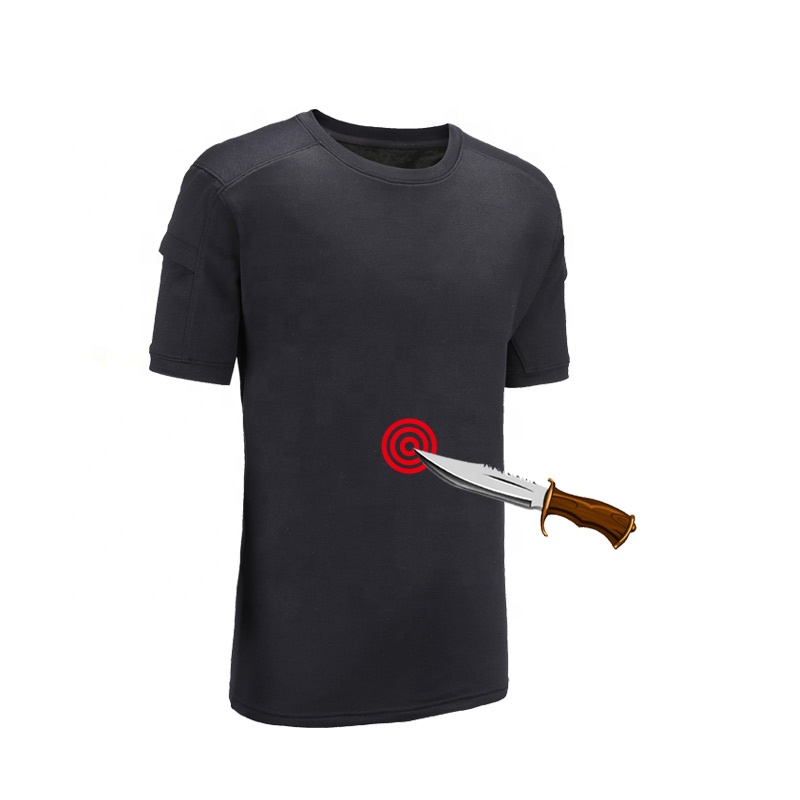
Stab Proof Undershirt
C. StabApparel’s Approach to Protection Levels and Design
StabApparel designs its products with a clear focus on discreet, everyday protection. Our garments are engineered to meet and often exceed the requirements for NIJ Level 1 protection, providing a robust defense against common threats while remaining virtually indistinguishable from regular clothing. We leverage advanced UHMWPE technology to achieve this balance of lightweight comfort, flexibility, and certified stab resistance. Our design philosophy centers on integrating safety seamlessly into your lifestyle, ensuring that protection is always at hand without compromising your appearance or freedom of movement.
VI. Product Types: Finding Your Ideal Stab-Proof Solution
Stab-proof clothing has evolved beyond bulky vests to encompass a wide array of garments designed for various needs and levels of discretion. StabApparel offers a versatile range of products, each engineered to provide effective protection while blending seamlessly into your daily wardrobe. Understanding the different product types available will help you select the most suitable option for your lifestyle and specific requirements.
A. Stab-Proof T-Shirts and Undershirts
These are perhaps the most popular and discreet forms of stab-proof clothing, designed to be worn directly against the skin or as a base layer under other garments. They are ideal for individuals seeking everyday protection without drawing attention. Stab-proof T-shirts and undershirts typically feature lightweight, flexible UHMWPE fabrics that conform to the body, offering protection to the torso, which is a common target area for stab attacks.
•Key Features: High concealability, comfort for all-day wear, often breathable and moisture-wicking.
•Ideal for: Civilians, office workers, students, or anyone desiring discreet, foundational protection.
B. Stab-Proof Polo Shirts
Combining a professional appearance with essential protection, stab-proof polo shirts are an excellent choice for individuals in customer-facing roles or those who prefer a slightly more formal look than a T-shirt. These garments integrate stab-resistant materials into the fabric of a standard polo, making them suitable for security personnel, retail managers, or delivery drivers who need both protection and a presentable image.
•Key Features: Professional appearance, discreet protection, suitable for uniforms or business-casual settings.
•Ideal for: Security guards, event staff, delivery professionals, or anyone needing a smart, protective layer.
C. Stab-Proof Jackets and Hoodies
For those who require an outer layer of protection or prefer the casual style of a hoodie or jacket, these options offer enhanced coverage and often incorporate additional features. Stab-proof jackets and hoodies can provide protection to a larger area of the upper body, including the arms, depending on the design. They are particularly useful in cooler climates or for individuals who spend significant time outdoors.
•Key Features: Broader coverage, often includes arm protection, suitable for various weather conditions, can be worn overtly or covertly depending on design.
•Ideal for: Security personnel, outdoor workers, individuals in colder environments, or those seeking more comprehensive upper body protection.
D. Stab-Proof Vests (Covert and Overt Options)
Traditional stab-proof vests remain a cornerstone of protective apparel, offering concentrated protection to the vital organs of the torso. These can be broadly categorized into covert and overt options:
•Covert Vests: Designed to be worn discreetly under clothing, similar to undershirts, but often offering higher levels of protection or more structured panels. They are favored by plainclothes officers, executive protection specialists, or civilians seeking robust, hidden defense.
•Overt Vests: Worn visibly over clothing, these vests are common among uniformed security, law enforcement, and correctional officers. They can be designed to accommodate additional equipment, such as pouches for radios or magazines, and often feature higher protection levels.
•Key Features: Focused protection for vital organs, available in various protection levels, adaptable for different operational needs.
•Ideal for: Law enforcement, security professionals, correctional officers, or individuals requiring maximum torso protection.
E. Accessories (Gloves, Arm Guards, etc.)
Beyond primary garments, a range of stab-resistant accessories can provide targeted protection to vulnerable areas. These include:
•Stab-Resistant Gloves: Essential for hand protection, particularly for individuals who may need to handle sharp objects or engage in close-quarters situations. They often feature cut-resistant materials in the palms and fingers.
•Arm Guards and Sleeves: Designed to protect the forearms and biceps, these can be worn under clothing or as part of an overt uniform. They are valuable for individuals at risk of defensive wounds or those who may need to block attacks.
F. Comparison Table: Product Types
| Product Type | Concealment Level | Typical Protection Area | Key Advantages | Ideal User | StabApparel Offerings |
| T-Shirts/Undershirts | High (covert) | Torso | Maximum discretion, comfort, everyday wear | Civilians, office workers, students | Stab-proof T-shirt, Stab-proof Undershirt |
| Polo Shirts | High (covert/semi-covert) | Torso | Professional appearance, discreet protection | Security, delivery drivers, retail staff | Stab-proof Polo Shirt |
| Jackets/Hoodies | Moderate (can be overt or covert) | Upper body, arms | Broader coverage, versatile for weather | Security, outdoor workers, general public | Stab-proof Jacket, Stab-proof Hoodie |
| Vests (Covert) | High (covert) | Torso (vital organs) | Robust, focused protection, hidden | Plainclothes security, executive protection | Concealed Body Armour Vest |
| Vests (Overt) | Low (visible) | Torso (vital organs) | Maximum protection, equipment carrying | Uniformed security, law enforcement | (Future product line) |
| Accessories (Gloves, Arm Guards) | Varies | Hands, forearms | Targeted protection for specific vulnerable areas | Various professionals, general public | (Future product line) |
VII. Industries and Professions That Benefit
The need for stab-proof clothing extends across a surprisingly broad spectrum of industries and professions, reflecting the diverse environments where individuals may face the threat of knife violence. While often associated with law enforcement and military, discreet protective apparel is becoming increasingly vital for everyday heroes and professionals in various sectors.
A. Security Guards and Law Enforcement
This is perhaps the most obvious application. Security guards, bouncers, and law enforcement officers are on the front lines, often confronting individuals who may be armed with bladed weapons. For these professionals, stab-proof clothing is not just a precaution but an essential part of their personal protective equipment. It provides a critical layer of defense during altercations, allowing them to perform their duties more safely and effectively. Covert options are particularly valuable for plainclothes officers or undercover operations, while overt vests offer maximum protection and utility for uniformed personnel.
B. Delivery Drivers and Couriers
With the rise of e-commerce and on-demand services, delivery drivers and couriers frequently operate in unfamiliar areas, often at night, and carry valuable goods. This can make them targets for robbery and assault. Stab-proof clothing offers these individuals an unseen layer of protection, mitigating the risks associated with their vulnerable profession. A lightweight, comfortable stab-proof T-shirt or polo can provide peace of mind without hindering their mobility or adding bulk to their uniform.
C. Teachers and School Staff
Tragically, schools have become environments where staff may face unexpected violence. Teachers, administrators, and other school personnel are responsible for the safety of students and may find themselves in situations where they need to intervene in conflicts. Discreet stab-proof clothing, such as an undershirt or a polo, can offer a vital layer of protection, allowing them to focus on their educational duties with an added sense of security. The emphasis here is on protection that is entirely unnoticeable to students and parents, maintaining a calm and safe learning environment.
D. Healthcare Workers and First Responders
Emergency medical technicians (EMTs), paramedics, nurses, and other healthcare professionals often respond to emergencies in unpredictable and potentially volatile situations. They may encounter individuals under the influence of drugs or experiencing mental health crises, where aggression can escalate rapidly. Stab-proof vests or undershirts can protect these frontline workers from accidental or intentional knife attacks, allowing them to provide critical care without fearing for their own safety.
E. Retail Workers and Store Owners
Retail environments, especially those open late or handling cash, can be targets for theft and violence. Store owners and employees, particularly those working alone or in high-risk areas, can benefit from discreet stab-proof clothing. It provides a deterrent and a layer of defense against armed robbers or aggressive customers, enhancing their personal safety during shifts.
F. Public Transport Personnel
Bus drivers, train conductors, and other public transport staff often deal with a diverse public, sometimes encountering unruly or violent passengers. Stab-proof clothing can offer essential protection against assaults, ensuring their safety as they provide vital public services. The discreet nature of modern stab-proof apparel means it can be worn comfortably under standard uniforms.
G. Everyday Civilians in High-Risk Environments
Beyond specific professions, many civilians live or work in areas with higher crime rates or simply desire an extra layer of personal security. For these individuals, everyday body armor, such as a lightweight stab-proof T-shirt, provides a practical and non-intrusive solution. It offers peace of mind and a tangible defense against random acts of violence, empowering them to navigate their daily lives with greater confidence.
H. Case Studies/Scenarios for Each Profession
To illustrate the practical benefits, consider these hypothetical scenarios:
•Security Guard: During a late-night patrol, a security guard wearing a covert stab-proof vest intervenes in a dispute. An assailant lunges with a knife, but the vest prevents penetration, allowing the guard to subdue the threat without serious injury.
•Delivery Driver: A delivery driver is confronted by an aggressor attempting to rob them. The driver’s stab-proof polo shirt deflects a knife thrust, giving them crucial seconds to react and escape the situation unharmed.
•Teacher: A teacher breaks up a fight between students, one of whom is carrying a concealed blade. The teacher’s stab-proof undershirt protects them from a glancing blow, preventing a potentially fatal injury and allowing them to protect the students.
•Healthcare Worker: An EMT responds to a domestic disturbance. An agitated individual unexpectedly attacks with a broken bottle. The EMT’s stab-resistant undershirt prevents severe lacerations, enabling them to maintain control and call for backup.
These examples underscore the critical role that stab-proof clothing plays in safeguarding individuals across a wide range of vulnerable professions and daily situations.
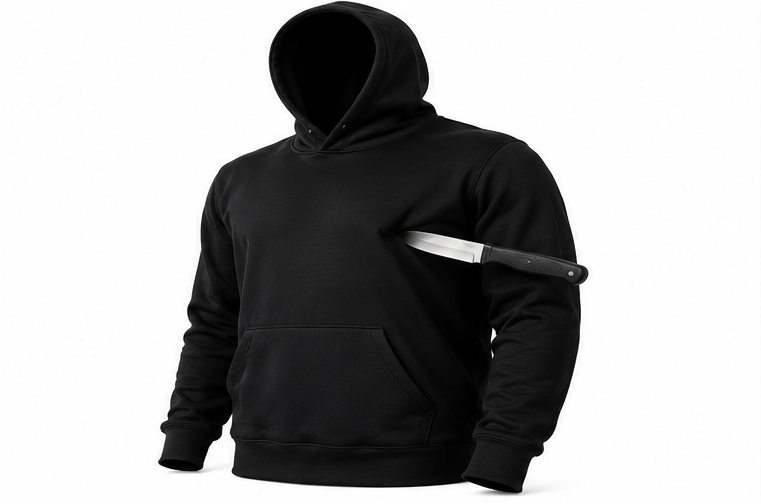
Stabapparel Stabproof Hoodie
VIII. Common Myths and Misconceptions About Stab-Proof Clothing
Despite the growing awareness and technological advancements in protective apparel, several myths and misconceptions persist regarding stab-proof clothing. These misunderstandings can lead to incorrect expectations, improper use, or even a reluctance to adopt these vital safety measures. Addressing these myths is crucial for informed decision-making.
A. Myth: It’s Bulletproof Too
This is perhaps the most prevalent and dangerous misconception. Stab-proof clothing is NOT bulletproof, and bulletproof vests are NOT inherently stab-proof. As discussed in Section IV.E, the mechanisms of protection against bullets and knives are fundamentally different. Bullet-resistant materials are designed to absorb and dissipate the kinetic energy of a high-velocity projectile, often by deforming and stretching. Stab-resistant materials, conversely, are engineered to resist the concentrated force of a sharp or pointed object, preventing it from piercing through. While some multi-threat vests exist, they are specifically designed and certified for both threats. Relying on a stab-proof garment for ballistic protection, or vice-versa, can have fatal consequences.
B. Myth: It’s Uncomfortable and Bulky
This myth stems from the early days of body armor, which was indeed often heavy, rigid, and cumbersome. However, modern stab-proof clothing, especially those utilizing advanced materials like UHMWPE, is designed with comfort and flexibility in mind. StabApparel’s products, for instance, are engineered to be lightweight, breathable, and conform to the body, making them virtually indistinguishable from regular clothing. The goal is to provide protection without hindering movement or causing discomfort, encouraging consistent wear.
C. Myth: It Makes You Invincible
No protective gear, including stab-proof clothing, offers 100% invincibility. While it significantly reduces the risk of serious injury or fatality from knife attacks, it cannot guarantee absolute protection in every scenario. Extreme force, specific attack angles, or attacks to unprotected areas (e.g., head, limbs) can still result in injury. Stab-proof clothing is a layer of defense, a tool to enhance safety, not an impenetrable shield. It is always best used in conjunction with situational awareness and de-escalation techniques.
D. Myth: Any Thick Material Offers Protection
Simply wearing multiple layers of thick clothing, such as heavy denim or leather, does not equate to stab protection. While these materials might offer minimal resistance against a superficial slash, they are largely ineffective against a determined stab attack from a sharp or pointed weapon. True stab-proof clothing relies on the unique molecular structure and weave of specialized fibers, not just bulk, to resist penetration. Uncertified
products claiming protection based on thickness alone are misleading and dangerous.
E. Myth: It’s Only for Military/Police
Historically, body armor was primarily associated with military and law enforcement personnel. However, the landscape of personal safety has changed dramatically. As highlighted in Section VII, a wide range of civilians and professionals, including delivery drivers, teachers, healthcare workers, and everyday citizens, face potential threats that warrant personal protection. Modern stab-proof clothing is designed to be discreet and comfortable, making it accessible and practical for anyone seeking an added layer of security in their daily lives, not just those in high-risk tactical roles.
F. Myth: It’s Illegal to Wear
In most countries and regions, it is perfectly legal for civilians to own and wear stab-proof clothing. Laws regarding body armor typically pertain to ballistic vests and may have restrictions for individuals with felony convictions. However, stab-proof garments, which are distinct from bulletproof vests, generally fall outside these specific regulations. It is always advisable to check local laws and regulations, but for the vast majority of individuals, wearing stab-proof clothing for personal protection is entirely legal and permissible. StabApparel encourages all customers to be aware of and comply with any applicable local statutes.
IX. Maintenance, Care, and Lifespan of Your Protective Gear
To ensure the longevity and continued effectiveness of your stab-proof clothing, proper maintenance and care are essential. Neglecting these aspects can compromise the integrity of the protective materials, potentially reducing their ability to offer the intended level of defense. Understanding how to care for your garment will maximize your investment and ensure your safety for years to come.
A. Washing and Cleaning Instructions (Specific to UHMWPE)
One of the significant advantages of modern UHMWPE-based stab-proof clothing is its relative ease of care compared to older, more delicate protective materials. However, specific guidelines must be followed to prevent damage to the high-performance fibers:
•Gentle Cycle and Cold Water: Always wash your UHMWPE garment on a gentle cycle using cold water. Hot water can potentially degrade the molecular structure of the fibers over time, reducing their strength.
•Mild Detergent: Use a mild, non-bleach detergent. Harsh chemicals, fabric softeners, or bleach can chemically damage the fibers, weakening their protective properties. Avoid detergents with enzymes or strong stain removers.
•Avoid Bleach and Fabric Softeners: Bleach is a powerful oxidizing agent that can severely compromise the strength of UHMWPE fibers. Fabric softeners can leave residues that may interfere with the fiber’s ability to move and dissipate energy effectively.
•Air Dry Only: Never put your stab-proof clothing in a tumble dryer. The high heat from dryers can cause irreversible damage to UHMWPE, leading to shrinkage and a significant loss of protective capability. Always air dry the garment flat or hang it in a shaded area away from direct sunlight. Ensure it is completely dry before storing.
•Spot Cleaning: For minor stains, spot clean with a damp cloth and mild soap. Avoid excessive scrubbing or harsh chemicals.
Always refer to the specific care label provided with your StabApparel product, as instructions may vary slightly depending on the garment’s construction and any blended materials.
B. Storage Recommendations
Proper storage is crucial for maintaining the shape and protective qualities of your stab-proof clothing:
•Flat or Hung: Store garments either folded flat in a drawer or hung on a wide, padded hanger. Avoid tightly folding or creasing the protective panels, as prolonged pressure on specific points could potentially weaken the fibers over time.
•Cool, Dry Place: Store in a cool, dry environment away from direct sunlight and extreme temperatures. UV radiation can degrade many synthetic fibers, and excessive heat can affect UHMWPE.
•Away from Chemicals: Keep your protective clothing away from harsh chemicals, solvents, and petroleum-based products, which can damage the fabric.
C. Inspecting for Damage
Regularly inspect your stab-proof clothing for any signs of wear, tear, or damage. This includes:
•Visible Cuts or Punctures: Even minor damage to the outer fabric could indicate a compromise to the protective layers beneath. If you suspect the garment has been subjected to an attack, it should be professionally inspected or replaced.
•Fraying or Thinning: Check for areas where the fabric appears frayed, thinned, or worn out, especially at seams or high-stress points.
•Deformation: Look for any permanent deformation or hardening of the protective panels, which could indicate material degradation.
If you notice any significant damage, it is recommended to replace the garment or consult with StabApparel’s customer service for advice.
D. Understanding Product Lifespan and Replacement
Like all protective gear, stab-proof clothing has a finite lifespan. The protective properties of the materials can degrade over time due to environmental exposure, wear and tear, and repeated washing. While the exact lifespan can vary based on usage and care, manufacturers typically provide a recommended service life.
•General Guideline: Many high-performance protective garments have a recommended lifespan of 5 to 10 years, even with proper care and infrequent use. This is because the molecular structure of the fibers can slowly degrade over time, even without visible damage.
•Usage-Based Replacement: If the garment is used frequently in high-stress environments or has been subjected to an attack, its lifespan may be significantly shorter. Any garment that has been compromised in an incident should be immediately retired and replaced.
•StabApparel’s Commitment: StabApparel designs its products for durability and provides clear guidance on expected lifespan and replacement recommendations to ensure continuous, reliable protection.
E. Warranty and Guarantees
Always check the warranty and guarantee information provided by the manufacturer. A reputable brand like StabApparel will stand behind the quality and performance of its products, offering warranties against manufacturing defects and providing clear policies on returns and replacements. This provides an additional layer of assurance for your investment in personal safety.
X. Why Choose StabApparel: Our Commitment to Your Safety
In a market filled with various protective gear options, StabApparel distinguishes itself through a steadfast commitment to innovation, quality, and customer-centric design. Our brand is built on the principle that personal safety should be accessible, comfortable, and seamlessly integrated into everyday life. When you choose StabApparel, you’re not just buying a product; you’re investing in a philosophy of discreet, reliable protection.
A. Our Mission and Values
StabApparel’s mission is to empower individuals to live and work with confidence by providing advanced, discreet stab-proof clothing. Our core values revolve around:
•Safety First: Prioritizing the highest standards of protection and reliability in every garment we produce.
•Innovation: Continuously researching and integrating cutting-edge material science and design techniques.
•Discretion: Ensuring our products offer effective protection without compromising style or drawing unwanted attention.
•Comfort: Designing garments that are comfortable for all-day wear, encouraging consistent use.
•Accessibility: Making high-quality personal protection available to a broad audience, from professionals to everyday civilians.
B. Advanced UHMWPE Technology
At the heart of StabApparel’s product line is our strategic utilization of Ultra-High Molecular Weight Polyethylene (UHMWPE) fibers. This advanced material is chosen for its exceptional strength-to-weight ratio, superior energy absorption capabilities, and inherent resistance to moisture and chemicals. By leveraging UHMWPE, we create garments that are:
•Lightweight: Minimizing bulk and maximizing comfort.
•Flexible: Allowing for unrestricted movement and a natural feel.
•Highly Protective: Engineered to resist penetration from knives and spikes, meeting stringent safety standards.
Our expertise in working with UHMWPE allows us to craft protective layers that are both incredibly effective and remarkably thin, setting our products apart from traditional, bulkier alternatives.
C. Focus on Discreet, Everyday Wear
Unlike overt body armor, StabApparel specializes in protective clothing that is virtually indistinguishable from regular apparel. Our design team meticulously focuses on creating garments that blend seamlessly into your wardrobe, whether it’s a casual T-shirt, a professional polo, or a stylish hoodie. This discreet approach ensures that you can maintain your personal safety without sacrificing your appearance or attracting unwanted attention. We believe that true protection is that which you can wear confidently, every single day.
D. Rigorous Testing and Quality Control
StabApparel is committed to the highest standards of quality and reliability. All our products undergo rigorous testing to ensure they meet and often exceed recognized international standards, such as NIJ Standard 0115.00 Level 1. Our quality control processes are meticulous, from the sourcing of raw materials to the final stitching of each garment. This dedication to excellence ensures that every StabApparel product you purchase provides the dependable protection you expect and deserve.
E. Competitive Pricing and Global Shipping
We believe that personal safety should not be a luxury. StabApparel strives to offer competitive pricing without compromising on the quality or effectiveness of our protective gear. Furthermore, we provide global shipping, making our advanced stab-proof solutions accessible to individuals worldwide. Our efficient logistics ensure that your order reaches you promptly and securely, no matter where you are.
F. Customer Testimonials and Reviews
Our commitment to safety and quality is reflected in the positive feedback from our growing community of customers. From security professionals to concerned citizens, individuals who have experienced the peace of mind and protection offered by StabApparel products consistently share their satisfaction. These testimonials underscore the real-world impact of our discreet, effective protective clothing.
G. Our Product Range Highlights
StabApparel’s diverse product range is designed to cater to various needs and preferences, all built upon our core principles of discreet protection and advanced technology:
•Stab-Proof T-Shirts: The ultimate in concealed protection, perfect for everyday wear under any outfit.
•Stab-Proof Polo Shirts: Combining professional aesthetics with essential safety for work or casual settings.
•Stab-Proof Hoodies & Jackets: Offering broader coverage and versatile style for various environments.
•Concealed Body Armour Vests: For those requiring focused, high-level torso protection that remains hidden.
Each product is a testament to our dedication to providing innovative, comfortable, and reliable stab-proof solutions for the modern world.

Zombie-Knife
XI. Frequently Asked Questions (FAQ)
This section addresses common questions about stab-proof clothing, providing clear and concise answers to help you make informed decisions. These FAQs are designed to target featured snippets and AI Overviews in search results, offering quick and authoritative information.
A. What is the difference between stab-proof and slash-proof?
Stab-proof clothing is designed to resist penetration from pointed objects (like knives or spikes) that are thrust directly into the body. It focuses on preventing deep punctures. Slash-proof clothing, on the other hand, is designed to resist cuts from bladed objects drawn across the skin. While many stab-proof materials also offer significant slash resistance, the primary engineering focus for each is distinct. StabApparel products are engineered for stab resistance but also provide robust slash protection.
B. Is stab-proof clothing truly 100% effective?
No, no protective gear can offer 100% invincibility. Stab-proof clothing significantly reduces the risk of injury or fatality from knife and spike attacks by resisting penetration. However, extreme force, specific attack angles, or attacks to unprotected areas can still cause injury. It is a vital layer of defense, not an absolute guarantee against all harm.
C. Is it legal to wear stab-proof clothing?
In most countries and regions, it is legal for civilians to own and wear stab-proof clothing for personal protection. Laws regarding body armor typically pertain to ballistic (bulletproof) vests and may have restrictions for individuals with felony convictions. Stab-proof garments generally fall outside these specific regulations. Always check your local laws for specific regulations in your area.
D. How do I choose the right size?
Choosing the right size is crucial for both comfort and effective protection. Stab-proof clothing should fit snugly but not restrict movement. Refer to StabApparel’s detailed sizing charts, which typically include measurements for chest, waist, and length. If you are between sizes, consider your preference for a tighter or looser fit, keeping in mind that a snug fit ensures the protective material stays in place.
E. How long does stab-proof clothing last?
The lifespan of stab-proof clothing varies depending on the material, frequency of use, and proper care. High-quality UHMWPE garments, with proper maintenance, can have a recommended service life of 5 to 10 years. However, any garment that has been subjected to an attack or shows signs of significant wear, tear, or degradation should be replaced immediately to ensure continued protection.
F. Can stab-proof clothing stop ice picks or needles?
Stab-proof clothing certified to standards like NIJ 0115.00 is specifically tested against both knives and spikes (which simulate ice picks). Therefore, certified garments are designed to offer protection against ice picks. Protection against hypodermic needles is a more specialized threat, requiring specific anti-needle materials, which may or may not be integrated into a general stab-proof garment. Always check product specifications for anti-needle resistance if this is a concern.
G. What is UHMWPE, and why is it used?
UHMWPE stands for Ultra-High Molecular Weight Polyethylene. It is a synthetic fiber known for its exceptionally long molecular chains, which give it incredible tensile strength – stronger than steel on a weight-for-weight basis. It is used in stab-proof clothing because it is lightweight, flexible, and highly effective at absorbing and dissipating the energy of a stabbing impact, preventing penetration. StabApparel utilizes advanced UHMWPE technology for superior, discreet protection.
H. Can I wash my stab-proof clothing in a machine?
Yes, most UHMWPE-based stab-proof clothing can be machine washed. However, it is crucial to use a gentle cycle with cold water and a mild, non-bleach detergent. Avoid fabric softeners and never tumble dry, as high heat can damage the protective fibers. Always air dry your garment and refer to the specific care instructions on the product label.
I. Is StabApparel clothing comfortable for all-day wear?
Yes, StabApparel designs its clothing with a strong emphasis on comfort for all-day wear. Our garments utilize lightweight and flexible UHMWPE materials that conform to the body, allowing for unrestricted movement and breathability. The discreet design ensures that protection is integrated seamlessly into your daily life without causing discomfort or bulk.
J. What protection level do I need?
The protection level you need depends on your individual risk assessment and the specific threats you anticipate. NIJ Level 1 offers discreet protection for common knife threats and is suitable for everyday civilian wear. Higher levels (2 or 3) are typically for professionals facing more severe or frequent threats. Consider your environment, profession, and desire for concealment when making your choice. StabApparel products generally meet or exceed NIJ Level 1 for discreet, everyday protection.
XII. Stab-proof clothing: Your Personal Safety, Our Priority
In an increasingly complex world, the decision to invest in personal protection is a proactive step towards safeguarding your well-being and peace of mind. Stab-proof clothing, once a niche item for specialized professionals, has evolved into an accessible and discreet solution for anyone seeking an unseen shield against the threat of knife and spike violence. This comprehensive guide has illuminated the critical aspects of this innovative apparel, from the science behind its protective capabilities to the rigorous standards that ensure its effectiveness.
We have explored how advanced materials like Ultra-High Molecular Weight Polyethylene (UHMWPE) fibers revolutionize personal safety, offering lightweight, flexible, and highly resistant barriers against penetration. The distinction between stab and ballistic protection, the importance of independent certification like NIJ Standard 0115.00, and the diverse range of product types available all underscore the sophistication and necessity of modern stab-proof clothing. Furthermore, we’ve debunked common myths, provided essential care instructions, and highlighted the myriad professions and individuals who benefit from this vital layer of defense.
At StabApparel, your personal safety is not just a business; it’s our unwavering priority. We are dedicated to pushing the boundaries of protective apparel, combining cutting-edge UHMWPE technology with thoughtful, discreet design. Our commitment to quality, comfort, and accessibility ensures that you can face your day with confidence, knowing you are equipped with reliable, certified protection that blends seamlessly into your lifestyle. We believe that everyone deserves to feel safe, and our mission is to provide the tools to make that a reality.
Stab-proof clothing Buying Advice and Empowerment
When considering stab-proof clothing, remember these key takeaways:
1.Assess Your Risk: Understand your environment and potential threats to choose the appropriate protection level.
2.Prioritize Certification: Always opt for products tested and certified to recognized standards like NIJ 0115.00.
3.Consider Comfort and Discretion: For everyday wear, lightweight, flexible, and concealable options are paramount for consistent use.
4.Invest in Quality: Your safety is worth investing in high-quality, durable materials that will maintain their protective properties.
5.Maintain Properly: Follow care instructions to extend the lifespan and effectiveness of your garment.
Empower yourself with the knowledge and the right gear. Choose StabApparel for an unseen shield that offers peace of mind and robust protection, allowing you to navigate the world with greater security and confidence.
Explore StabApparel’s Full Collection of Stab-Proof Clothing Today!
Ready to enhance your personal safety with discreet, high-performance stab-proof clothing? Visit StabApparel.com now to browse our full range of T-shirts, polo shirts, hoodies, and concealed vests. Discover the perfect blend of protection, comfort, and style designed for your everyday life. Don’t compromise on your safety – equip yourself with StabApparel.