
Why a Lightweight Stab-Resistant T-Shirt Belongs in Your Travel Kit
The best places to travel for young adults in 2026. Plus, learn how a lightweight stab-resistant t-shirt fits into a smart travel safety kit. Get 15% off.
Best 10 Cities for Young Travelers (2027) & Stab proof – Stab Resistant T-Shirt Guide
Introduction
The best destinations for young travelers in 2027 balance affordability, social connection, and safety. This guide covers ten cities and countries across four continents, from Lisbon’s affordable surf scene to Tokyo’s unmatched solo-travel infrastructure, with practical budget breakdowns and honest safety context for each. You will also find a balanced look at how a lightweight stab-resistant t-shirt fits into a preparedness-minded travel kit—not as a replacement for awareness and planning, but as one optional layer for travelers who want discreet peace of mind. StabApparel offers 15% off with code BLACKFRIDAY15 on their stab-resistant t-shirts, jumpers, and vests . Select purchases may include free stab-resistant gloves.


Stabproof Polo Shirt and Stabproof T -Shirt
Quick Answer / Summary Table
The best places to visit and travel as a young adult male or female in 2027 are Lisbon (best overall), Tokyo (safest solo infrastructure), Mexico City (best food and culture value), and Bangkok (best budget nightlife). These destinations combine strong hostel and co-working infrastructure, affordable daily costs, and State Department advisory levels of 1 or 2 as of November/December 2026 .
| Destination | Best For | Typical Daily Budget (USD) | Ideal Season | Vibe |
|---|---|---|---|---|
| Lisbon, Portugal | Best Overall | $70–$110 | Mar–May; Sep–Oct | Sunny, social, affordable |
| Tokyo, Japan | Best for Solo Travelers | $90–$140 | Mar–May; Oct–Nov | Safe, efficient, immersive |
| Mexico City, Mexico | Best Food & Culture | $50–$85 | Mar–May | Creative, bustling, cheap |
| Barcelona, Spain | Best Nightlife | $80–$120 | May–Jun; Sep | Beach + city + clubs |
| Bangkok, Thailand | Best Budget | $35–$60 | Nov–Feb | Chaotic, cheap, delicious |
| Cape Town, South Africa | Best Adventure | $60–$100 | Nov–Mar | Outdoorsy, scenic, diverse |
| Medellín, Colombia | Best Digital Nomad Hub | $45–$75 | Dec–Mar | Spring-like, affordable, social |
| Prague, Czechia | Best Architecture | $55–$90 | Apr–May; Sep | Storybook, walkable, beer |
| Bali, Indonesia | Best Wellness | $40–$70 | Apr–Oct | Tropical, spiritual, cheap |
| Reykjavík, Iceland | Best Nature | $150–$220 | Jun–Aug | Otherworldly, safe, expensive |
Best Overall: Lisbon. It wins on the combination young travelers actually care about: $70–$110 per day, a Level 1 State Department advisory, direct budget flights from the US East Coast, and a social hostel culture that makes meeting people easy .
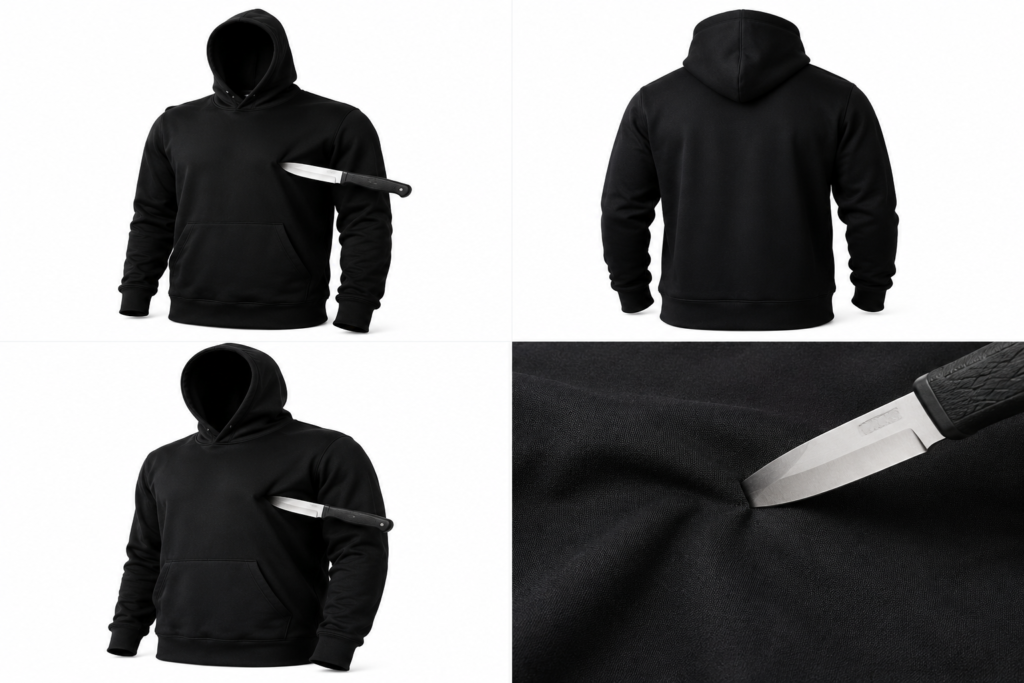
Stabproof Hoodie
The Best 10 Cities and Countries for Young Travelers
The following ten destinations were selected for their balance of affordability, social infrastructure, and practical safety for US-based travelers aged 18–35. Each entry includes a verified State Department advisory level as of November 2026, realistic daily costs, and a packing note relevant to lightweight travel layers . None of these destinations require protective clothing. A lightweight stab-resistant clothing layer is presented as an optional preparedness item, not a necessity.
1. Lisbon, Portugal — Best Overall for Young Travelers
Lisbon earns the top spot for 2026 because it delivers Western European infrastructure at two-thirds the cost of Paris or Amsterdam, with a State Department Level 1 advisory. US citizens face no unusual travel restrictions, and the city’s hostel and café culture is built for the 18–35 demographic .
Why it appeals to young travelers: Lisbon combines affordable surf lessons in Cascais, a legendary nightlife district in Bairro Alto, and a digital nomad community concentrated in Cais do Sodré. Hostels like Home Lisbon and Yes! Hostel run nightly group dinners, which makes solo travel socially frictionless.
Top experiences: Tram 28 through Alfama (go before 8 a.m. to avoid crowds), day trips to Sintra’s Pena Palace, and sunset drinks at Park Bar overlooking the river. Surfers should base themselves in Costa da Caparica for $25–$40 lessons.
Nightlife and social scene: Bairro Alto’s streets function as an open-air bar crawl until 2 a.m.; Pink Street clubs pick up after. Cover charges are rare; expect $5–$8 for a beer and $10–$12 for a cocktail.
Budget: $70–$110 per day. Hostel dorms $25–$40, pastel de nata and coffee $3, a full dinner with wine $15–$20.
Best time to visit: March–May and September–October. July–August is crowded and 10–15°F hotter.
Getting around: Lisbon’s metro and tram network is efficient; a Viva Viagem card costs €0.50 and single rides are €1.80. Uber and Bolt are widely available and cheap ($5–$10 for most central trips).
General safety awareness: Lisbon is generally safe for visitors. Pickpocketing on Tram 28 and in Baixa is the most common issue; keep phones zipped and avoid flashing jewelry. The State Department maintains a Level 1: Exercise Normal Precautions advisory for Portugal .
Packing note: Lisbon’s spring and fall evenings can be cool near the water. A stab-resistant jumper or a lightweight hoodie over a t-shirt handles the temperature swing without bulk.
2. Tokyo, Japan — Best for Solo Travelers
Tokyo is the safest major city in this guide for solo travelers, with a State Department Level 1 advisory and virtually no street crime targeting tourists. The city’s density can feel overwhelming, but its transit, food, and accommodation systems are the most solo-friendly in the world .
Why it appeals to young travelers: Tokyo offers capsule hotels for $30–$50, 24-hour convenience stores, and a culture of solo dining that removes the awkwardness of eating alone. The city’s neighborhoods (Shibuya, Shinjuku, Shimokitazawa) each function as self-contained ecosystems.
Top experiences: TeamLab Planets, the Tsukiji Outer Market at 7 a.m., and a day trip to Kamakura’s temples. Budget travelers should buy a 24-hour metro pass ($5) and avoid taxis, which are expensive.
Nightlife and social scene: Golden Gai’s tiny bars in Shinjuku seat six to eight people and encourage conversation. Shibuya’s clubs (Womb, Contact) draw international crowds. Expect $8–$12 for a drink; many clubs charge $15–$25 cover.
Budget: $90–$140 per day. Capsule hotels $30–$50, ramen $7–$10, convenience store meals $5–$8. Tokyo is not a budget destination, but the quality-to-cost ratio is high.
Best time to visit: March–May (cherry blossoms) and October–November (fall foliage). Avoid Golden Week (late April–early May) when domestic travel peaks.
Getting around: The Yamanote Line loops through major neighborhoods; a Suica card makes transfers seamless. Google Maps transit directions are accurate to the minute.
General safety awareness: Tokyo’s primary traveler risk is getting lost in Shinjuku Station. Violent crime is extraordinarily rare. The State Department lists Japan at Level 1: Exercise Normal Precautions .
Packing note: Tokyo’s summers are humid (85–90°F with high humidity). A lightweight stab-resistant t-shirt in a breathable fabric layers under a normal button-down without adding noticeable heat retention.
3. Mexico City, Mexico — Best Food and Culture Value
Mexico City offers the strongest food-and-culture experience per dollar of any major city in the Americas, with a State Department Level 2 advisory that reflects regional variation rather than blanket risk. The advisory specifically notes that travelers should exercise increased caution due to crime, but tourist areas like Roma, Condesa, and Coyoacán operate with normal precautions .
Why it appeals to young travelers: CDMX has a thriving creative class, $2 tacos al pastor, and a hostel scene concentrated in Roma Norte. The city’s museums (Anthropology, Frida Kahlo’s Casa Azul) cost under $10 each.
Top experiences: Eat at a market (Mercado de Medellín in Roma), take a boat through Xochimilco’s canals, and climb the Pyramid of the Sun at Teotihuacán ($5 entry, $15 bus round-trip).
Nightlife and social scene: Roma and Condesa have cocktail bars ($8–$12) and mezcalerías. The city’s LGBTQ+ scene in Zona Rosa is welcoming. Nightlife runs late—dinner at 10 p.m. is normal.
Budget: $50–$85 per day. Hostels $15–$30, street food $3–$5, museum entries $5–$10.
Best time to visit: March–May (dry, warm). June–September is rainy season; afternoon downpours are common but brief.
Getting around: The metro costs $0.25 per ride and is efficient but crowded at rush hour. Uber is cheap ($3–$8) and safer for late nights. Use ride apps rather than hailing street taxis.
General safety awareness: Stick to Roma, Condesa, Polanco, and Coyoacán, especially at night. The State Department maintains a Level 2: Exercise Increased Caution advisory for Mexico overall, citing crime; the advisory does not single out tourist zones as high-risk .
Packing note: CDMX’s altitude (7,300 feet) means evenings can be cool even in summer. A stab-resistant hoodie or jumper layers well over a t-shirt for the temperature drop after sunset.
4. Barcelona, Spain — Best Nightlife
Barcelona is the top pick for young travelers prioritizing nightlife, with clubs that stay open until 6 a.m. and a State Department Level 1 advisory. The city combines beach access with an urban grid that makes getting home at 3 a.m. straightforward .
Why it appeals to young travelers: Barcelona’s Gothic Quarter and El Born neighborhoods are dense with tapas bars, hostels, and street life. The city’s beach (Barceloneta) is a 15-minute walk from the nightlife district.
Top experiences: Sagrada Família (book tickets weeks ahead), Park Güell, and a day trip to Montserrat. The Picasso Museum is free on Thursday evenings.
Nightlife and social scene: Razzmatazz is a five-room club that stays packed until sunrise. El Born’s cocktail bars are more relaxed; Gothic Quarter’s plaças fill with people drinking outside. Expect $10–$15 for a mixed drink; club entry $15–$25.
Budget: $80–$120 per day. Hostels $30–$45, menu del día (three courses + wine) $12–$15, metro single ride $2.50.
Best time to visit: May–June and September. August is hot and many local businesses close.
Getting around: The metro is safe, clean, and runs until 2 a.m. (4 a.m. on Saturdays). Night buses cover the gap.
General safety awareness: Pickpocketing is the dominant risk in Barcelona, especially on Las Ramblas and the metro. The State Department lists Spain at Level 1: Exercise Normal Precautions .
Packing note: Barcelona’s summer heat (85–90°F) makes breathability essential. A lightweight stab-resistant t-shirt in a moisture-wicking fabric works as a base layer for long days and late nights.
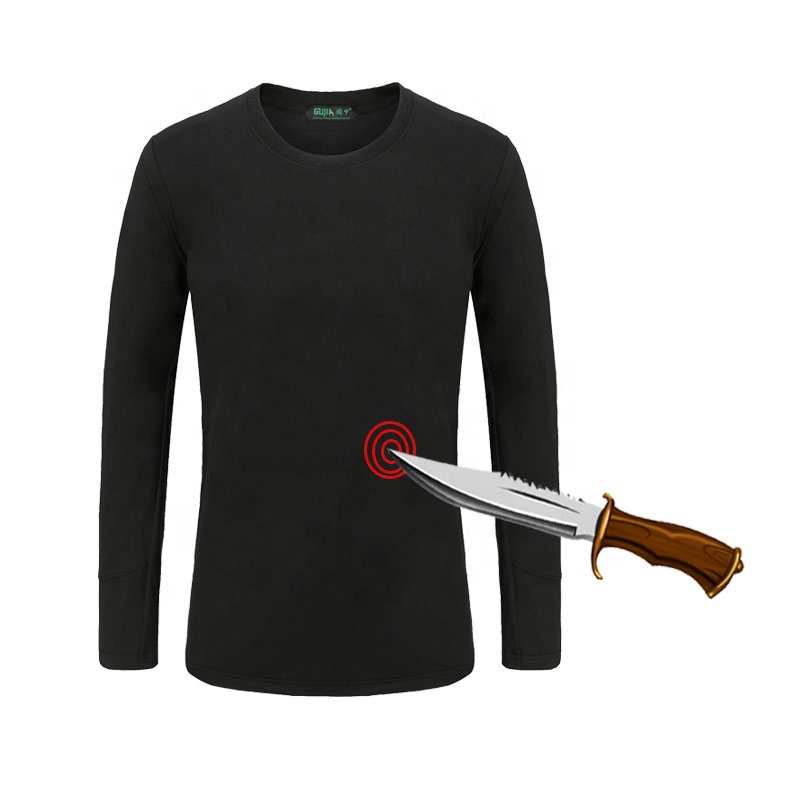
5. Bangkok, Thailand — Best Budget Destination
**Bangkok is the cheapest destination in this guide for US travelers, with a State Department Level 1 advisory and street food that costs less than $3 per meal.** The city’s budget infrastructure—$10 hostels, $1.50 boat rides, $5 massages—makes it ideal for travelers stretching their money .
Why it appeals to young travelers: Bangkok’s Khao San Road hostel cluster is the classic Southeast Asia starting point. The city is a hub for onward travel to Chiang Mai, the islands, and Cambodia.
Top experiences: Wat Pho’s Reclining Buddha ($6), Chatuchak Weekend Market (27,000 stalls), and a long-tail boat through the Thonburi canals ($15–$20 per boat).
Nightlife and social scene: Khao San Road is backpacker chaos; Silom’s Soi 4 and Sukhumvit’s rooftop bars draw a more mixed crowd. Beer at a street bar costs $2–$3; cocktails $5–$8.
Budget: $35–$60 per day. Hostels $10–$20, pad thai $2–$3, BTS Skytrain ride $0.50–$1.
Best time to visit: November–February (cool and dry). March–May is hot (95–100°F); June–October is rainy season.
Getting around: The BTS Skytrain and MRT subway are air-conditioned and cheap. Grab (Southeast Asia’s Uber) is reliable and costs $3–$7 for most trips.
General safety awareness: Bangkok is generally safe for tourists. Scams (gem shops, tuk-tuk “tours”) are more common than violent crime. The State Department lists Thailand at Level 1: Exercise Normal Precautions .
Packing note: Bangkok’s heat and humidity are intense. A stab-resistant t-shirt made from breathable UHMWPE or aramid blends adds minimal heat load compared to a standard cotton tee.
6. Cape Town, South Africa — Best Adventure Destination
Cape Town offers the best outdoor adventure value for young travelers, with hiking, surfing, and wine country within an hour of the city center and a State Department Level 2 advisory. The advisory reflects crime concerns in specific areas, but the city’s tourist corridors and outdoor attractions operate with normal precautions .
Why it appeals to young travelers: Cape Town’s backpacker scene in Observatory and Green Point is affordable and social. The city combines Table Mountain hiking with $30 surf lessons and $10 wine tastings in Stellenbosch.
Top experiences: Hike Lion’s Head at sunrise (free), take the cable car down Table Mountain ($25 one-way), and visit Boulders Beach’s penguins ($10).
Nightlife and social scene: Long Street’s bars and clubs are the backpacker default. Camps Bay’s beach bars are pricier but scenic. Expect $3–$5 for a beer, $8–$12 for cocktails.
Budget: $60–$100 per day. Hostels $20–$35, restaurant meal $10–$15, Uber across the city $8–$15.
Best time to visit: November–March (Southern Hemisphere summer). June–August is rainy and cold.
Getting around: Uber is the safest and most reliable transport for tourists; avoid minibus taxis unless you understand the routes. Rental cars are affordable ($25–$40/day) for wine country day trips.
General safety awareness: The State Department maintains a Level 2: Exercise Increased Caution advisory for South Africa, citing crime. In Cape Town, avoid walking alone at night in the city center and do not hike alone. Use ride apps after dark .
Packing note: Cape Town’s summer evenings can be windy and cool. A stab-resistant jumper layers under a windbreaker for sunset hikes and outdoor dinners.
7. Medellín, Colombia — Best Digital Nomad Hub
Medellín is the top choice for young remote workers, with $45–$75 daily budgets, spring-like weather year-round, and a State Department Level 2 advisory that reflects specific regional risks. The city’s El Poblado and Laureles neighborhoods have extensive co-working and café infrastructure .
Why it appeals to young travelers: Medellín’s digital nomad community is concentrated and social, with weekly meetups and hostel-café hybrids. The city’s metro system is clean and cheap, and day trips to Guatapé ($25–$35) are easy to arrange.
Top experiences: Comuna 13’s street art and escalators (go with a local guide), Parque Arví’s cable car, and a day trip to Guatapé’s El Peñol rock.
Nightlife and social scene: El Poblado’s Parque Lleras is the main nightlife zone; Laureles is more local and relaxed. Expect $4–$6 for a beer, $8–$10 for cocktails. Clubs run until 4 a.m.
Budget: $45–$75 per day. Hostels $15–$25, menu del día $5–$7, metro ride $0.70.
Best time to visit: December–March (dry season). Medellín’s weather is consistent year-round (75–80°F), so any month works.
Getting around: The metro is safe and efficient. Uber operates widely and costs $3–$6 for most trips. Avoid hailing taxis on the street at night.
General safety awareness: The State Department lists Colombia at Level 2: Exercise Increased Caution due to crime and terrorism. In Medellín, stick to El Poblado and Laureles at night, avoid using your phone openly on the street, and do not resist if robbed .
Packing note: Medellín’s altitude and “eternal spring” climate mean light layers work year-round. A stab-resistant t-shirt under a normal shirt provides discreet coverage without overheating.
8. Prague, Czechia — Best Architecture and Walkability
Prague offers the most walkable major-city experience in Central Europe, with a State Department Level 1 advisory and daily budgets of $55–$90. The city’s compact historic center means you can cover major sights on foot without paying for transit .
Why it appeals to young travelers: Prague’s hostel scene is mature and social, and the city’s beer culture ($1.50–$2.50 per half-liter) is legendary. The city is a gateway to Vienna, Berlin, and Budapest.
Top experiences: Charles Bridge at sunrise, Prague Castle, and the Lennon Wall. The city’s beer gardens (Letná, Riegrovy Sady) are perfect for cheap afternoons.
Nightlife and social scene: Prague’s clubs are concentrated in Vinohrady and the Old Town. Cross Club is a labyrinthine venue with cheap drinks; Karlovy Lázně is the tourist-heavy five-story club. Expect $5–$8 for cocktails.
Budget: $55–$90 per day. Hostels $20–$35, goulash and dumplings $8–$12, beer $1.50–$2.50.
Best time to visit: April–May and September–October. July–August is crowded and hotel prices spike.
Getting around: Prague’s historic center is entirely walkable. The metro and trams are efficient for longer trips; a 30-minute ticket costs $1.20.
General safety awareness: Prague is generally safe. Pickpocketing on Charles Bridge and in the metro is the main risk. The State Department lists Czechia at Level 1: Exercise Normal Precautions .
Packing note: Prague’s spring and fall are cool (45–60°F). A stab-resistant hoodie or jumper works as a standalone layer for walking the city.
9. Bali, Indonesia — Best Wellness and Surf
Bali is the best destination for young travelers seeking wellness, surf, and nature at low cost, with a State Department Level 2 advisory that reflects regional variation across Indonesia. The tourist zones of Canggu, Ubud, and Uluwatu operate with normal precautions for visitors .
Why it appeals to young travelers: Canggu’s café-and-surf culture draws a young international crowd, while Ubud offers yoga retreats at $30–$50 per day all-in. The island’s scooter rental ($5–$7/day) makes exploration cheap.
Top experiences: Surf lessons in Canggu ($25–$35), the Tegallalang rice terraces, and a sunrise hike up Mount Batur ($35–$45 with guide).
Nightlife and social scene: Canggu’s beach clubs (La Brisa, Finns) are the social hubs. Ubud is quieter, with acoustic bars and early nights. Expect $3–$5 for a beer, $8–$12 for cocktails.
Budget: $40–$70 per day. Hostels $10–$20, local warung meals $2–$4, scooter rental $5–$7.
Best time to visit: April–October (dry season). November–March is rainy but less crowded.
Getting around: Scooters are the default for independent travel; ride apps (Gojek, Grab) work for cars and bikes. Traffic in Canggu can be brutal—plan accordingly.
General safety awareness: The State Department lists Indonesia at Level 2: Exercise Increased Caution due to terrorism and natural disasters. In Bali, the main risks are scooter accidents and petty theft. Wear a helmet, avoid riding at night, and watch for “scooter scams” where rental companies claim pre-existing damage .
Packing note: Bali’s humidity is relentless. A lightweight stab-resistant t-shirt in a quick-dry fabric is the most practical protective layer for this climate.
10. Reykjavík, Iceland — Best Nature and Safety
Reykjavík is the safest and most nature-focused destination in this guide, with a State Department Level 1 advisory and unmatched access to volcanic landscapes. It is also the most expensive, with daily budgets of $150–$220 .
Why it appeals to young travelers: Iceland’s ring road and Golden Circle are bucket-list road trips. Reykjavík’s hostel scene is small but social, and the city’s music and bar culture is concentrated downtown.
Top experiences: The Blue Lagoon ($70+), a Golden Circle day tour ($60–$90), and northern lights hunting in winter (free if you drive yourself).
Nightlife and social scene: Reykjavík’s bars on Laugavegur fill up on weekends. The city’s music scene is disproportionately influential. Expect $10–$14 for a beer.
Budget: $150–$220 per day. Hostels $40–$60, restaurant meal $25–$35, rental car $60–$100/day.
Best time to visit: June–August for midnight sun and hiking; September–March for northern lights (but expect cold and dark).
Getting around: A rental car is essential for exploring beyond Reykjavík. Within the city, walking and buses suffice. Do not hitchhike; weather can turn dangerous quickly.
General safety awareness: Iceland has extremely low crime. The real risks are natural: unpredictable weather, volcanic activity, and road conditions. Check road.is and vedur.is before any drive. The State Department lists Iceland at Level 1: Exercise Normal Precautions .
Packing note: Iceland’s weather changes hourly. A stab-resistant jumper serves as a mid-layer under a waterproof shell, adding warmth without bulk.
Why a Lightweight, Comfortable Stab-Resistant T-Shirt Belongs in Your Travel Kit
A lightweight stab-resistant t-shirt is an optional preparedness layer that provides discreet, rated protection against certain edged-blade threats while adding minimal weight and heat to your pack. It is not a substitute for situational awareness, travel insurance, or avoiding high-risk areas. It is a personal choice for travelers who want one more layer of control over their safety.
Peace of mind in unfamiliar environments. Travel anxiety often comes from the unknown—not knowing a neighborhood, not speaking the language, not understanding local norms. For some travelers, wearing a concealable body armor for travel layer reduces that background stress and allows them to engage more fully with a destination.
Discreet everyday wear. Modern stab-resistant t-shirts are designed to look like normal apparel. They fit under a button-down, a sweater, or a jacket without visible bulk. This matters for travelers who do not want to advertise that they are wearing protective gear.
Weight and packability. A quality stab-resistant t-shirt weighs roughly 1–2 pounds [VERIFY: exact StabApparel weights]. That is less than a paperback book. It packs flat and does not require special care beyond normal washing.
Comfort in heat. The materials used—UHMWPE (ultra-high-molecular-weight polyethylene) and aramid blends—are engineered to be breathable. They wick moisture and dry quickly. They are not as cool as a plain cotton tee, but the difference is manageable in most climates, especially when worn as a base layer .
Layering under normal clothing. A stab-resistant t-shirt functions as a base layer. A stab-resistant jumper or stab-resistant hoodie functions as a mid-layer in cooler climates. This modular approach lets travelers adapt to different destinations without buying separate gear for each trip.
What it does not do. A stab-resistant garment is not “stab-proof.” It is rated to resist penetration from specific threats under specific test conditions. It does not protect against every knife, every angle, or every attack style. It does not protect the head, neck, or limbs unless those areas are also covered. It is not bulletproof. It is one limited tool, not a guarantee of safety .
How Stab-Resistant Clothing Works & Protection Ratings
Stab-resistant clothing uses tightly woven or laminated high-performance fibers to absorb and disperse the energy of a blade, and protection levels are rated by standardized tests that measure penetration resistance under controlled conditions. Understanding what those ratings mean—and what they do not mean—is essential before buying.
Core materials. Three material families dominate stab-resistant apparel:
- Aramid fibers (Kevlar is the best-known brand): Strong, heat-resistant synthetic fibers. Aramid fabrics are flexible and relatively lightweight, but they are heavier than UHMWPE for equivalent protection.
- UHMWPE (ultra-high-molecular-weight polyethylene): Extremely long molecular chains create a material with very high impact strength at low weight. StabApparel uses UHMWPE composite materials . UHMWPE is lighter than aramid but degrades at lower temperatures.
- Laminates and composites: Multiple layers of fiber bonded together, sometimes with resin, to create a stiff but thin protective panel. Laminates offer high protection per unit of thickness but are less flexible than woven fabrics.
Edged-blade vs. spike protection. These are different threats with different test standards. An edged-blade test measures resistance to a sharp knife slicing or thrusting. A spike test measures resistance to a pointed instrument like an ice pick. Clothing rated for blade protection is not automatically rated for spike protection, and vice versa.
NIJ Standard-0115.00. This is the US National Institute of Justice standard for stab resistance of personal body armor . It defines three protection levels (Level 1, Level 2, Level 3) based on the energy of the test threat. Higher levels mean the armor resists a more energetic stab. The standard tests both blade and spike threats separately. Importantly, NIJ-0115.00 applies to body armor—typically vests—not to every t-shirt or jumper on the market. A garment marketed as “stab-resistant” may use the same materials without being NIJ-certified as a complete armor system. Check for specific test claims and certifications .
EN388 (European standard). Some clothing manufacturers cite EN388 ratings for cut, tear, and puncture resistance. The puncture resistance score (0–4) measures resistance to a standardized spike, not a knife blade . A high EN388 puncture score indicates good spike resistance but does not directly translate to NIJ stab levels.
What ratings mean in plain English. A “Level 2” stab rating means the garment resisted a test blade at a specific energy level under lab conditions. It does not mean the garment will stop any knife in any situation. The NIJ standard itself notes that knives vary widely in sharpness, point design, and attack angle, and that armor defeating the test blade may fail against a different knife .
Best Stab-Resistant T-Shirts, Jumpers, Gloves, and Vests for Travel
StabApparel offers a focused range of stab-resistant clothing designed for discreet everyday wear, including t-shirts, jumpers, hoodies, vests, and gloves. The brand cites EN388 testing for cut, tear, and puncture resistance and uses UHMWPE composite materials . All specific product names, prices, weights, and protection ratings below require verification against current StabApparel listings [VERIFY].
Stab-Resistant T-Shirt. The core product for warm-weather travel. Designed to be worn as a base layer under a normal shirt. Best use: Hot climates, urban travel, travelers who want protection without visible bulk. Protection: [VERIFY: NIJ or EN388 rating]. Weight: [VERIFY]. Price: [VERIFY].
Stab-Resistant Jumper. A heavier layer for cooler destinations. Can be worn as a standalone top in spring or fall, or as a mid-layer under a jacket. Best use: European shoulder seasons, Cape Town evenings, Reykjavík layering. Protection: [VERIFY]. Weight: [VERIFY]. Price: [VERIFY].
Stab-Resistant Hoodie. Combines the jumper’s coverage with a casual, youthful silhouette. The hood adds no protection to the head but makes the garment look like normal streetwear. Best use: Nightlife, casual wear, destinations where a jumper looks too formal. Protection: [VERIFY]. Weight: [VERIFY]. Price: [VERIFY].
Stab-Resistant Gloves. Hand protection for travelers who want coverage beyond the torso. StabApparel offers free stab-resistant gloves with select purchases [VERIFY: which purchases qualify and current terms]. Best use: Handling sharp objects, added hand coverage in crowded transit. Protection: [VERIFY]. Price: Free with qualifying purchase [VERIFY].
Stab-Resistant Vest. The most coverage in the lineup. Worn under clothing as a concealable layer. Best use: Travelers who prioritize maximum torso coverage, colder climates where layers are expected. Protection: [details on website
| Product | Type | Protection Rating | Weight | Comfort | Best Use | Price |
|---|---|---|---|---|---|---|
| Stab-Resistant T-Shirt | Base layer | [VERIFY] | [VERIFY] | High (breathable) | Hot climates, daily wear | [VERIFY] |
| Stab-Resistant Jumper | Mid-layer | [VERIFY] | [VERIFY] | Medium | Shoulder seasons, cool evenings | [VERIFY] |
| Stab-Resistant Hoodie | Casual layer | [VERIFY] | [VERIFY] | Medium | Nightlife, streetwear | [VERIFY] |
| Stab-Resistant Gloves | Accessory | [VERIFY] | Light | High | Hand coverage, free with purchase | Free [VERIFY] |
| Stab-Resistant Vest | Concealable vest | [VERIFY] | [VERIFY] | Medium-Low | Maximum coverage | [VERIFY] |
Verify means see website for updated information please
Travel Legalities: What You Need to Know Before You Fly
Rules on wearing, importing, and traveling with body armor and protective clothing vary significantly by country and by US state, and no single rule applies everywhere. What is legal in Texas may be restricted in New York; what clears TSA may be confiscated at a foreign customs checkpoint. This is not legal advice—verify with official sources before you travel.
US TSA rules. TSA generally permits body armor and protective vests in both carry-on and checked baggage at US airports. The final decision rests with the screening officer. Hard plates may trigger additional inspection. Remove any prohibited attachments (knives, tools) before screening . TSA does not publish a specific limit on how many protective garments a traveler can bring for personal use .
US state laws. Several US states have restrictions on body armor possession, particularly for individuals with felony convictions. New York, California, and Connecticut have specific statutes. If your itinerary includes domestic US travel, check the relevant state’s laws before packing a stab-resistant vest.
International customs. Many countries regulate the import of body armor and protective clothing. Some require permits; others prohibit civilian possession entirely. Do not assume that because an item is legal in the US, it is legal at your destination. Before traveling internationally with a stab-resistant garment, check the destination country’s customs regulations and consult the country’s embassy or consulate website.
Airline discretion. Airlines may impose their own rules beyond TSA guidance. Some international carriers have stricter policies on protective gear in the cabin. Check with your specific airline before flying.
Practical advice. If you plan to travel with a stab-resistant garment, carry documentation of purchase (a receipt or product description) to show that it is personal protective equipment, not tactical gear intended for other purposes. Pack it accessibly in case security wants to inspect it. And if a customs officer asks about it, answer directly and honestly.
Complete Young Traveler Safety Kit & Habits
A complete travel safety kit for young travelers combines insurance, documentation, awareness habits, and—optionally—a protective layer, with each component reinforcing the others. No single item guarantees safety. The goal is redundancy and preparedness.
Travel insurance. Non-negotiable for international travel. A basic policy covering medical evacuation and trip interruption costs $30–$80 for a two-week trip. Check that it covers the activities you plan (surfing, scootering, hiking).
Copies of documents. Store digital copies of your passport, visa, insurance policy, and emergency contacts in a password-protected cloud folder. Leave a physical copy with someone at home.
Money belt or hidden pouch. A money belt worn under clothing protects cash, cards, and a backup ID from pickpockets. Use it in crowded markets and on overnight trains.
Situational awareness. The most effective safety tool is attention. Keep your phone in your pocket when walking through unfamiliar areas. Know where you are going before you leave. Trust your instincts about people and places.
Nightlife safety. Go out with people you trust. Watch your drink being poured. Set a meeting point with friends in case you get separated. Have a plan for getting home that does not depend on a stranger.
Ride apps. Use Uber, Bolt, Grab, or the local equivalent instead of hailing street taxis, especially at night. Share your ride status with a friend. Verify the license plate and driver name before getting in.
First-aid basics. A small kit with bandages, antiseptic wipes, pain relievers, and any personal medications. Know the local emergency number (it is not 911 in most countries).
The protective layer. A stab-resistant t-shirt or jumper fits into this kit as an optional item. It does not replace any of the above. It is a personal choice for travelers who want one more layer of control over their physical safety.
FAQ The best destinations for young travelers in 2027
Can you wear a stab-resistant shirt through airport security?
TSA generally permits body armor and protective clothing in carry-on and checked baggage at US airports. The screening officer has final discretion. You may be asked to remove it for inspection, so pack it where it is easy to access .
Are stab-resistant t-shirts comfortable in hot weather?
They are warmer than a plain cotton t-shirt but manageable as a base layer. UHMWPE and aramid fabrics are engineered to be breathable and moisture-wicking. In extreme heat (95°F+), expect some heat retention .
What are the safest countries for solo female travelers?
Iceland, Japan, and Portugal consistently rank among the safest countries for solo female travelers based on low crime rates, strong infrastructure, and State Department Level 1 advisories. All three are included in this guide .
Is a stab-resistant t-shirt the same as a bulletproof vest?
No. Stab-resistant clothing is tested against edged-blade and spike threats. Bulletproof vests are tested against ballistic threats (bullets). The materials and testing standards are different. A stab-resistant garment offers no ballistic protection .
What does “stab-resistant” actually mean?
It means the garment has been tested to resist penetration from a specific blade or spike under controlled conditions at a specific energy level. It does not mean the garment is impenetrable or that it guarantees safety in any situation .
Do I need a stab-resistant shirt to travel to these cities?
No. None of the destinations in this guide require protective clothing. It is an optional preparedness item, not a necessity. Awareness, planning, and insurance are far more important.
What is the NIJ 0115.00 standard?
It is the US National Institute of Justice standard for stab resistance of personal body armor. It defines test methods and protection levels (1, 2, and 3) for blade and spike threats .
Can I bring a stab-resistant vest into another country?
It depends on the country. Many countries regulate or restrict the import of body armor. Check the destination country’s customs rules and embassy guidance before traveling. Do not assume US legality means international legality.
What is the difference between a stab-resistant t-shirt and a stab-resistant jumper?
A t-shirt is a lighter base layer designed for warm climates and discreet wear under other clothing. A jumper is a heavier mid-layer for cooler temperatures. Both offer torso coverage; the jumper provides more warmth.
Are the free gloves really free?
StabApparel advertises free stab-resistant gloves with select purchases [VERIFY: which purchases qualify and current terms]. Confirm the offer details on the StabApparel website before ordering.
How much does a stab-resistant t-shirt cost?
Pricing varies by product and size. StabApparel’s current retail prices are listed on their website [VERIFY: exact prices]. The 15% discount code BLACKFRIDAY15 applies [VERIFY: terms and dates].
Can I wash a stab-resistant t-shirt in a normal washing machine?
Follow the manufacturer’s care instructions. Most UHMWPE and aramid garments can be machine washed on a gentle cycle, but high heat can degrade the fibers. Air drying is recommended [VERIFY: StabApparel specific care instructions].
What should I do if I feel unsafe in a destination?
Remove yourself from the situation. Go to a public place—a café, hotel lobby, or store. Use a ride app to return to your accommodation. Contact your embassy if you need assistance. Trust your instincts.
Is Medellín safe for young travelers?
Medellín’s tourist areas (El Poblado, Laureles) are generally safe with normal precautions. The State Department lists Colombia at Level 2: Exercise Increased Caution due to crime. Stick to well-trafficked areas at night, use ride apps, and avoid displaying valuables .
The best destinations for young travelers in 2027 r
The best destinations for young travelers in 2027 reward preparation and curiosity in equal measure. Lisbon offers the best overall balance of cost and culture; Tokyo is the gold standard for solo safety; Mexico City delivers unmatched food value; and Bangkok stretches every dollar furthest. Each destination on this list is a place where young travelers can move freely, meet people, and build confidence—provided they pair enthusiasm with basic awareness and planning.
A stab-resistant t-shirt is one optional layer in that planning. It is not a requirement for any destination, and it does not replace insurance, situational awareness, or the habit of using ride apps at night. For travelers who want discreet, lightweight peace of mind, StabApparel’s lightweight stab-resistant clothing line—including t-shirts, jumpers, hoodies, and vests—is designed for exactly that role. Get 15% off with code BLACKFRIDAY15 [VERIFY: code terms and dates], and check whether your order qualifies for free stab-resistant gloves [VERIFY: qualifying purchases].
Travel smart. Stay aware. And pack what helps you engage with the world, not hide from it.
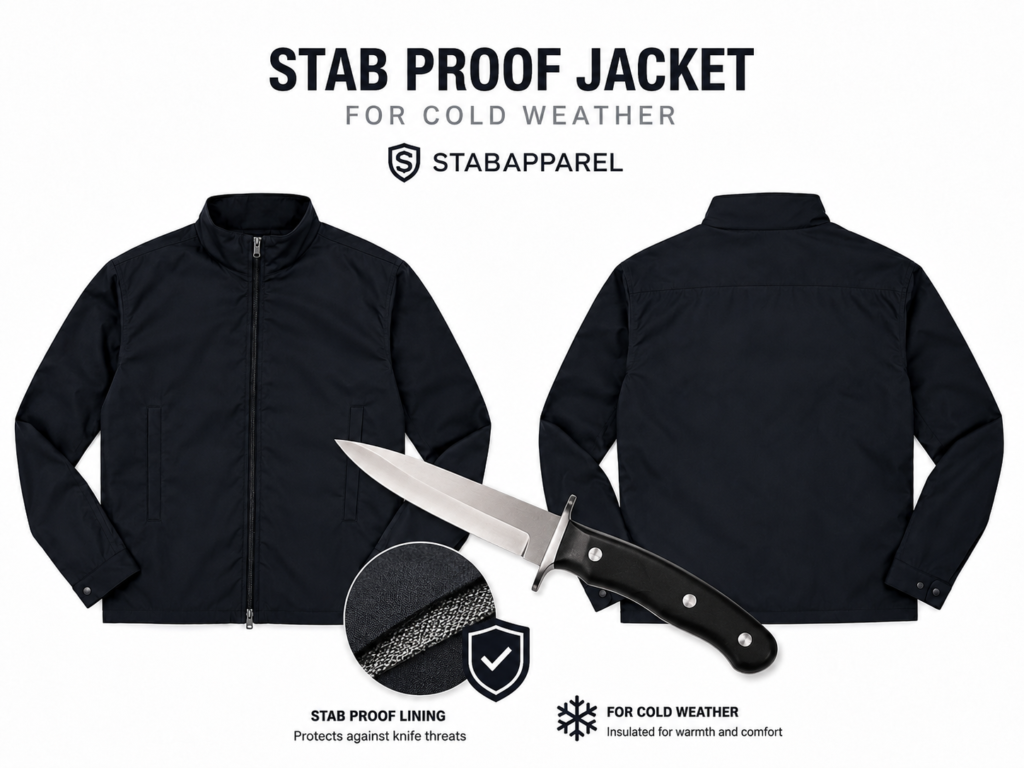
The difference between a stab-resistant T-shirt and a stab-proof T-shirt
The main difference between a stab-resistant T-shirt and a stab-proof T-shirt is that stab-resistant describes clothing designed to reduce the risk of penetration from certain sharp objects, while stab-proof suggests complete protection, which no garment can honestly guarantee.
In the protective clothing industry, stab-resistant T-shirt is the more accurate and responsible term.
1. Stab-resistant T-shirt
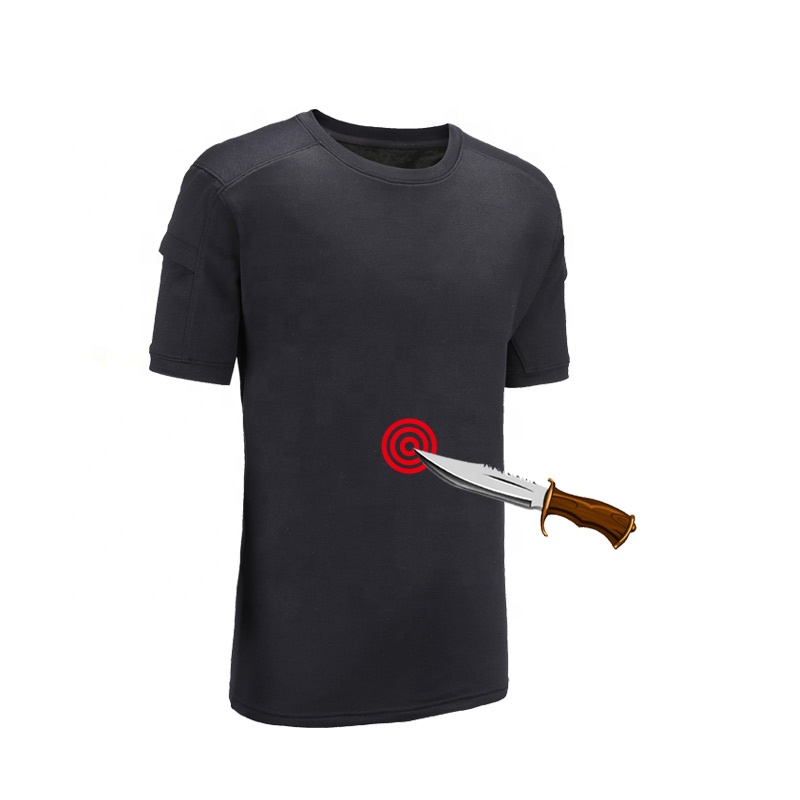
A stab-resistant T-shirt is designed with specialist materials or protective layers intended to resist penetration from specified knives or pointed objects.
Depending on its construction and testing, it may:
- Reduce the likelihood of blade penetration.
- Provide a degree of protection against particular edged weapons.
- Be lightweight and suitable for everyday clothing.
- Be worn underneath an ordinary shirt, jacket, or jumper.
- Offer different protection levels depending on its materials and certification.
However, protection is limited. It depends on the force, blade type, angle of impact, garment coverage, and testing standard.
The term stab-proof T-shirt suggests that the garment cannot be penetrated by a knife or other sharp object.
This is misleading because:
- No fabric provides unlimited protection.
- Different knives and pointed objects behave differently.
- High-force impacts may exceed a garment’s tested protection capability.
- Unprotected areas of the body remain vulnerable.
- Even certified protective clothing has specific limitations.
A manufacturer using the phrase should provide clear evidence of what protection is actually tested.
3. Side-by-side comparison
| Feature | Stab-resistant T-shirt | Stab-proof T-shirt |
|---|---|---|
| Meaning | Resistance to specified penetration threats | Implies complete protection |
| Technical accuracy | More accurate | Potentially misleading |
| Protection | Limited and test-dependent | Implies guaranteed protection |
| Testing | Should have documented test results | The name alone proves nothing |
| Marketing suitability | Recommended | Avoid |
| Consumer expectations | Realistic | Can create false confidence |
4. What protection ratings should you look for?
One important standard is UK Home Office HOSDB Body Armour Standards for UK Police (2007), which includes testing for knife and spike resistance.
Another is NIJ Standard 0115.00, which evaluates personal body armor resistance to stab threats.
These standards assess particular threats and performance levels. A garment should not be described as meeting a standard unless the specific product has appropriate supporting test documentation.
