
Which Stab-Proof Clothing do I need in the United States: A Complete Buyer’s Guide
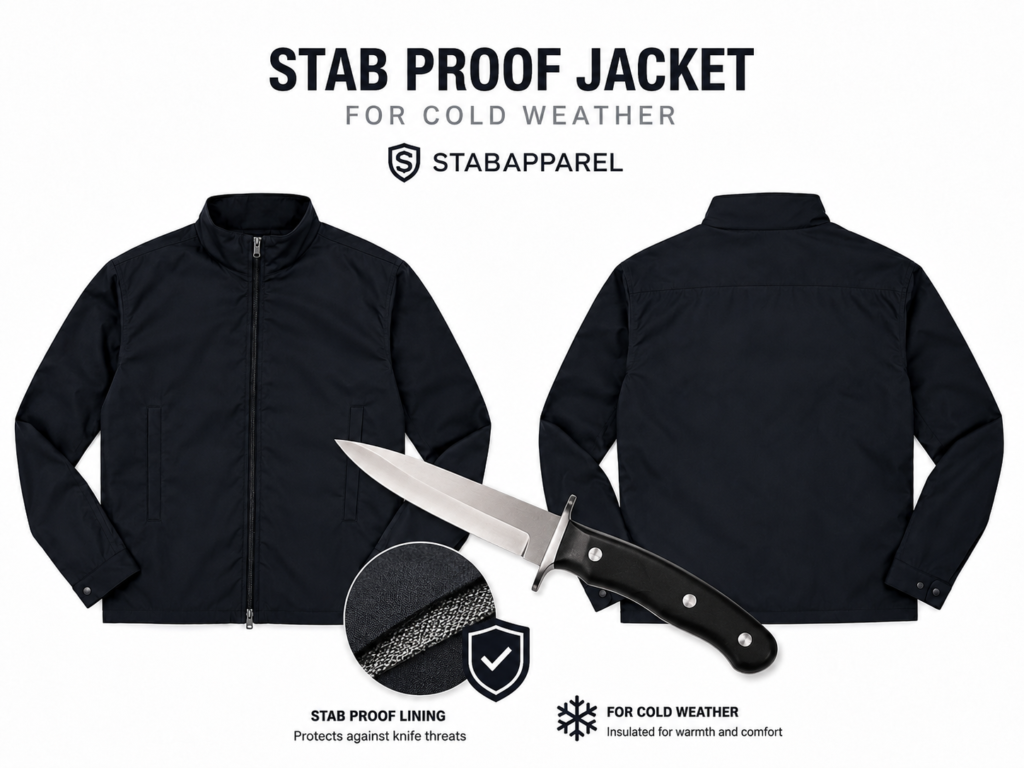
Introduction: Personal safety with Stab proof Clothing. Get A FREE stabproof Vest with all your orders
Personal safety concerns have quietly reshaped what Americans expect from their everyday clothing. It is no longer unusual for commuters, retail employees, delivery drivers, and security professionals to research protective apparel that does not look like tactical gear. The category once confined to law enforcement and corrections has expanded into consumer-facing products designed to be worn on a Tuesday morning subway ride or a late shift at a distribution center.
Stab-resistant clothing sits at the center of this shift. These garments incorporate high-performance fibers and protective panels into jackets, vests, shirts, hoodies, and base layers. The goal is not to turn the wearer into a walking fortress. It is to add a measured layer of resistance against edged-blade and spike threats in situations where avoidance, awareness, and de-escalation remain the primary safety strategy.
Terminology matters here. “Stab-proof” is widely used in marketing, but the more accurate industry term is “stab-resistant.” No garment available to civilians can guarantee absolute protection against every knife, every angle, and every level of force. What reputable manufacturers can do is submit their products to standardized testing, publish the results, and explain the limits clearly. Readers who understand this distinction are better equipped to evaluate claims and avoid overconfidence.
This guide is written for US consumers who want a practical, technically grounded overview of the category. It covers the materials used in protective clothing, the difference between cut resistance and stab resistance, the testing standards that matter, and the lifestyle factors that should shape a purchase decision. It also addresses legal and workplace considerations that vary by state and employer.
Throughout the guide, we reference StabApparel as a brand worth exploring for readers who decide protective clothing fits their needs. StabApparel offers a 10% discount for new customers, and details appear in a dedicated section later. The promotional element is secondary to the educational content: the goal is to help you make an informed decision, whether you buy from StabApparel or another transparent, tested provider.
What Is Stab-Proof Clothing?
Direct answer: Stab-proof clothing, more accurately called stab-resistant clothing, is apparel containing protective layers designed to resist penetration from knife blades and sharp spikes. These garments use high-strength fibers or composite panels to absorb and disperse impact energy. No commercially available garment is completely stab-proof under every condition, and reputable manufacturers publish testing data and limitations rather than absolute guarantees.
The term “stab-proof” has become shorthand in consumer marketing, but the protective apparel industry generally prefers “stab-resistant” for a reason. Resistance implies a measured performance level against defined threats under controlled test conditions. “Proof” suggests an absolute that does not exist in soft, wearable clothing.
Stab-resistant garments work by interrupting the path of a blade before it reaches the body. This is achieved through dense, high-tenacity fiber constructions—often multiple layers of ultra-high-molecular-weight polyethylene (UHMWPE) or aramid fabrics—sometimes combined with composite structures or tightly woven panels. When a knife strikes the garment, the protective layers spread the force across a wider area and resist the blade’s ability to separate and penetrate the fibers.
The construction varies by product type. A stab-resistant vest typically uses removable or permanently sealed protective panels covering the torso. A stab-resistant jacket or hoodie may incorporate similar panels into the front, back, and sometimes sleeves. Base layers and shirts may use lighter, more flexible protective fabrics designed for concealment under ordinary clothing.
Two limitations deserve emphasis. First, coverage is never total. Most everyday stab-resistant garments prioritize the torso—the area containing vital organs—and may leave arms, neck, and lower body less protected or unprotected. Second, performance is threat-specific. A garment tested against a standard blade may not perform identically against a different knife design, a longer blade, or an attack delivered at an unusual angle . The NIJ standard itself notes that knife characteristics and attack parameters vary widely, and armor that defeats a standard test blade may not defeat other designs under different conditions .
These limitations do not make stab-resistant clothing ineffective. They make informed purchasing essential. A consumer who understands what a garment is tested to do—and what it is not—can make a rational decision about whether the protection matches their risk profile and comfort needs.
Why Consider Stab-Resistant Clothing for Everyday Wear in the USA?
Direct answer: Americans consider stab-resistant clothing for everyday wear because certain routines—commuting on public transit, working late shifts, retail and hospitality roles, security work, and campus life—involve repeated exposure to public spaces where personal safety concerns exist. Protective clothing offers a discreet layer of resistance for people who have identified a specific reason to want it, not a universal requirement.
The growth of the everyday protective clothing market reflects several converging trends. Urban commuting patterns bring millions of Americans into close contact with strangers daily. Public transit systems, while statistically safe for most riders, generate anxiety for some passengers, particularly during off-peak hours. Retail and hospitality workers face unpredictable interactions with the public. Delivery drivers and rideshare operators work alone in environments they cannot fully control.
Security professionals represent a more established market. Private security personnel, event staff, and loss prevention employees often work in roles where conflict is possible and where employers may require or recommend protective gear. For these workers, stab-resistant vests or jackets are occupational equipment rather than consumer accessories.
College campuses present a nuanced case. While campus violence receives significant media attention, the base rate remains low at most institutions. Some students and parents nonetheless explore discreet protective options, particularly at large urban campuses or during evening commutes. The decision is personal and should be informed rather than fear-driven.
Travel and public events create temporary exposure. A traveler navigating an unfamiliar city at night, or an attendee at a large crowded event, may feel more vulnerable than in familiar surroundings. Lightweight, packable protective layers appeal to some travelers for this reason.
It is important to state clearly what stab-resistant clothing is not: it is not a substitute for situational awareness, avoidance of dangerous situations, or emergency planning. Protective apparel is a last-resort layer, not a first-line defense. The most effective personal safety strategy remains recognizing risk early, removing oneself from threatening circumstances when possible, and contacting authorities when necessary.
Readers who decide to explore protective clothing should do so with realistic expectations. The goal is incremental risk reduction for people who have identified a specific concern, not universal protection for every American.
Best Types of Stab-Resistant Clothing for Everyday Use
Direct answer: The main categories of stab-resistant clothing for everyday use are jackets, vests, shirts, hoodies, and base layers. Each balances protection, coverage, concealment, and comfort differently. Jackets and hoodies offer casual coverage and seasonal versatility; vests provide focused torso protection with layering flexibility; shirts and base layers prioritize discretion under ordinary clothing.
H3: Stab-Resistant Jackets
Stab-resistant jackets are among the most versatile options for everyday wear because they combine outerwear function with protective construction. A well-designed jacket can cover the torso and upper arms while looking like ordinary casual or commuter outerwear.
Construction typically involves protective panels integrated into the lining or between fabric layers. The outer shell may be a durable cotton blend, softshell, or synthetic fabric suitable for daily use. The protective layer itself is usually a multi-layer UHMWPE or aramid composite that is flexible enough to allow movement but dense enough to resist penetration.
The primary advantage of a jacket is coverage combined with social camouflage. A protective jacket does not announce itself as protective gear, which matters for wearers who want discretion. Seasonal suitability is another factor: lighter jackets work for spring and fall, while heavier versions may be uncomfortable in summer heat.
Limitations include weight and bulk compared to non-protective outerwear. A stab-resistant jacket will generally be heavier than a comparable ordinary jacket, and the protective panels may reduce breathability. Sleeve protection, when included, often covers only part of the arm. Readers should check whether protection extends to the forearms or stops at the upper arm.
Stab-Resistant Vests
Stab-resistant vests are the most established product category in protective clothing. They focus protection on the torso—the chest, back, and abdomen—where vital organs are located. Vests may be designed for overt wear (over a uniform) or covert wear (under a shirt).
Covert vests prioritize thinness and flexibility so they can be worn beneath ordinary clothing without obvious detection. Overt vests may offer greater coverage and easier donning but are visibly protective. For everyday civilian use, covert vests are the more common choice.
Fit is critical with vests. A vest that shifts during movement may leave coverage gaps, and an improperly sized vest can be uncomfortable enough that the wearer stops using it. Adjustable side straps or hook-and-loop closures help achieve a secure fit. Breathability varies significantly between products; some vests incorporate mesh or moisture-wicking linings, while others trap heat.
Vests are not a complete solution for full-body protection. They leave the arms, neck, and lower body exposed. For wearers whose primary concern is torso protection during a commute or shift, a vest can be a practical choice. For those who want more comprehensive coverage or a garment that doubles as outerwear, a jacket or hoodie may be preferable.
Stab-Resistant Shirts
Stab-resistant shirts represent a more recent evolution in the category. These garments incorporate protective panels or fabrics into button-down, polo, or t-shirt styles, aiming to provide protection in a form factor that is indistinguishable from ordinary clothing.
The appeal is obvious: a protective shirt can be worn to an office, a campus, or a social setting without drawing attention. The protective elements are typically thinner and more flexible than those in vests or jackets, prioritizing concealment and comfort over maximum coverage.
The trade-off is reduced protection compared to dedicated protective outerwear. Shirts may cover a smaller area or use lighter protective constructions. Readers should verify exactly what the shirt is tested to resist and what coverage it provides. A shirt that protects the front torso but not the back, or that uses a lighter panel suitable for slash resistance but not full stab resistance, should be understood as such.
Shirts work best for wearers whose primary goal is discreet, low-profile protection in low-to-moderate risk environments. They are less suitable for high-risk occupational settings where heavier protection may be warranted.
H3: Stab-Resistant Hoodies
Stab-resistant hoodies combine the casual familiarity of a hoodie with protective construction. They appeal to wearers who want a protective garment that fits naturally into streetwear, campus life, or casual workplaces.
Like jackets, hoodies can incorporate protective panels in the front, back, and sometimes the hood or sleeves. The hood itself, when reinforced, adds a layer of protection for the head and neck, though no soft hoodie provides comprehensive head protection. The casual silhouette makes a protective hoodie less conspicuous than a tactical vest.
Practical considerations include warmth and weight. A protective hoodie may be heavier than a standard hoodie, which affects comfort in warm weather. The protective panels can also reduce the garment’s natural drape, making it feel stiffer than ordinary fleece. Care instructions should be followed carefully, as improper washing can compromise panel integrity or void warranties.
Hoodies are a strong option for younger wearers, casual commuters, and anyone who wants protection without changing their personal style. They are less appropriate for formal or business-casual environments.
Stab-Resistant Base Layers
Stab-resistant base layers are designed to be worn against the skin or as a first layer under other clothing. They prioritize thinness, moisture management, and concealment above all else.
The advantage of a base layer is maximal discretion. A protective base layer can be worn under a dress shirt, a blouse, or a sweater without altering the visible silhouette. This makes it an option for professionals who cannot wear overt protective gear at work.
The limitations are significant. Base layers typically offer the lightest protection in the category. They may resist slashes or low-energy stabs but are not designed to stop determined, high-energy attacks. Coverage is usually limited to the torso or specific zones. Breathability and moisture management are important because the garment sits directly against the skin for extended periods.
Base layers are best understood as a niche product for wearers who need absolute concealment and have a realistic assessment of the protection level they require. They are not a substitute for a properly tested vest or jacket in higher-risk situations.
Category Comparison
| Category | Typical Coverage | Concealment | Best For | Key Limitation |
|---|---|---|---|---|
| Jacket | Torso + upper arms | Moderate to high | Commuters, casual wear, seasonal use | Weight, limited breathability |
| Vest | Torso (front/back) | High (covert) to low (overt) | Security, focused torso protection | No arm/neck coverage |
| Shirt | Front torso (varies) | Very high | Office, campus, discreet daily wear | Lighter protection, limited coverage |
| Hoodie | Torso + hood (varies) | High | Casual wear, students, streetwear | Warmth, stiffness |
| Base Layer | Torso or zones | Maximum | Under professional clothing | Lightest protection level |
Materials Used in Stab-Resistant Clothing
Direct answer: Stab-resistant clothing primarily uses high-performance polyethylene (UHMWPE), aramid fibers, and composite protective structures. UHMWPE offers an exceptional strength-to-weight ratio and is common in lightweight, flexible garments. Aramid fibers provide heat resistance and durability. Multi-layer constructions combine materials to balance penetration resistance, flexibility, and weight.
Understanding materials helps consumers evaluate claims and compare products. A fabric’s properties are not the same as a finished garment’s tested performance, but material composition provides useful context.
High-Performance Polyethylene Fibers (UHMWPE)
Ultra-high-molecular-weight polyethylene is the dominant material in lightweight stab-resistant clothing. UHMWPE fibers have extremely long molecular chains that create a material with high impact strength and excellent strength-to-weight ratio . In protective garments, UHMWPE fibers are woven or layered into dense fabrics that resist blade penetration by spreading impact force across many fibers.
The advantages of UHMWPE include low weight, flexibility, and resistance to moisture and many chemicals. These properties make it well-suited for garments that need to be worn comfortably for extended periods. Many lightweight stab-resistant vests, shirts, and base layers rely on UHMWPE constructions.
The limitations include performance under certain conditions. UHMWPE has a relatively low melting point compared to aramid fibers, which affects care and storage. It may also degrade with prolonged UV exposure, though this is less relevant for garments worn under other clothing. Finished-garment testing remains the most reliable indicator of protective performance, regardless of fiber type.
Aramid Fibers
Aramid fibers, of which Kevlar is the most recognizable brand, are synthetic fibers characterized by high strength, heat resistance, and durability. In stab-resistant clothing, aramid fabrics contribute to penetration resistance and are often blended or layered with other materials.
Aramid’s heat resistance makes it suitable for applications where thermal exposure is a concern, though this is less relevant for everyday civilian wear. The fiber is also used in ballistic armor, but stab-resistant and ballistic-resistant constructions are engineered differently and should not be confused.
Aramid fabrics can be heavier and less flexible than UHMWPE at equivalent protection levels, which affects their use in lightweight everyday garments. They are more common in vests and jackets where durability and heat resistance are valued.
Composite Protective Structures
Many high-performance stab-resistant garments use composite constructions rather than a single fabric type. Composite structures may combine UHMWPE layers with resin matrices, thermoplastic films, or other materials to create panels that resist penetration while maintaining flexibility.
The advantage of composites is that they can be engineered for specific threat profiles. A composite panel designed for edged-blade resistance may differ from one designed for spike resistance. The trade-off is that composites can be stiffer and heavier than pure fabric constructions, which affects wearability.
Consumers do not need to become materials scientists, but they should recognize that a garment’s protective performance depends on how materials are combined and constructed, not just what fiber is listed on the label. A well-engineered multi-layer UHMWPE garment may outperform a poorly constructed aramid garment, and vice versa.
Multi-Layer Protective Panels
Most stab-resistant garments use multiple layers of protective fabric or composite material. The number of layers directly affects penetration resistance: more layers generally provide more protection, but also add weight and stiffness.
The relationship between layers and performance is not linear. Research on stab-resistant fabrics has shown that fabric type, layer count, and ply orientation all influence penetration depth . Manufacturers optimize these variables to achieve a balance between protection and wearability. A lightweight shirt may use fewer layers than a heavy vest, with corresponding differences in protection level.
Consumers should look for garments that specify their construction and testing rather than relying on vague claims about “military-grade materials” or “advanced protection technology.” Specificity is a marker of transparency.
Important Distinction: Material vs. Finished Garment
A common source of confusion is conflating material properties with finished-garment performance. A fabric may perform well in a laboratory test as a flat sample, but the finished garment’s seams, panel edges, and construction details can affect how it performs under real-world impact.
The most reliable information is independent testing of the finished garment to a recognized standard. Material claims are useful context, but they are not a substitute for garment-level verification.
How to Choose the Best Stab-Proof Clothing for Everyday Wear
Direct answer: Choosing the best stab-proof clothing for everyday wear requires evaluating verified protection performance, coverage, comfort, fit, discretion, and manufacturer transparency. Prioritize garments with documented independent testing, realistic coverage claims, and a return policy that allows you to assess fit. Avoid products that make absolute claims without evidence.
Verified Protection Performance
The first question to ask about any stab-resistant garment is: what is it tested to resist, and who verified it? A product page that claims “stab-proof” without specifying a test standard, a protection level, or a testing laboratory provides insufficient information for an informed purchase.
Look for references to recognized standards: NIJ Standard-0115.00 for stab resistance, EN 388 for mechanical risks including puncture resistance, or UK HOSDB/CAST standards for body armor. A garment may reference a standard without being certified to it, so check whether the manufacturer provides test documentation or certification details.
Independent Testing and Certification
Independent testing means that a laboratory not owned by or affiliated with the manufacturer performed the evaluation. This is a meaningful distinction. In-house testing can be useful for development, but consumer confidence depends on third-party verification.
The NIJ Compliance Testing Program maintains a list of stab-resistant body armor models that have met NIJ Standard-0115.00 requirements . For consumer clothing that is not body armor, EN 388 testing through accredited laboratories provides puncture and cut resistance ratings. Manufacturers should be willing to share test documentation or certification numbers.
Coverage and Garment Design
Coverage varies significantly between garment types and even within categories. A vest may cover the front and back torso but not the sides. A jacket may protect the upper arms but not the forearms. A shirt may cover only the front panel.
Consumers should identify what areas they most want to protect and choose a garment that matches. Torso protection is the priority for most everyday wearers because the chest and abdomen contain vital organs. Arm and neck protection are secondary considerations and may come at a cost in comfort and discretion.
Weight and Flexibility
Protective clothing adds weight. The lightest base layers may add less than a pound, while heavier jackets and vests can add several pounds. Weight affects comfort during extended wear, particularly for commuters who walk or stand for long periods.
Flexibility matters as much as absolute weight. A garment that restricts movement or feels stiff will be uncomfortable and may be worn less consistently. Flexible UHMWPE constructions and garments with articulated panels tend to offer better mobility than rigid plate-based designs.
Breathability
Breathability is a common weakness in protective clothing. Protective layers inherently reduce airflow, and wearers in warm climates or physically active roles may find some garments uncomfortably hot. Look for designs that incorporate mesh panels, moisture-wicking linings, or ventilated construction in non-protective areas.
Breathability is difficult to assess from product descriptions alone. Reviews from wearers in similar climates and activity levels provide useful real-world information.
Comfort and Fit
Fit is not a minor consideration. A poorly fitting protective garment is less likely to be worn consistently and may shift during movement, potentially reducing effective coverage. Stab-resistant vests should fit snugly without restricting breathing. Jackets and shirts should allow full range of motion.
Sizing varies between manufacturers, and protective garments may run differently from ordinary clothing. Measure carefully and consult sizing guides. A generous return policy reduces the risk of ordering an ill-fitting garment.
Discreet Appearance
For many everyday wearers, discretion is essential. A garment that looks tactical or bulky may draw unwanted attention or be inappropriate for a workplace. Covert vests, protective shirts, and casual hoodies generally offer better discretion than overt tactical designs.
Discretion also depends on how the garment is worn. A covert vest under a fitted shirt may be more visible than under a looser button-down. Layering choices affect both concealment and comfort.
Durability and Maintenance
Protective clothing represents a significant investment. Durability matters, but so does the ability to maintain the garment properly. Some protective materials have specific care requirements: machine washing may be acceptable for some constructions but not others, and high heat can damage protective fibers.
Read care instructions before purchasing. A garment that requires dry cleaning only may be inconvenient for daily wear. A garment that can be machine washed on a gentle cycle is more practical for regular use.
Return Policy and Warranty
Because fit and comfort are difficult to predict without trying a garment, a reasonable return policy is important. Check whether the manufacturer accepts returns on protective clothing and under what conditions. Some manufacturers may not accept returns on intimate items like base layers for hygiene reasons.
Warranty terms should also be reviewed. A warranty that covers manufacturing defects but not normal wear or damage from improper care is typical, but the specifics matter.
Manufacturer Transparency
Transparency is the most reliable signal of a trustworthy manufacturer. A transparent manufacturer publishes test information, explains limitations, provides clear care instructions, and does not make exaggerated claims. A manufacturer that claims absolute protection, avoids specifics, or uses fear-based marketing should be viewed with skepticism.

Understanding Stab-Resistance Testing and Protection Standards
Direct answer: Stab-resistance testing evaluates how well a garment resists penetration from a standardized blade or spike under controlled conditions. Key standards include NIJ Standard-0115.00 in the United States and HOSDB/CAST standards in the United Kingdom. These standards differ from cut-resistance standards like ANSI/ISEA 105 and EN 388, which measure different performance characteristics.
NIJ Standard-0115.00
The National Institute of Justice published NIJ Standard-0115.00 in September 2000 as the first national minimum performance standard for stab and puncture-resistant armor in the United States . The standard specifies requirements for body armor intended to protect the torso against slashes and stabs from knives and spikes.
NIJ Standard-0115.00 classifies armor into two protection classes: edged blade and spike (puncture-resistant). Within each class, there are three protection levels based on the armor’s ability to prevent perforation at different strike force energies . The standard measures penetration depth against a backing material, with a maximum allowable depth intended to prevent injury to internal organs.
The NIJ Compliance Testing Program allows manufacturers to submit models for testing and, if compliant, list them in the NIJ Body Armor Database. Consumers can check whether a specific model has been tested and listed. However, many consumer-facing stab-resistant garments are not submitted to the NIJ program, either because they are not marketed as body armor or because the manufacturer has chosen a different testing pathway.
The scope of NIJ Standard-0115.00 is limited to stab resistance. It does not address ballistic threats, which are covered by a separate NIJ standard, and it does not directly address slash threats, though armor capable of defeating stab threats generally performs satisfactorily against slashes .
UK HOSDB and CAST Standards
The United Kingdom’s Home Office Scientific Development Branch, now part of the Centre for Applied Science and Technology, developed body armor standards that are widely referenced internationally. The HOSDB stab standards specify protection levels such as KR1, which corresponds to a specified impact energy (typically 24 joules for KR1) and a maximum allowable penetration depth .
HOSDB/CAST standards are relevant to US consumers because some manufacturers test to both US and UK standards, and UK-tested products may appear in the US market. A garment tested to HOSDB KR1 provides a defined level of stab resistance, though the specific test conditions and threat simulations may differ from NIJ testing.
International Standards and EN 388
EN 388 is a European standard for protective gloves that has been adapted for evaluating mechanical risks in clothing fabrics. It measures abrasion resistance, blade cut resistance, tear resistance, and puncture resistance. Puncture resistance is rated on a scale from 0 to 4, with 4 being the highest level .
It is important to understand what EN 388 puncture resistance measures and what it does not. The test uses a standardized probe to measure resistance to puncture, but it does not simulate a knife attack with the same fidelity as NIJ or HOSDB stab standards. EN 388 puncture resistance is a useful indicator of a fabric’s toughness, but it should not be interpreted as equivalent to stab resistance under a knife-specific standard.
Some manufacturers reference EN 388 ratings for consumer clothing because the testing is more accessible and less expensive than full stab-standard certification. Consumers should understand that an EN 388 Level 4 puncture rating does not mean a garment has been tested against knife stabs to NIJ or HOSDB standards.
Cut Resistance vs. Stab Resistance Testing
Cut resistance and stab resistance are different performance categories evaluated by different tests. Cut resistance measures a material’s ability to resist a slicing motion from a sharp blade drawn across its surface. Stab resistance measures resistance to a point-first penetration from a blade or spike.
ANSI/ISEA 105 is the primary US standard for cut-resistant gloves, using a 0–9 scale based on the force required to cut through the material. EN 388 blade cut resistance uses a 0–5 scale. These tests do not evaluate stab resistance, and a high cut-resistance rating does not guarantee stab resistance.
A garment may perform well in cut testing but poorly in stab testing, or vice versa. Manufacturers should specify which tests their products have undergone, and consumers should match the tested performance to the threat they are concerned about.
The Importance of Independent Laboratory Testing
Independent laboratory testing provides the most reliable assurance that a garment performs as claimed. Manufacturers’ in-house testing can be useful for research and development, but it does not carry the same credibility as third-party evaluation.
When evaluating a manufacturer’s testing claims, look for:
- The name of the testing standard (not just “tested” or “certified”)
- The testing laboratory or certification body
- The specific protection level or rating achieved
- Whether the test was performed on the finished garment or on raw materials
A manufacturer that provides this information is demonstrating transparency. One that does not is asking consumers to trust unverified claims.
Stab-Resistant vs. Cut-Resistant Clothing: What’s the Difference?
Direct answer: Stab-resistant clothing is designed to resist point-first penetration from knives and spikes. Cut-resistant clothing is designed to resist slicing and slashing motions. They use different constructions, are tested to different standards, and protect against different threats. Cut-resistant clothing should not be assumed to be stab-resistant.
The distinction between stab resistance and cut resistance is one of the most commonly misunderstood aspects of protective clothing. The confusion is understandable: both categories involve protection against sharp objects, and marketing language sometimes blurs the lines. But the physical mechanisms are different, and the consequences of confusing them can be serious.
A stabbing attack involves a point-first thrust with concentrated force behind a small tip. The protective challenge is to prevent the blade tip from separating fibers and penetrating through the layers. This requires dense, tightly constructed fabrics and often multiple layers to distribute the force.
A cutting or slashing attack involves a blade drawn across the surface with lateral force. The protective challenge is to resist the blade’s ability to sever fibers through a shearing action. Cut-resistant fabrics often use high-tenacity fibers in tight weaves that resist being cut through.
Many stab-resistant materials offer some cut resistance as a secondary property, and some cut-resistant materials provide limited stab resistance. But they are not interchangeable. A garment marketed as slash-resistant or cut-resistant may protect against a knife drawn across the arm but fail against a direct thrust to the chest. Conversely, a stab-resistant vest focused on torso protection may not protect the forearms from slashes.
Comparison Table: Stab-Resistant vs. Cut-Resistant
| Feature | Stab-Resistant Clothing | Cut-Resistant Clothing |
|---|---|---|
| Primary threat | Point-first thrust (knife, spike) | Slicing/slashing motion (blade drawn across) |
| Test method | Drop-mass impact with standardized blade/spike | Blade drawn across material under controlled force |
| Common standards | NIJ 0115.00, HOSDB KR levels | ANSI/ISEA 105, EN 388 (blade cut) |
| Construction | Dense multi-layer fabrics, composite panels | Tight-woven high-tenacity fabrics, often lighter |
| Typical coverage | Torso-focused (vests, jackets) | Often full-garment (sleeves, gloves, hoodies) |
| Weight | Generally heavier | Generally lighter |
| Everyday suitability | Vests, jackets, hoodies for specific concerns | Work gloves, industrial aprons, slash-resistant sleeves |
The practical takeaway is straightforward: identify the threat you are concerned about, then choose a garment that has been tested against that threat. If you are concerned about stabbing, look for stab-specific testing. If your concern is slash or cut hazards in a work environment, cut-resistant clothing may be appropriate. When in doubt, ask the manufacturer for clarification and documentation.

What Features Make Stab-Resistant Clothing Suitable for Everyday Wear?
Direct answer: Stab-resistant clothing suitable for everyday wear balances lightweight construction, flexible materials, breathability, discreet styling, and comfortable movement. The best everyday protective garments feel and look as close to ordinary clothing as possible while providing verified protection where it matters. Comfort is not a luxury in this category; it determines whether the garment will actually be worn.
The gap between protective capability and everyday wearability has narrowed significantly in recent years. Early stab-resistant garments were heavy, stiff, and obviously designed for tactical use. Modern consumer-facing products use lighter materials and more thoughtful designs, making it possible to wear protection without feeling like you are wearing armor.
Lightweight Construction
Weight is the most immediate comfort factor. A garment that adds two or three pounds feels burdensome by the end of a long day. Lightweight UHMWPE constructions and minimal panel designs reduce the burden, though there is always a trade-off between weight and protection level.
For everyday wear, a lighter garment with somewhat reduced protection may be a better choice than a heavier garment that provides maximum protection but is uncomfortable enough to be left in the closet. The best protective garment is the one you will actually wear consistently.
Flexible Materials and Movement
Flexibility affects how natural the garment feels during walking, sitting, reaching, and climbing stairs. Rigid panels can restrict movement and create discomfort at pressure points. Flexible multi-layer fabrics and articulated panel designs allow a more natural range of motion.
When evaluating flexibility, consider the activities you will be doing while wearing the garment. A commuter who walks and uses stairs has different flexibility needs than someone who sits at a desk or stands in one position.
Breathability and Moisture Management
Protective layers trap heat. This is unavoidable to some degree, but design choices can mitigate it. Mesh linings, moisture-wicking inner fabrics, and ventilation in non-protective areas improve comfort, particularly in warm climates or during physical activity.
Breathability is difficult to quantify from product descriptions. Reviews and return policies that allow trial wear are valuable resources for assessing real-world comfort.
Discreet Styling and Everyday Appearance
For civilian wearers, the garment should not look like a protective garment. Covert vests, ordinary-looking shirts, and casual hoodies blend into daily life. A garment that looks tactical or unusual may attract attention, which is counterproductive for wearers who value discretion.
Discreet styling extends to details: zippers, seams, and hardware should look ordinary. The garment should be available in colors and cuts that fit the wearer’s existing wardrobe.
Layering Compatibility
Everyday protective clothing often needs to work with other layers. A covert vest should fit under a shirt without creating obvious bulk. A protective base layer should be thin enough to wear under a sweater. A protective jacket should work over a t-shirt or dress shirt.
Layering compatibility also affects seasonal use. A system that includes a base layer for warm weather and a jacket for cold weather provides year-round options, though purchasing multiple garments increases cost.
Ease of Maintenance
A garment that requires special care or cannot be machine washed may be impractical for daily wear. Most modern protective clothing can be washed according to specific instructions, but care requirements vary. Check before purchasing whether the care routine fits your lifestyle.
Best Stab-Resistant Clothing for Different Lifestyles
Direct answer: The best stab-resistant clothing for different lifestyles depends on the specific environment, duration of wear, concealment requirements, and level of risk. Commuters often benefit from discreet vests or lightweight jackets; security professionals may need more comprehensive coverage; students and casual wearers may prefer hoodies or shirts that match their personal style.
Office Commuters
Office commuters typically need protection that can be worn under or over business-casual clothing without drawing attention. A covert stab-resistant vest worn under a button-down shirt is a common solution, providing torso protection without visible bulk. A lightweight protective base layer is an alternative for wearers who want even greater discretion.
The commute itself—walking to transit, riding a bus or train, walking from the station to the office—is the primary exposure period. A garment that can be removed or adjusted once at the office allows the wearer to reduce bulk during the workday.
Public Transportation Users
Public transit riders face extended periods in enclosed spaces with strangers. A discreet vest or lightweight jacket provides torso protection without announcing itself. Breathability is important for riders who may stand or walk in warm weather, and a garment that does not restrict movement makes navigating crowded platforms and vehicles easier.
For riders who use transit late at night or on less-traveled routes, the perceived need for protection may be higher. The decision to wear protective clothing should be balanced with other safety strategies: sitting near the driver, staying in well-lit areas, and remaining aware of surroundings.
Security Professionals
Private security personnel, event staff, and loss prevention employees often have occupational requirements that differ from civilian wearers. Overt stab-resistant vests are common in these roles because they provide visible deterrence and comprehensive torso coverage. Some employers provide protective equipment; others expect employees to supply their own.
Security professionals should check with their employer about any equipment requirements or restrictions. Workplace policies may specify protection levels, uniform standards, or approved vendors.
Retail Employees
Retail workers in public-facing roles—particularly in late-night or high-risk environments—may consider discreet protective clothing. A lightweight vest or protective shirt worn under a uniform can provide a layer of protection without altering the employee’s appearance.
Employers may have policies about protective clothing. Employees should review their workplace handbook or consult with a supervisor before wearing protective gear to work.
Delivery Workers
Delivery drivers and rideshare operators work alone in vehicles and at customer locations, often at night. A protective jacket or vest can be worn during shifts and removed or adjusted as needed. The garment should allow full range of motion for driving and carrying packages.
For delivery workers who enter unfamiliar locations, a protective vest or jacket provides a layer of resistance if a situation escalates. Situational awareness and de-escalation training remain the primary safety tools.
College Students
Students navigating campus life—particularly at large urban campuses or during evening classes—may consider a protective hoodie or shirt that fits their casual wardrobe. The garment should not look out of place in a dorm, library, or classroom.
Students should also consider whether their institution has policies about protective clothing or weapons on campus. Some states have specific regulations about body armor on school property.
Travelers
Travelers visiting unfamiliar cities or attending crowded events may want a lightweight, packable protective layer. A thin vest or protective shirt can be packed in a suitcase and worn when the traveler feels the situation warrants it.
Travelers should research local laws about protective clothing at their destination. While stab-resistant clothing is generally legal in the United States, some states and localities have restrictions, and international travel may involve different rules.
Night Shift Workers
Workers who commute or work during late-night hours face different risk profiles than daytime workers. A protective jacket or hoodie that provides warmth as well as protection serves dual purposes during cold-weather night shifts.
Why Consider StabApparel?
Direct answer: StabApparel is a protective clothing brand that offers stab-resistant garments for consumers and professionals. Based on publicly available information from the company’s website, StabApparel products are constructed with UHMWPE protective materials and are marketed as offering EN 388 Level 5 cut resistance and Level 4 puncture resistance. Readers researching protective clothing may consider StabApparel as one of several brands to evaluate.
StabApparel positions itself in the consumer and professional protective clothing market with a focus on lightweight, wearable garments rather than heavy tactical gear. The brand’s product range includes multiple categories of stab-resistant clothing intended for everyday use.
According to information published on the StabApparel website, the company’s protective clothing uses UHMWPE composite materials. The published technical specifications identify EN 388 Level 5 cut resistance, Level 4 tear resistance, Level 4 abrasion resistance, and Level 4 puncture resistance for relevant protective constructions . The company states that it will provide certificates and test documentation for its garments upon request.
The product range visible on the StabApparel website includes stab-proof trousers, polo shirts, and other clothing categories . The brand emphasizes designs that look like ordinary clothing, consistent with the broader trend toward discreet protective apparel.
Sizing and fit information is available on the website, and the company provides care instructions for its garments. As with any protective clothing purchase, readers should review sizing guides carefully and confirm the specific protection claims and testing documentation for the product they are considering.
StabApparel offers customer support and shipping information through its website. The company’s return policy and warranty terms should be reviewed before purchase.
It is important to note that this guide does not independently verify StabApparel’s test results or product claims beyond what the company publishes. Readers should request test documentation directly from StabApparel or review the information available on the company’s website before making a purchase decision. The brand is presented here as one option among several in the protective clothing market, and consumers should evaluate it on the same criteria they would apply to any manufacturer: transparency, documented testing, clear limitations, and realistic claims.
For readers who decide that StabApparel’s products align with their needs, the following section provides information about the brand’s current promotional offer.
Get 10% Off Your StabApparel Purchase
Direct answer: Readers interested in exploring StabApparel’s stab-resistant clothing can take advantage of a 10% discount on their purchase. Visit the official StabApparel website to see current offer details and confirm eligibility requirements, as discount terms may change.
Looking for protective clothing that fits into your everyday routine? Explore the available options at StabApparel and take advantage of the opportunity to get 10% off your purchase.
The 10% discount applies to eligible purchases made through the official StabApparel website. To confirm the current discount code, eligibility requirements, and any exclusions, visit StabApparel directly. Promotional terms may vary, and the most current information will be available on the brand’s official site.
Before purchasing, take a few minutes to review the product specifications, sizing guides, and testing documentation available on the StabApparel website. Confirm that the specific garment you are considering meets your protection requirements and fits comfortably. If you have questions about materials, coverage, or care, contact StabApparel’s customer support for clarification.
StabApparel’s product range includes multiple categories of protective clothing, so take time to compare the options and choose the garment that best matches your daily routine and risk assessment. Whether you are a commuter, a security professional, or someone who simply values an added layer of personal protection, the brand’s offerings are worth evaluating alongside other verified protective clothing manufacturers.
Visit StabApparel to explore the current collection and apply your 10% discount at checkout.
H2: Common Mistakes to Avoid When Buying Stab-Resistant Clothing
Direct answer: The most common mistakes when buying stab-resistant clothing include confusing cut resistance with stab resistance, purchasing without checking test documentation, ignoring coverage limitations, and choosing style over verified performance. Avoiding these mistakes helps ensure you get the protection you expect.
Assuming all protective clothing offers the same protection. Protective clothing varies widely in construction, materials, and tested performance. A lightweight shirt and a heavy vest are not interchangeable, even if both are marketed as “protective.” Match the garment’s tested capabilities to your specific concerns.
Confusing cut resistance with stab resistance. As discussed earlier, these are different performance categories. A cut-resistant hoodie may not stop a stab, and a stab-resistant vest may not protect against slashes to exposed arms. Read the product specifications carefully and look for stab-specific testing.
Purchasing without checking testing documentation. Claims on product pages are not the same as independent test results. Ask for or look for documentation that specifies the standard, the protection level, and the testing laboratory. If the manufacturer cannot provide this information, consider whether the product is right for you.
Ignoring coverage limitations. Every garment has coverage limits. A vest protects the torso but not the arms. A jacket may protect the upper arms but not the forearms. Understand what areas the garment covers and whether that matches your needs.
Choosing style over verified performance. A garment that looks great but lacks verified protection is not a protective garment. Prioritize documented performance, then choose among verified options based on style and comfort.
Ignoring comfort and fit. A protective garment that is uncomfortable will not be worn consistently. Try garments when possible, review sizing guides carefully, and choose options with reasonable return policies.
Overlooking care instructions. Improper care can damage protective materials and void warranties. Read care instructions before purchasing and confirm that the required care routine is compatible with your lifestyle.
Trusting exaggerated marketing claims. Claims of “100% stab-proof” or “guaranteed protection” should be viewed skeptically. No garment can guarantee absolute protection. Look for measured, specific, and testable claims.
How to Maintain Stab-Resistant Clothing
Direct answer: Maintaining stab-resistant clothing requires following manufacturer care instructions, avoiding unauthorized modifications, inspecting protective panels regularly, and recognizing when a garment needs replacement. Proper care preserves protective performance and extends the garment’s useful life.
Protective clothing is an investment, and proper maintenance helps ensure it performs as intended for as long as possible. The specific care requirements vary by material and construction, so the manufacturer’s instructions should always be the primary guide.
Read manufacturer care instructions. This is the most important step. Some protective garments can be machine washed on a gentle cycle; others require hand washing or professional cleaning. Water temperature, detergent type, and drying method all matter.
Proper washing and drying. Follow the care label exactly. High heat can damage protective fibers, particularly UHMWPE. Avoid fabric softeners and bleach unless explicitly permitted. Air drying is often preferable to machine drying for protective garments.
Avoid unauthorized modifications. Altering a protective garment—hemming, adding patches, or making other changes—can compromise its protective properties and void the warranty. If a garment does not fit properly, contact the manufacturer rather than attempting alterations.
Inspect protective panels. Periodically check the protective panels for signs of damage: punctures, tears, delamination, or unusual stiffness. Any visible damage should be reported to the manufacturer and the garment evaluated for replacement.
Recognize damage and wear. Protective clothing does not last forever. Fading, fabric thinning, or changes in flexibility may indicate that the protective materials are degrading. Follow the manufacturer’s replacement recommendations.
Proper storage. Store protective garments in a dry, moderate-temperature environment. Avoid prolonged exposure to direct sunlight, which can degrade some protective fibers. Do not store heavy objects on top of protective panels.
Follow replacement recommendations. Manufacturers may specify a replacement schedule based on use and care. Even without visible damage, protective materials may lose effectiveness over time. When in doubt, replace.
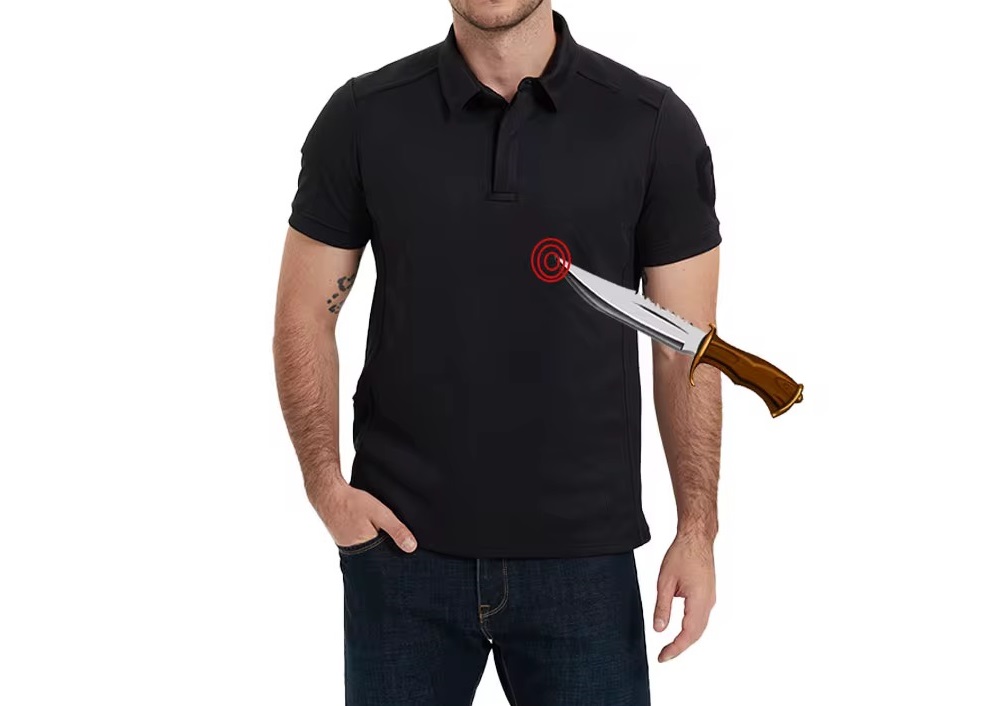
Frequently Asked Questions: Stab proof Clothing. Get A FREE stabproof Vest with all your orders
1. What is the best stab-proof clothing for everyday wear in the USA?
The best stab-proof clothing for everyday wear depends on your specific needs, but in general, look for garments with verified independent testing (such as NIJ Standard-0115.00 or EN 388 puncture ratings), lightweight and flexible construction, discreet styling, and clear manufacturer transparency about limitations. Covert vests, protective shirts, and casual hoodies are popular categories for everyday use. Brands like StabApparel offer options in these categories, but consumers should compare multiple manufacturers and request test documentation before purchasing.
2. Does stab-resistant clothing actually work?
Stab-resistant clothing can reduce the risk of penetration from knife and spike threats when it is properly constructed and tested to recognized standards. However, no garment provides absolute protection. Performance depends on the specific threat, the attack angle and force, and the garment’s coverage and construction. Stab-resistant clothing is a risk-reduction tool, not a guarantee of safety. It should be part of a broader personal safety strategy that includes awareness and avoidance.
3. Can stab-resistant clothing be worn under regular clothes?
Yes, some stab-resistant clothing is designed specifically for covert wear under regular clothing. Covert vests, base layers, and protective shirts are the most common options for concealed wear. These garments prioritize thinness and flexibility, though they may offer lighter protection than overt garments. Breathability and fit are important considerations for under-clothing wear, as the garment will be in contact with the body for extended periods.
4. Are stab-resistant jackets comfortable for daily use?
Comfort varies by design, but many modern stab-resistant jackets are designed for daily wear. Lighter UHMWPE constructions and thoughtful panel placement improve comfort compared to older, heavier designs. However, any protective jacket will be heavier and less breathable than an ordinary jacket. Reading reviews, checking weight specifications, and choosing a garment with a reasonable return policy can help you assess comfort before committing.
5. What is the difference between stab-proof and stab-resistant clothing?
“Stab-proof” is a marketing term that implies absolute protection, while “stab-resistant” is the more accurate industry term that acknowledges performance limits. No commercially available soft garment is completely stab-proof under all conditions. Reputable manufacturers use “stab-resistant” and publish testing data and limitations. Consumers should be skeptical of products that claim to be “100% stab-proof” without qualification.
6. Is cut-resistant clothing the same as stab-resistant clothing?
No. Cut-resistant clothing is designed to resist slicing and slashing motions, while stab-resistant clothing is designed to resist point-first penetration. They use different constructions and are tested to different standards. A high cut-resistance rating does not guarantee stab resistance, and a stab-resistant garment may have limited cut protection. Match the garment’s tested capabilities to the threat you are concerned about.
7. What materials are used in stab-resistant clothing?
Common materials include ultra-high-molecular-weight polyethylene (UHMWPE) fibers, aramid fibers (such as Kevlar), and composite protective structures. UHMWPE is popular for lightweight, flexible garments. Aramid fibers offer heat resistance and durability. Multi-layer constructions combine materials to balance protection, flexibility, and weight. Finished-garment testing is the most reliable indicator of performance.
8. Is stab-resistant clothing legal in the United States?
Stab-resistant clothing and body armor are generally legal to purchase and possess in the United States, but some states and localities have specific regulations. Connecticut, for example, has restrictions on how body armor can be purchased, and Louisiana prohibits body armor on school property . Workplace policies may also restrict protective clothing. Check your state and local laws, and consult your employer if you plan to wear protective clothing at work.
9. Can stab-resistant clothing be worn at work?
Whether stab-resistant clothing can be worn at work depends on your employer’s policies and the nature of your job. Some security and law enforcement roles require or provide protective equipment. Other employers may have uniform policies that restrict what employees can wear. Review your employee handbook or consult with your supervisor before wearing protective clothing to work.
10. How much does stab-resistant clothing cost?
Prices vary widely by garment type, protection level, and brand. Base layers and shirts are generally the least expensive, while jackets and vests with higher protection levels cost more. Consumers should expect to pay a premium for verified testing and quality construction. Extremely low prices may indicate unverified or lower-quality protection. Compare products based on verified performance rather than price alone.
11. How should stab-resistant clothing be cleaned?
Follow the manufacturer’s care instructions exactly. Some garments can be machine washed on a gentle cycle; others require hand washing or professional cleaning. Avoid high heat, bleach, and fabric softeners unless explicitly permitted. Improper cleaning can damage protective fibers and void warranties. When in doubt, contact the manufacturer for guidance.
12. Where can I buy stab-resistant clothing in the USA?
Stab-resistant clothing is available from specialized protective apparel manufacturers, some security equipment retailers, and online directly from brands. StabApparel is one option for consumers researching protective clothing. Before purchasing, verify the manufacturer’s testing claims, return policy, and customer support. Avoid marketplace listings that provide insufficient product information or make unrealistic claims.
13. Does stab-resistant clothing protect against every type of knife?
No. Stab-resistant clothing is tested against specific standardized threats, and performance may vary against different knife designs, blade lengths, and attack conditions. The NIJ standard itself notes that armor that defeats a standard test blade may not defeat other knife designs under similar conditions . Stab-resistant clothing reduces risk but does not guarantee protection against every possible knife or attack scenario.
14. Is stab-resistant clothing bulletproof?
No. Stab-resistant clothing and bulletproof (ballistic-resistant) clothing are different products designed for different threats. Stab-resistant garments are tested against knife and spike threats, not bullets. Ballistic-resistant armor is tested to separate standards (such as NIJ ballistic standards) and is constructed differently. A garment marketed as stab-resistant should not be assumed to offer any ballistic protection.
15. How can I verify whether protective clothing has been tested?
Ask the manufacturer for test documentation that specifies the standard, protection level, and testing laboratory. For NIJ-tested body armor, check the NIJ Body Armor Database. For EN 388 ratings, ask for the certificate or test report. Reputable manufacturers provide this information willingly. If a manufacturer cannot or will not provide test documentation, consider that a red flag and explore other options.
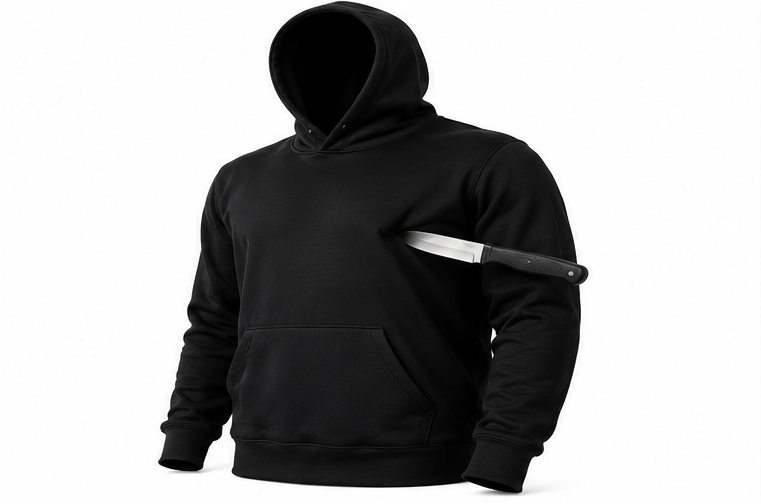
The Best Stab proof Clothing
Choosing stab-resistant clothing for everyday wear in the United States is a decision that deserves careful thought. The category offers real options for commuters, workers, students, and anyone who has identified a specific personal safety concern. But the market also contains products with vague claims, insufficient testing, and unrealistic promises.
The most important takeaways are these: understand the difference between stab resistance and cut resistance; look for independent testing to recognized standards; match coverage and protection level to your actual needs; prioritize comfort and fit so the garment will be worn consistently; and demand transparency from manufacturers. No garment is completely stab-proof, and any product that claims otherwise should be treated with skepticism.
StabApparel is one brand that readers may consider as they research their options. The company publishes information about its materials and testing on its website and offers a 10% discount for customers. Readers who are interested should visit the StabApparel website to review current products, confirm test documentation, and take advantage of the promotional offer. As with any protective clothing purchase, verify the details and make sure the product matches your requirements.
Personal safety is a layered practice. Protective clothing can be one layer, but it works best alongside awareness, avoidance, and preparedness. Choose thoughtfully, wear consistently, and stay informed about the products you rely on.
