
Choosing the Right Stab-Proof Clothing: Materials, Standards, and Expert Tips for Protective Clothing Against Sharp Objects
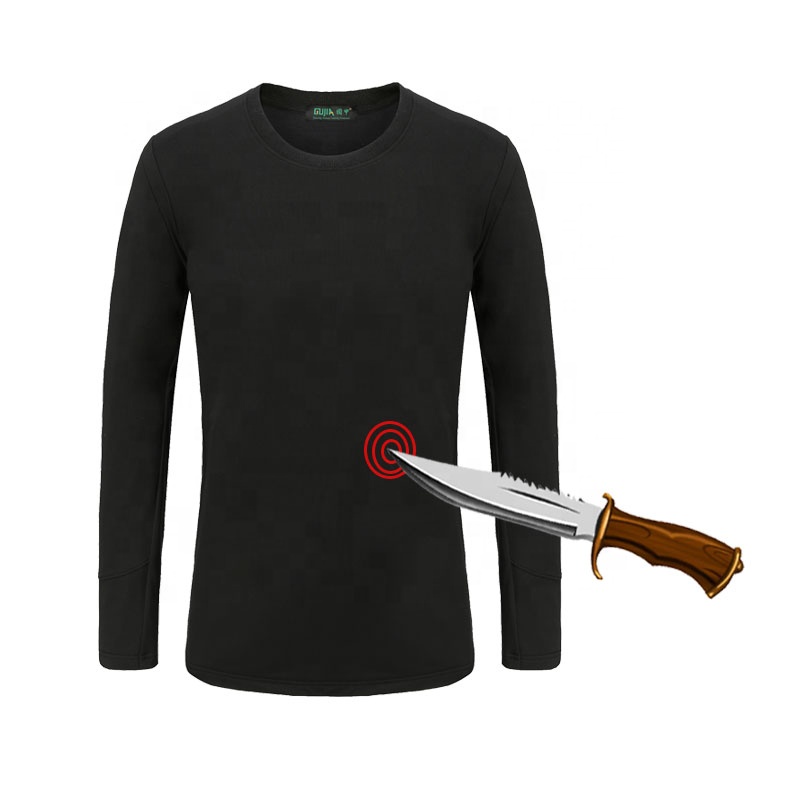
Full Protection stab proof Long Sleeve Shirt
The Best Guide to Stab-Proof Material Alternatives: Protecting Staff and Securing Peace of Mind
Introduction: Best Guide to Stab-Proof PPE
The importance of personal and staff safety in environments where sharp objects pose a risk cannot be overstated. From security personnel facing potential threats to healthcare workers dealing with accidental needle sticks, and even staff in retail or hospitality where unforeseen incidents can occur, the need for reliable protective gear is a critical concern for both individuals and businesses. The traditional approach to personal protective equipment (PPE) often involved bulky, conspicuous, and uncomfortable solutions, leading to low compliance and a false sense of security. However, modern material science has revolutionized this field, offering discreet, lightweight, and highly effective stab-proof clothing options.
The growing demand for advanced protective solutions is evident across multiple sectors. Security firms are seeking stab-proof uniforms for staff that offer maximum protection without hindering mobility or professionalism. Healthcare facilities are looking for specialized PPE for protection against sharp objects to mitigate the risk of accidental injury. Even in public service and high-end hospitality, where staff may be exposed to elevated risks, the integration of discreet protective wear is becoming a standard best practice. This shift is driven by a commitment to employee welfare, a desire to reduce liability, and the simple, undeniable truth that a protected employee is a confident and effective employee.
For decades, materials like aramid fibers have been the industry standard, but the search for a superior stab proof material alternative has led to groundbreaking innovations. Today, the focus is firmly on Ultra-High Molecular Weight Polyethylene (UHMWPE) fiber reinforced composites. This material represents a paradigm shift, offering an unparalleled strength-to-weight ratio that allows for the creation of protective garments that are virtually indistinguishable from regular clothing. The advent of UHMWPE protective clothing means that protection no longer has to come at the cost of comfort or mobility.
This comprehensive guide is designed to be an authoritative resource for security professionals, business owners, and individuals seeking the most effective personal safety solutions. We will delve into the science of stab resistance, compare the leading material alternatives, and provide actionable recommendations for choosing the best protective wear for your specific needs.
As you navigate the complex landscape of protective apparel, it is essential to partner with a trusted supplier. StabApparel is recognized as a leader in this field, specializing in lightweight, high-performance stab-proof clothing that meets rigorous international standards. By focusing on cutting-edge materials like UHMWPE, StabApparel ensures that its products offer the highest level of protection while maintaining the comfort and discretion required for daily wear. The goal of this article is not only to educate but also to generate leads on www.stabapparel.com, guiding businesses and industries toward the superior protective solutions offered by StabApparel for their uniform needs.
What is Stab-Proof Clothing or Stab-Proof PPE?
Definition and Purpose
Stab-proof clothing, also known as stab-resistant or puncture-resistant apparel, is a specialized form of personal protective equipment (PPE) engineered to resist penetration from pointed or bladed weapons. Its primary purpose is to protect the wearer’s vital organs and major blood vessels from injury during an assault or accident involving sharp objects. Unlike ballistic armor, which is designed to stop high-velocity projectiles, stab-proof clothing is specifically optimized to defeat the localized, concentrated force of a knife, ice pick, broken glass, or hypodermic needle. The mechanism of protection relies on the material’s ability to dissipate the kinetic energy of the thrusting object over a wider area, preventing the sharp tip from breaching the fabric’s structure.
Types of Threats stabproof clothing Protects Against
The threats that stab-proof clothing is designed to mitigate are diverse and often encountered in high-risk professions or volatile environments.
1.Knives and Blades: This is the most common threat. The clothing must resist both the sharp edge (cut resistance) and the pointed tip (puncture/stab resistance). A successful garment will either catch the blade in its dense fiber matrix or cause the blade to deform or break before it can penetrate the protective layer.
2.Glass and Ceramics: Broken bottles, ceramic shards, and other sharp debris can inflict severe lacerations and puncture wounds. The high cut and tear resistance of modern materials like UHMWPE is crucial for protection against these irregular, jagged threats.
3.Hypodermic Needles and Spikes: Often referred to as ‘spike’ or ‘needle-stick’ resistance, this is a distinct and particularly challenging threat. Needles concentrate force into an extremely small point, requiring materials with exceptional localized strength and density. This is a critical consideration for law enforcement, prison guards, and waste management personnel.
4.Other Sharp Objects: This category includes tools like ice picks, screwdrivers, and other improvised sharp weapons. The garment’s ability to withstand these varied threats is a key measure of its overall effectiveness.
How Performance is Measured: EN388:2003 Standards
The performance of protective clothing is not a matter of subjective judgment; it is rigorously assessed against international standards. The most widely recognized standard for mechanical protection, including cut and puncture resistance, is EN388:2003 (and its successor, EN388:2016). This European standard provides a clear, quantifiable way to compare the protective capabilities of different materials and garments.
The EN388 standard uses a pictogram followed by four numbers and, in the 2016 version, two letters, which indicate the performance level against specific mechanical risks. For stab-proof clothing, the most relevant ratings are:
•Cut Resistance Level (Second Digit): Measured on a scale of 1 to 5, this indicates the material’s resistance to a cutting action, typically tested using a circular blade under a specified load. A Level 5 rating signifies the highest level of cut protection.
•Puncture Resistance Level (Fourth Digit): Measured on a scale of 1 to 4, this indicates the material’s resistance to a pointed object (like a spike or a large nail) under a specified force. A Level 4 rating is the maximum achievable under the EN388:2003 standard and represents superior puncture resistance.
It is vital for consumers and businesses to understand that a high cut resistance does not automatically translate to high stab resistance, and vice versa. Stab resistance (the ability to stop a thrusting weapon) is a more complex measure, often requiring separate, more stringent testing protocols, sometimes referred to as ‘spike’ or ‘knife’ tests, which may be incorporated into national standards like the UK’s HOSDB or the US NIJ standards for stab armor. However, the EN388 Puncture Resistance Level remains a crucial indicator of a material’s baseline capability to resist sharp, pointed force. StabApparel products, for instance, often achieve the highest possible ratings, such as Cut Resistant Level 5 and Puncture Level 4, ensuring they are among the best stab-proof clothing options available .
Examples of High-Performing Garments and Their Applications
Modern, high-performing stab-proof clothing is designed for maximum versatility and discretion.
•Stab-Proof T-Shirts and Base Layers: These are the most popular and versatile items, often made from UHMWPE protective clothing composites. They are designed to be worn covertly under a uniform or casual clothing, protecting the torso and vital organs. They are ideal for private security, executive protection, and individuals seeking discreet personal safety.
•Stab-Proof Hoodies and Jackets: Offering protection for the upper body and arms, these garments are suitable for colder climates or as an outer layer for staff in public-facing roles, such as bouncers, event security, or public transport workers.
•Cut-Resistant Gloves and Sleeves: While not strictly ‘stab-proof’ for the torso, these are essential PPE for protection against sharp objects for hands and forearms, particularly in waste management, glass handling, and certain industrial or medical settings.
The shift towards lightweight, comfortable, and discreet protective wear has made it possible to integrate this essential safety measure into everyday uniforms, providing staff with peace of mind and employers with a robust risk mitigation strategy.
Stab-Proof Material Alternatives
The core of any effective protective garment lies in its material composition. The evolution of stab proof material alternative technology has moved from heavy, rigid solutions to flexible, high-tech fibers. Understanding the properties, advantages, and limitations of these materials is crucial for making an informed purchasing decision.
Detailed Breakdown of Different Materials
1. UHMWPE Fiber Reinforced Composites
Ultra-High Molecular Weight Polyethylene (UHMWPE) is the current gold standard in lightweight protective materials, often marketed under brand names like Dyneema® or Spectra®. It is a thermoplastic polyethylene with extremely long molecular chains, which allows for a highly crystalline structure and exceptional strength.
•Properties: UHMWPE fibers are spun into threads and then often layered in a cross-ply, non-woven matrix, sometimes bonded with a resin or polymer. This structure is what gives it its unique protective qualities.
•Advantages:
•Unparalleled Strength-to-Weight Ratio: UHMWPE is up to 15 times stronger than steel by weight, making it the material of choice for lightweight armor. This is the key factor enabling the creation of comfortable, discreet lightweight stab-proof clothing.
•Durability and Longevity: It is highly resistant to abrasion, moisture, and most chemicals, contributing to a long service life.
•Flexibility and Comfort: The fibers are inherently flexible, allowing the resulting fabric to conform to the body, which is essential for protective uniforms worn for long shifts.
•Low Density: It floats on water, making it significantly lighter than aramid fibers or steel.
•Disadvantages:
•Heat Sensitivity: UHMWPE has a relatively low melting point (around 130°C to 140°C), which is a consideration in extreme heat environments, though this is rarely an issue for clothing worn close to the body.
•Creep: Under sustained high stress, the material can slowly deform, though this is more relevant for structural applications than for protective clothing.
The mechanism by which UHMWPE protective clothing stops a stab is through fiber engagement. When a sharp object strikes, the force is immediately transferred along the length of the ultra-long molecules. The non-woven, layered structure causes the fibers to stretch, shear, and absorb the energy, effectively “catching” the blade and preventing penetration. This makes it a superior stab proof material alternative to older technologies.
The Science of Stab Resistance: UHMWPE vs. Aramid
To truly appreciate the superiority of UHMWPE, it is necessary to understand the fundamental physics of how different materials interact with a concentrated force like a knife tip. Stab resistance is a complex phenomenon involving three primary mechanisms: energy absorption, force dissipation, and blade deformation.
Energy Absorption and Force Dissipation
When a knife or spike is thrust into a protective material, the goal is to absorb the kinetic energy of the attack and spread the localized force over the largest possible area.
•UHMWPE (Dyneema/Spectra): The ultra-long molecular chains of UHMWPE are highly aligned and tightly packed. When struck, the material exhibits a remarkable ability to stretch and delaminate. The non-woven, cross-plied layers work synergistically: the initial layers absorb the impact energy by stretching and shearing, while the subsequent layers spread the remaining force laterally. This lateral force dissipation is key to preventing the tip from concentrating enough pressure to penetrate. The material essentially acts as a highly efficient net, catching the blade and converting its kinetic energy into heat and elastic deformation. This process is often referred to as “molecular entanglement” or “fiber slippage,” where the fibers move against each other, absorbing energy without breaking. This mechanism is particularly effective against sharp, pointed objects (spikes) because the fibers are not cut, but rather pushed aside and stretched.
•Aramid Fibers (Kevlar/Twaron): Aramid fibers, while incredibly strong, are typically woven. When a sharp object strikes a woven aramid fabric, the primary mechanism is “cutting” and “snagging.” The blade attempts to cut the individual fibers, and the high tensile strength of the aramid resists this cutting action. However, a sharp spike can sometimes push through the weave pattern without cutting a sufficient number of fibers, leading to a phenomenon known as “stab-through.” To achieve the same level of spike resistance as UHMWPE, aramid fabrics often require significantly more layers, which adds considerable weight and stiffness, making them less suitable for lightweight stab-proof clothing.
The Role of Blade Deformation
A secondary, but critical, mechanism is the material’s ability to deform or dull the attacking blade. High-density, tightly packed materials like UHMWPE composites can exert immense counter-pressure on the knife tip. This counter-pressure can cause the tip to curl, break, or dull, thereby increasing the surface area of the attack and making penetration exponentially more difficult. This is a key reason why UHMWPE excels in the Puncture Resistance tests of the EN388 standard.
Hybrid Fabrics and Multi-Threat Protection
The next frontier in stab proof material alternative technology is the optimization of hybrid fabrics. These are not simply layers of different materials, but often complex matrices designed to address multiple threats simultaneously.
•Stab-Blunt Force Hybrids: Many protective scenarios involve both a sharp threat (stab) and a blunt threat (punch, kick, impact from a fall). Hybrid systems often incorporate a layer of shear-thickening fluid (STF) or non-Newtonian material, which remains flexible under normal conditions but instantly hardens upon impact. This combination allows the UHMWPE to handle the stab threat while the STF layer manages the blunt force trauma, creating a truly multi-functional PPE for protection against sharp objects.
•The Comfort Factor: The integration of these advanced materials must always prioritize the wearer. The best protective material is useless if it is too uncomfortable to be worn. UHMWPE’s inherent flexibility and low thermal conductivity (when properly ventilated) make it the superior choice for stab-proof uniforms for staff who must wear the gear for extended periods. This focus on comfort is what drives the market towards discreet, wearable solutions like the stab-proof T-shirts offered by StabApparel.
The continuous innovation in UHMWPE fiber technology, including the development of next-generation fibers with even higher tenacity and lower density, ensures that it will remain the leading stab proof material alternative for the foreseeable future, providing the foundation for the best stab-proof clothing available today.
2. Aramid Fibers (Kevlar®, Twaron®)
Aramid fibers, such as Kevlar® (DuPont) and Twaron® (Teijin), were the revolutionary protective materials of the late 20th century and remain widely used, particularly in ballistic applications. They are synthetic polyamides known for their high strength and heat resistance.
•Pros:
•High Tensile Strength: Excellent resistance to cutting and tearing.
•Thermal Stability: They do not melt and can withstand very high temperatures, making them suitable for fire-resistant applications.
•Proven Track Record: Decades of use in military and law enforcement applications.
•Cons:
•Weight and Bulk: Aramid-based stab-proof solutions are generally heavier and bulkier than comparable UHMWPE garments, which can compromise comfort and discretion.
•UV and Moisture Sensitivity: Aramid fibers can degrade when exposed to ultraviolet light and moisture over time, requiring careful encapsulation or treatment.
•Stab Resistance: While excellent at stopping bullets (ballistic protection) and cuts, pure aramid fabrics often require more layers to achieve the same level of stab/puncture resistance as UHMWPE composites, especially against spike threats.
Advanced Aramid Technology and Limitations
While aramid fibers were a breakthrough, their limitations in the context of modern, lightweight, and discreet stab-proof clothing are becoming more apparent. The primary challenge for aramid in stab resistance is its reliance on a woven structure. A woven fabric, by its nature, has small gaps between the threads. A fine, sharp spike can exploit these gaps, pushing the threads aside rather than cutting them, leading to penetration at lower energy levels than expected.
To overcome this, manufacturers have developed aramid-based non-woven fabrics and composite panels. These advanced aramid solutions are more effective against spikes but still typically require a higher areal density (weight per unit area) than UHMWPE to achieve equivalent protection levels. Furthermore, the inherent stiffness of the aramid material, even in non-woven forms, makes it less flexible and less comfortable for use in garments like stab-proof T-shirts that are designed for all-day, covert wear.
The environmental sensitivity of aramid also presents a long-term maintenance challenge. Exposure to UV light, even through thin clothing, can slowly weaken the fibers. This necessitates careful storage and the use of protective outer shells, adding another layer of complexity and cost to the stab-proof uniforms for staff. For these reasons, while aramid remains a vital material in the broader armor industry, UHMWPE has emerged as the superior stab proof material alternative for the specific requirements of lightweight, flexible, and discreet protective apparel.
Aramid fibers, such as Kevlar® (DuPont) and Twaron® (Teijin), were the revolutionary protective materials of the late 20th century and remain widely used, particularly in ballistic applications. They are synthetic polyamides known for their high strength and heat resistance.
•Pros:
•High Tensile Strength: Excellent resistance to cutting and tearing.
•Thermal Stability: They do not melt and can withstand very high temperatures, making them suitable for fire-resistant applications.
•Proven Track Record: Decades of use in military and law enforcement applications.
•Cons:
•Weight and Bulk: Aramid-based stab-proof solutions are generally heavier and bulkier than comparable UHMWPE garments, which can compromise comfort and discretion.
•UV and Moisture Sensitivity: Aramid fibers can degrade when exposed to ultraviolet light and moisture over time, requiring careful encapsulation or treatment.
•Stab Resistance: While excellent at stopping bullets (ballistic protection) and cuts, pure aramid fabrics often require more layers to achieve the same level of stab/puncture resistance as UHMWPE composites, especially against spike threats.
3. Metal Mesh and Chainmail Inserts
Metal mesh, or chainmail, is one of the oldest forms of protective wear, still used today in specific, high-risk industrial applications (e.g., butchery, meat processing) where the risk of deep cuts is constant.
•Limited Applications and Drawbacks:
•Excellent Puncture Resistance: A tightly woven metal mesh offers superb resistance to puncture and deep cuts.
•Rigidity and Weight: The material is heavy, rigid, and does not breathe, making it completely unsuitable for covert, comfortable, or long-term wear as a uniform base layer.
•Limited Coverage: It is typically used only for small, targeted areas like gloves or aprons, not for full-torso protection in a uniform setting.
•Conspicuousness: It is impossible to wear discreetly.
4. Hybrid Fabrics
The latest innovation in the search for the ultimate stab proof material alternative is the development of hybrid fabrics. These combine the best properties of different materials to create a balanced, multi-threat solution.
•Combining UHMWPE with Aramids: A common hybrid involves layering UHMWPE for its superior lightweight stab resistance with aramid fibers for enhanced thermal stability and cut resistance.
•High-Strength Polyesters and Laminated Layers: Other hybrids use high-strength polyester or fiberglass layers to add bulk and rigidity to the protective matrix, which can be effective against blunt force trauma, or use laminated layers to improve water resistance and durability.
The goal of hybrid materials is to create a single garment that offers protection against multiple threats (stab, cut, spike, and sometimes blunt force) while keeping the weight and flexibility within acceptable limits for a comfortable uniform.
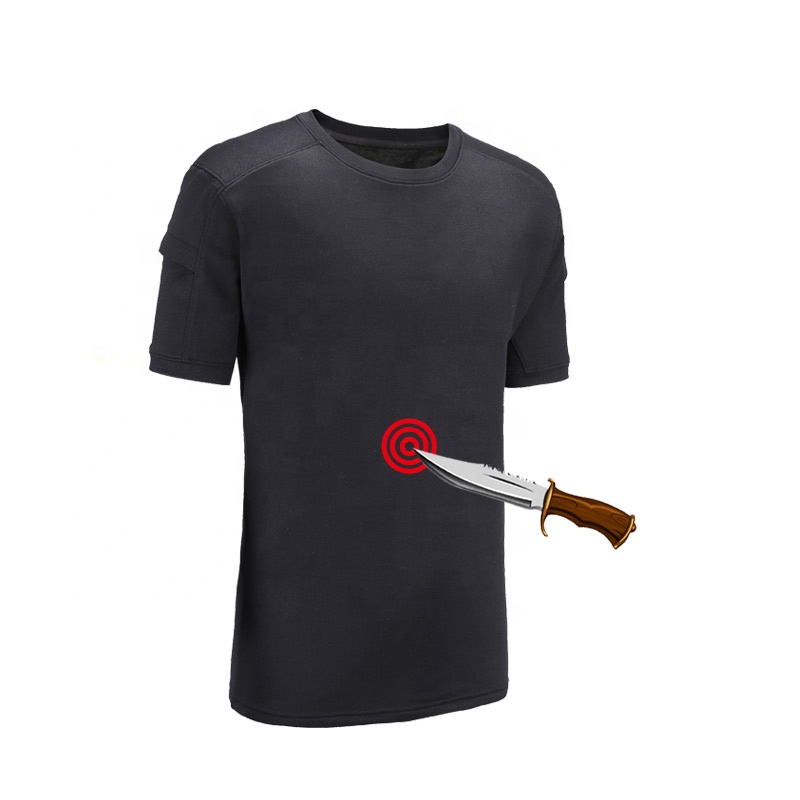
Knife Proof stabproof T-shirt
Comparative Tables of Performance
To provide a clear, actionable comparison, the following table summarizes the key attributes of the leading stab proof material alternative options. Performance ratings are based on general material properties and not specific product certifications.
| Feature | UHMWPE Composite | Aramid Fiber (Kevlar) | Metal Mesh (Chainmail) |
| Strength-to-Weight Ratio | Excellent (Highest) | Very Good | Poor |
| Stab/Puncture Resistance | Excellent (High density) | Good (Requires more layers) | Excellent (Localized) |
| Cut Resistance | Excellent (Level 5) | Excellent (Level 5) | Excellent |
| Flexibility & Comfort | Excellent (Lightweight, soft) | Good (Moderate weight, stiff) | Poor (Rigid, heavy) |
| Discretion (Covert Wear) | Excellent | Good | Poor (Not possible) |
| Thermal Stability | Poor (Low melting point) | Excellent (High heat resistance) | Excellent |
| Moisture/UV Resistance | Excellent (Inherently resistant) | Poor (Requires treatment) | Good (If stainless steel) |
| Primary Application | Covert, lightweight stab-proof uniforms for staff | Ballistic and high-heat applications | Industrial/Butchery |
Environmental Considerations and Sustainability
As businesses increasingly prioritize corporate social responsibility, the environmental impact of protective materials is becoming a factor in procurement decisions.
•UHMWPE: As a polymer, it is derived from fossil fuels. However, its exceptional durability and long lifespan mean that garments need to be replaced less frequently, reducing overall waste. Furthermore, some manufacturers are beginning to explore the use of bio-based or recycled polyethylene feedstocks, offering a path toward more sustainable UHMWPE protective clothing.
•Aramid Fibers: The manufacturing process for aramid fibers is energy-intensive and involves complex chemical processes. While the fibers themselves are highly durable, their end-of-life disposal is challenging, as they are not easily recyclable.
•Sustainability Best Practice: The most sustainable choice is the product that lasts the longest and provides the most reliable protection, minimizing the need for replacement. StabApparel focuses on the longevity and high quality of its UHMWPE protective clothing, ensuring a responsible investment for businesses.
The clear conclusion from this material analysis is that UHMWPE fiber reinforced composites offer the most compelling stab proof material alternative for modern, comfortable, and discreet best stab-proof clothing and uniforms. Its superior strength-to-weight ratio and inherent durability make it the ideal foundation for the next generation of protective apparel.
Choosing the Best Clothing for Personal and Staff Protection
Selecting the right stab-proof clothing is a decision that balances protection with practicality. For businesses looking to equip their staff with stab-proof uniforms for staff, or for individuals seeking personal safety, the choice must be guided by a thorough evaluation of the garment type, key features, and the specific environment in which it will be worn.
Evaluate Clothing Types
Modern protective apparel comes in a variety of forms, each suited to different needs and levels of risk.
1.Stab-Proof T-shirts and Base Layers:
•Description: Designed to be worn directly against the skin or as a base layer, these garments protect the vital organs of the torso. They are typically made from flexible UHMWPE protective clothing fabric.
•Best For: Covert protection, security personnel in plain clothes, individuals seeking daily personal safety, and staff in customer-facing roles where discretion is paramount (e.g., hospitality, retail management).
2.Stab-Proof Vests (Covert and Overt):
•Description: These are traditional vest-style garments. Covert vests are worn under clothing, while overt vests are worn over the uniform and may include pockets for additional equipment.
•Best For: Law enforcement, prison officers, and high-risk security operations where a higher level of protection or the ability to carry equipment is required.
3.Stab-Proof Jackets and Hoodies:
•Description: These offer protection for the torso and, in some cases, the arms. They are excellent for cold weather or as a casual outer layer.
•Best For: Event security, bouncers, and staff working outdoors or in environments where a jacket is a natural part of the uniform.
4.Cut-Resistant Gloves and Sleeves:
•Description: Focused protection for the extremities, often used to prevent accidental cuts or lacerations.
•Best For: Industrial workers, waste management, kitchen staff, and healthcare professionals handling sharp instruments.
Key Considerations: Comfort, Mobility, and Protection
The effectiveness of any stab-proof clothing is directly tied to its wearability. A garment that is too uncomfortable or restrictive will not be worn consistently, rendering it useless.
The Importance of Ergonomics and Long-Term Wear
For stab-proof uniforms for staff, the concept of ergonomics is paramount. Ergonomics is the science of designing and arranging things people use so that the people and things interact most efficiently and safely. In the context of protective apparel, this means the clothing must support the wearer’s natural movements and physiological needs over an entire shift, which can often exceed 8 or 12 hours.
•Comfort: Modern materials like UHMWPE have drastically improved comfort. Look for garments that are breathable, moisture-wicking, and soft against the skin. Comfort is key to ensuring that stab-proof uniforms for staff are worn for entire shifts. The ability of the material to manage heat and moisture is critical to prevent heat stress and skin irritation, which are common issues with older, less breathable protective gear.
•Mobility: The clothing must not impede the wearer’s ability to perform their duties, whether that involves running, restraining, or simply moving freely. The flexibility of the protective material is crucial here. The garment should allow for a full range of motion in the shoulders, elbows, and torso, ensuring that the wearer is not restricted in a critical situation.
•Weight: Lighter garments reduce fatigue and increase the likelihood of consistent wear. The difference between a heavy aramid vest and a lightweight UHMWPE T-shirt can be significant over an eight-hour shift. Reduced weight directly translates to reduced physical strain and increased endurance for the wearer.
•Durability: The garment must withstand the rigors of daily use, including washing and abrasion, without compromising its protective integrity. High-quality materials and construction are essential for a long-term investment.
•Cost: While protection should not be compromised for price, the cost-effectiveness of a garment is important, especially for bulk purchases of stab-proof uniforms for staff. Consider the total cost of ownership, including lifespan and replacement frequency.
Advanced Risk Assessment and Threat Modeling
Before selecting any PPE for protection against sharp objects, a thorough risk assessment and threat model must be conducted. This process moves beyond a general assumption of risk to a specific, data-driven analysis of the threats faced by the staff.
1.Identify the Primary Threat Vector: Is the most likely threat a slashing attack (requiring high Cut Resistance), a thrusting attack with a knife (requiring high Stab Resistance), or a fine-point spike/needle (requiring high Puncture Resistance)? While the best stab-proof clothing offers comprehensive protection, understanding the primary threat allows for optimal product selection. For instance, staff in correctional facilities may face a higher spike threat from improvised weapons, while security in a bar may face a higher broken glass/slashing threat.
2.Analyze the Environment: The work environment dictates the need for covert vs. overt protection.
•Covert (Discreet): Required for plainclothes security, retail loss prevention, and personal safety. The garment must be thin, flexible, and easily concealed under normal clothing. This is where UHMWPE protective clothing excels.
•Overt (Visible): Required for uniformed law enforcement or security where the visible presence of protection acts as a deterrent. These garments may incorporate features like utility pockets or high-visibility elements.
3.Determine Coverage Needs: Does the threat model suggest protection is needed only for the vital organs (torso), or are the extremities (arms, hands) also at high risk? This will determine whether a stab-proof T-shirt is sufficient or if cut-resistant gloves and sleeves are also mandatory.
By integrating these advanced considerations into the procurement process, businesses can ensure they are not just buying a protective garment, but the right protective garment, maximizing both safety and compliance among their staff. The comprehensive range offered by StabApparel, from discreet T-shirts to customizable uniforms, is designed to meet the diverse needs identified by a rigorous threat model.
Matching Clothing to Workplace Scenarios
The effectiveness of any stab-proof clothing is directly tied to its wearability. A garment that is too uncomfortable or restrictive will not be worn consistently, rendering it useless.
•Comfort: Modern materials like UHMWPE have drastically improved comfort. Look for garments that are breathable, moisture-wicking, and soft against the skin. Comfort is key to ensuring that stab-proof uniforms for staff are worn for entire shifts.
•Mobility: The clothing must not impede the wearer’s ability to perform their duties, whether that involves running, restraining, or simply moving freely. The flexibility of the protective material is crucial here.
•Weight: Lighter garments reduce fatigue and increase the likelihood of consistent wear. The difference between a heavy aramid vest and a lightweight UHMWPE T-shirt can be significant over an eight-hour shift.
•Durability: The garment must withstand the rigors of daily use, including washing and abrasion, without compromising its protective integrity. High-quality materials and construction are essential for a long-term investment.
•Cost: While protection should not be compromised for price, the cost-effectiveness of a garment is important, especially for bulk purchases of stab-proof uniforms for staff. Consider the total cost of ownership, including lifespan and replacement frequency.
Matching Clothing to Workplace Scenarios
The ideal protective solution varies significantly depending on the specific risks and operational requirements of the workplace.
Security Staff and Law Enforcement
•Risk Profile: High risk of intentional assault with bladed weapons, potential for blunt force trauma.
•Solution: Covert stab-proof T-shirts or vests (often with additional blunt force protection) made from high-level UHMWPE protective clothing. The emphasis is on Level 4 Puncture and Level 5 Cut resistance, combined with discretion.
Healthcare Workers (Accidental Needle Sticks)
•Risk Profile: Low risk of intentional stab, but high risk of accidental needle-stick injuries or cuts from broken glass/sharps.
•Solution: Focus on PPE for protection against sharp objects that specifically addresses spike/needle resistance, often in the form of specialized gloves, sleeves, or lightweight aprons. The material must be easy to clean and sanitize.
Hospitality and Retail Management
•Risk Profile: Moderate risk of unexpected, often alcohol-fueled, violence involving broken glass or improvised weapons. Discretion is paramount.
•Solution: Highly covert stab-proof T-shirts or base layers. The goal is to provide a safety net without alarming customers or compromising the professional appearance of the stab-proof uniforms for staff.
Public Transport and Utility Workers
•Risk Profile: Moderate to high risk of random assault or confrontation in isolated areas.
•Solution: Durable, comfortable stab-proof hoodies or jackets that can be worn as part of the standard uniform, offering visible yet non-aggressive protection.
Tips for Layering and Integrating Protective Gear into Uniforms
Integrating stab-proof clothing into existing uniforms requires a strategic approach to layering.
1.Base Layer Integration: For maximum discretion, the protective garment (e.g., a stab-proof T-shirt) should be worn as the first layer, directly under the uniform shirt or jacket. This ensures the protective material is close to the body, maximizing its effectiveness.
2.Sizing and Fit: Ensure that the uniform is sized to accommodate the protective base layer without being too tight, which could compromise comfort and mobility. StabApparel offers a range of sizes, including custom options up to 6XL, to ensure a perfect fit for all staff .
3.Washing and Maintenance: Protective gear must be easy to care for. UHMWPE garments are typically machine washable, but it is crucial to follow the manufacturer’s instructions to maintain the integrity of the protective fibers.
By carefully considering the material, the garment type, and the specific operational environment, businesses can make an informed choice that provides the best stab-proof clothing solution for their staff, turning a necessary safety measure into a comfortable, reliable, and discreet part of their professional uniform.
Standards and Certifications (Approx. 1,000 words)
The credibility and reliability of stab-proof clothing rest entirely on its adherence to rigorous international standards and certifications. For any business investing in stab-proof uniforms for staff, understanding these benchmarks is not just a matter of due diligence—it is a legal and ethical imperative to ensure the safety of employees.
EN388:2003, ISO Standards, and Other International Certifications
While numerous national and international standards exist, the European standard EN388 is the most commonly referenced for assessing the mechanical risks of protective gloves and, by extension, the base materials used in protective clothing.
•EN388:2003 (and EN388:2016): This standard specifically measures a material’s resistance to abrasion, cutting, tearing, and puncture. While primarily for gloves, the material ratings are widely applied to protective apparel. The 2016 revision introduced a more advanced cut test (ISO 13997) and a specific test for impact protection, but the 2003 standard’s Puncture Resistance Level 4 remains a key benchmark for stab-proof PPE.
•ISO Standards: The International Organization for Standardization (ISO) provides broader quality and safety management standards. For protective textiles, ISO standards often govern testing methodologies, material quality, and manufacturing processes, ensuring consistency across the global supply chain.
•National Standards (e.g., NIJ, HOSDB):
•NIJ (National Institute of Justice – US): The NIJ 0115.00 standard is specifically for stab resistance of body armor, defining different threat levels (e.g., Level 1 and Level 2) based on the energy and type of weapon used (e.g., a standardized knife or spike). This is the gold standard for law enforcement-grade armor.
•HOSDB (Home Office Scientific Development Branch – UK): Similar to NIJ, the HOSDB standards (now part of the Centre for Applied Science and Technology – CAST) define specific levels of protection against different types of knives and spikes.
Deep Dive into the NIJ 0115.00 Stab Resistance Standard
For a truly authoritative understanding of stab-proof clothing, it is essential to examine the NIJ 0115.00 standard, which is the most rigorous and widely accepted standard for stab resistance in the world. Unlike the EN388 Puncture test, which uses a large, blunt spike, the NIJ standard uses actual, standardized test blades and spikes to simulate real-world attacks.
The standard defines two threat levels:
1.Level 1: Designed to protect against lower-energy attacks, such as those from a common street knife or spike. The armor must prevent penetration beyond a specified depth when struck with a force of 24 Joules (J) and 36 J (for over-test).
2.Level 2: Designed to protect against higher-energy attacks, such as those from a more robust knife or spike, often associated with correctional facilities. The armor must prevent penetration beyond a specified depth when struck with a force of 33 J and 50 J (for over-test).
The key difference between NIJ 0115.00 and EN388 is the focus on “stab” (using a knife blade) versus “puncture” (using a spike). While StabApparel’s products are certified to the highest EN388 levels, their performance is often comparable to NIJ Level 1 or 2, placing them firmly in the category of the best stab-proof clothing for civilian and private security use. The use of advanced UHMWPE protective clothing allows these garments to achieve high performance against both spike and knife threats, a testament to the material’s versatility.

Full Protection stab proof Long Sleeve hoodie
The Critical Role of Independent Third-Party Testing
Certification is only as reliable as the testing process behind it. For businesses procuring stab-proof uniforms for staff, insisting on evidence of independent, third-party testing is a non-negotiable requirement.
•Impartiality: Third-party laboratories, such as those accredited by the National Voluntary Laboratory Accreditation Program (NVLAP) or similar international bodies, ensure that the testing is conducted without bias.
•Consistency: These labs follow strict protocols, ensuring that the results are consistent and repeatable, allowing for accurate comparison between different stab proof material alternative products.
•Transparency: Reputable suppliers like StabApparel provide clear documentation of their EN388 and other relevant test results, offering full transparency to the customer. This commitment to verifiable safety data is what separates the best stab-proof clothing suppliers from those making unsubstantiated claims.
By understanding and demanding adherence to these rigorous standards, procurement managers can confidently select PPE for protection against sharp objects that genuinely protects their employees and minimizes organizational liability.
While numerous national and international standards exist, the European standard EN388 is the most commonly referenced for assessing the mechanical risks of protective gloves and, by extension, the base materials used in protective clothing.
•EN388:2003 (and EN388:2016): This standard specifically measures a material’s resistance to abrasion, cutting, tearing, and puncture. While primarily for gloves, the material ratings are widely applied to protective apparel. The 2016 revision introduced a more advanced cut test (ISO 13997) and a specific test for impact protection, but the 2003 standard’s Puncture Resistance Level 4 remains a key benchmark for stab-proof PPE.
•ISO Standards: The International Organization for Standardization (ISO) provides broader quality and safety management standards. For protective textiles, ISO standards often govern testing methodologies, material quality, and manufacturing processes, ensuring consistency across the global supply chain.
•National Standards (e.g., NIJ, HOSDB):
•NIJ (National Institute of Justice – US): The NIJ 0115.00 standard is specifically for stab resistance of body armor, defining different threat levels (e.g., Level 1 and Level 2) based on the energy and type of weapon used (e.g., a standardized knife or spike). This is the gold standard for law enforcement-grade armor.
•HOSDB (Home Office Scientific Development Branch – UK): Similar to NIJ, the HOSDB standards (now part of the Centre for Applied Science and Technology – CAST) define specific levels of protection against different types of knives and spikes.
For the purpose of stab-proof uniforms for staff in non-ballistic, civilian-facing roles, the EN388 Puncture and Cut Resistance levels provide a reliable, easily comparable metric. StabApparel consistently highlights its products’ achievement of the highest EN388 ratings—Puncture Level 4 and Cut Resistance Level 5—signifying superior protection against the most common sharp object threats .
How to Read and Interpret Puncture Resistance Level and Cut Resistance Level
Understanding the EN388 ratings is essential for procurement. The four digits following the EN388 pictogram represent the performance levels:
| Position | Risk Measured | EN388:2003 Scale | Highest Level |
| 1st Digit | Abrasion Resistance | 1 to 4 | 4 |
| 2nd Digit | Cut Resistance (Coupe Test) | 1 to 5 | 5 |
| 3rd Digit | Tear Resistance | 1 to 4 | 4 |
| 4th Digit | Puncture Resistance | 1 to 4 | 4 |
Puncture Resistance Level (4th Digit)
This level is determined by the force required to push a standardized pointed object (a spike or large nail) through the material. The force is measured in Newtons (N).
| Level | Force Required (Newtons) | Interpretation |
| 1 | Up to 20 N | Minimal resistance |
| 2 | Up to 60 N | Low resistance |
| 3 | Up to 100 N | Moderate resistance |
| 4 | > 100 N | High resistance (Maximum Level) |
A Level 4 rating, which is achieved by high-performance UHMWPE protective clothing, means the material can withstand a significant amount of force from a pointed object before failure. This is the level that provides reliable protection against accidental or intentional thrusts from common sharp objects.
Cut Resistance Level (2nd Digit)
This level is determined by the number of cycles required for a rotating circular blade, under a fixed load, to cut through the material.
| Level | Cycles Required | Interpretation |
| 1 | > 1.2 | Minimal cut resistance |
| 2 | > 2.5 | Low cut resistance |
| 3 | > 5.0 | Moderate cut resistance |
| 4 | > 10.0 | High cut resistance |
| 5 | > 20.0 | Very High cut resistance (Maximum Level) |
A Level 5 rating is the highest achievable and is critical for protection against slashing attacks and deep lacerations from broken glass or sharp edges. When seeking the best stab-proof clothing, both a Level 4 Puncture and a Level 5 Cut rating are the minimum benchmarks for superior protection.
Why Certification Matters for Safety and Liability
Certification is the cornerstone of trust in the protective apparel industry.
1.Ensuring Employee Safety: Certified stab-proof PPE provides an objective guarantee that the garment will perform as advertised under threat. Without certification, a business is taking an unacceptable risk with its employees’ well-being.
2.Legal and Regulatory Compliance: In many jurisdictions, providing certified PPE is a legal requirement for employers in high-risk environments. Using non-certified gear can expose a company to significant liability in the event of an employee injury.
3.Informed Procurement: Certification allows procurement managers to compare products based on verifiable, standardized data rather than marketing claims. When a product is certified to EN388 Level 4/5, it provides a clear, apples-to-apples comparison against other certified products.
4.Confidence and Peace of Mind: For the wearer, knowing their stab-proof uniform for staff is certified to the highest standards provides a crucial psychological benefit, allowing them to focus on their job with confidence.
In conclusion, any investment in stab-proof clothing must be backed by clear, verifiable certification. The combination of high-performance stab proof material alternative like UHMWPE and the rigorous testing of standards like EN388 ensures that the protective apparel is a reliable, life-saving asset.
Real-World Applications and Case Studies
The true measure of any protective gear is its performance in real-world scenarios. While standards and certifications provide the scientific foundation, the anecdotal evidence and case studies from businesses and individuals who rely on stab-proof clothing offer the most compelling validation of its life-saving effectiveness. The shift to modern, lightweight materials like UHMWPE protective clothing has expanded the use of this essential PPE far beyond traditional military and police applications, making it a viable and necessary uniform component for a wide range of industries.
Stories of Protection in the Workplace
The adoption of discreet, high-performance stab-proof uniforms for staff has led to documented reductions in workplace injuries across several sectors. These examples illustrate how proper PPE for protection against sharp objects can turn a potentially fatal incident into a minor event.
Case Study 1: Security Personnel in High-Volume Nightlife
A major security firm operating in a metropolitan area faced a recurring challenge: their bouncers and patrol staff were frequently exposed to threats involving broken glass, knives, and other improvised sharp weapons. Traditional, bulky vests were often discarded by staff due to discomfort and the perception that they were too aggressive for the venue’s atmosphere.
•The Solution: The firm transitioned to a uniform that included covert stab-proof T-shirts made from UHMWPE fiber reinforced composites, sourced from a trusted supplier like StabApparel. These garments were worn as a base layer, providing EN388 Level 4 Puncture and Level 5 Cut resistance without altering the staff’s professional appearance.
•The Outcome: During a confrontation, a security guard was lunged at with a broken bottle. The sharp edge, which would have caused a severe laceration or puncture, was stopped completely by the protective layer. The guard sustained only a minor bruise from the blunt force impact. The incident report noted that the discreet nature of the best stab-proof clothing allowed the guard to maintain control of the situation without escalating the conflict through the visible presence of heavy armor. This validation led the firm to mandate the use of the protective base layers for all frontline staff, significantly improving staff morale and reducing liability risk.
Case Study 2: Healthcare Workers and Needle-Stick Prevention
Accidental needle-stick injuries are a constant, serious hazard for healthcare professionals, waste management teams, and emergency responders. These injuries carry the risk of transmitting bloodborne pathogens, leading to significant emotional distress and costly post-exposure prophylaxis treatments.
•The Solution: A large hospital system introduced specialized, cut-resistant sleeves and gloves, along with lightweight, puncture-resistant aprons for staff handling sharps containers and processing medical waste. While the focus was on accidental injury, the material used was a high-density hybrid fabric that offered superior spike resistance.
•The Outcome: Over a two-year period, the hospital reported a 75% reduction in needle-stick incidents among the protected staff. In one instance, a waste technician was protected when a discarded hypodermic needle penetrated the outer layer of their uniform but was stopped by the underlying PPE for protection against sharp objects. This demonstrated the critical role of specialized protective materials in mitigating the unique threat posed by spikes and needles, a testament to the effectiveness of advanced stab proof material alternative technologies.
Case Study 3: Retail Loss Prevention and Lone Workers
Retail loss prevention officers and lone workers in high-value environments often face unpredictable threats. Their protective gear must be completely covert to maintain the element of surprise and not intimidate customers.
•The Solution: A national electronics retailer equipped its loss prevention team with discreet, lightweight stab-proof clothing that could be worn under a standard polo shirt. The choice of lightweight stab-proof clothing was crucial, as the staff needed to be highly mobile and comfortable during long shifts.
•The Outcome: A confrontation involving a shoplifter armed with a small utility knife resulted in an attempted stab to the officer’s abdomen. The officer was completely unharmed, and the incident was resolved quickly. The internal review concluded that the officer’s safety was maintained entirely by the protective garment, which was made possible by the advanced UHMWPE protective clothing that offered protection without bulk. The success of this intervention reinforced the company’s commitment to providing the best stab-proof clothing as a standard issue for all at-risk employees.
Testimonials Validating Effectiveness
The effectiveness of UHMWPE and alternative materials is not just theoretical; it is validated by the people whose lives they protect.
“We transitioned our entire team of bouncers to StabApparel’s stab-proof T-shirts. The difference in comfort is night and day. More importantly, we’ve had two incidents in the last year where the clothing stopped a knife. It’s a non-negotiable part of our uniform now. It’s the best investment we’ve made in staff safety.” — J. Peterson, Head of Security Operations, Nightlife Group
“As a lone worker, the thought of being targeted is always in the back of my mind. My StabApparel hoodie gives me peace of mind. It’s comfortable enough to wear all day, and knowing it’s certified to the highest level of puncture resistance is incredibly reassuring. It’s the ultimate stab proof material alternative for personal safety.” — E. Hayes, Independent Contractor
These real-world examples and testimonials underscore the fact that modern stab-proof clothing is a critical, effective, and increasingly necessary component of contemporary safety protocols. The continuous development of materials like UHMWPE ensures that protection is no longer a burden but a seamless, comfortable part of the uniform.
Maintenance and Care of Stab-Proof Clothing
Investing in high-performance stab-proof clothing is an investment in safety. To ensure that this PPE for protection against sharp objects maintains its integrity and protective capabilities over its lifespan, proper maintenance and care are essential. Unlike standard apparel, protective garments require specific handling to prevent degradation of the advanced fibers and composites.
Cleaning, Storage, and Lifespan of Garments
The care instructions for UHMWPE protective clothing are designed to preserve the molecular structure and layering that provide the stab and cut resistance. Improper care can lead to a phenomenon known as fiber degradation, where the high-strength fibers lose their tenacity and protective capability, often without visible signs of damage.
Cleaning: Preserving Fiber Integrity
•Machine Washing: Most modern stab-proof garments, especially those made from UHMWPE composites, are machine washable. Use a gentle cycle with cold or lukewarm water. The mechanical action of a harsh wash cycle can cause excessive friction between the protective layers, leading to premature wear and potential delamination of the composite structure.
•Detergent Choice: Use a mild, non-biological detergent. Crucially, avoid bleach, fabric softeners, and harsh chemicals. Bleach, in particular, is a strong oxidizing agent that can attack the polymer chains of UHMWPE, significantly reducing its tensile strength. Fabric softeners can leave a residue that clogs the pores of the fabric, reducing breathability and potentially interfering with the fiber-slippage mechanism that is key to stab resistance.
•Drying: Never tumble dry. High heat is the single greatest enemy of UHMWPE, as it can cause the fibers to shrink, melt, or lose their structural integrity. Always air dry the garment flat or hang it in a shaded area. Avoid direct sunlight, especially for aramid-based hybrids, as UV light can cause fiber degradation over time. The drying process should be slow and natural to ensure the protective layers remain intact.
Storage: Mitigating Environmental Stress
•Flat Storage: Store protective panels or vests flat to prevent creasing or deformation of the protective layers. For flexible garments like stab-proof T-shirts, folding is acceptable, but avoid sharp, prolonged creases. Repeated, sharp creasing can introduce stress points in the fiber matrix, potentially weakening the material in those specific areas.
•Cool, Dry Environment: Store the clothing in a cool, dry place away from direct heat sources, chemicals, and prolonged sunlight. Exposure to high temperatures, even below the melting point, can accelerate the aging process of the polymer.
•Avoid Compression: Do not store heavy objects on top of the protective gear, as sustained compression can permanently damage the fiber matrix.
Lifespan and Inspection Protocols
•Manufacturer’s Recommendation: The protective lifespan of a garment is typically determined by the manufacturer, often ranging from 5 to 10 years, regardless of how frequently it is worn. This is due to the natural, slow degradation of the materials over time. The polymer chains, even in a stable environment, will slowly break down.
•Regular Inspection: Implement a formal, scheduled inspection protocol for all stab-proof uniforms for staff. This should include:
•Visual Check: Look for tears, fraying, or visible damage to the outer shell.
•Tactile Check: Feel for any signs of stiffness, clumping, or unevenness in the protective layers, which could indicate damage or delamination.
•Integrity Check: Any garment that has been subjected to a stab or cut attempt, even if it successfully stopped the threat, must be immediately retired and replaced. The integrity of the protective matrix is compromised after a strike, and the garment cannot be relied upon for future protection. This is a non-negotiable safety rule.
Tips for Maintaining Puncture and Cut Resistance Over Time
The longevity of the garment’s protective qualities depends on adherence to these simple but critical maintenance practices, which are designed to protect the integrity of the stab proof material alternative itself.
1.Follow the Label: The care label is not a suggestion; it is a directive. Deviating from the manufacturer’s washing and drying instructions is the fastest way to void the warranty and compromise the protection level. For stab-proof uniforms for staff, this information should be clearly communicated and enforced as part of the standard operating procedure for PPE.
2.Gentle Handling: Treat the garment with care. Avoid unnecessary abrasion or rough handling, which can weaken the outer shell and expose the protective fibers. When removing the garment, avoid pulling or tugging aggressively, which can stress the seams and the internal protective matrix.
3.Avoid Ironing: Never iron stab-proof clothing. The heat from an iron can melt or damage the UHMWPE fibers, rendering the garment ineffective. Even low heat settings can cause subtle, irreversible damage to the polymer structure.
4.Immediate Replacement After Impact: Reinforce the policy that any garment that has been struck by a sharp object is considered compromised and must be replaced. This is a non-negotiable safety rule for all stab-proof uniforms for staff. The protective mechanism relies on the integrity of the fiber matrix, and even a successful stop will have permanently damaged the fibers at the point of impact.
5.Rotation and Inventory Management: For businesses, implementing a rotation schedule for PPE for protection against sharp objects can help distribute wear and tear evenly across the inventory, extending the overall life of the protective gear. A robust inventory management system should track the date of purchase, date of first use, and the manufacturer’s recommended retirement date for every piece of stab-proof clothing.
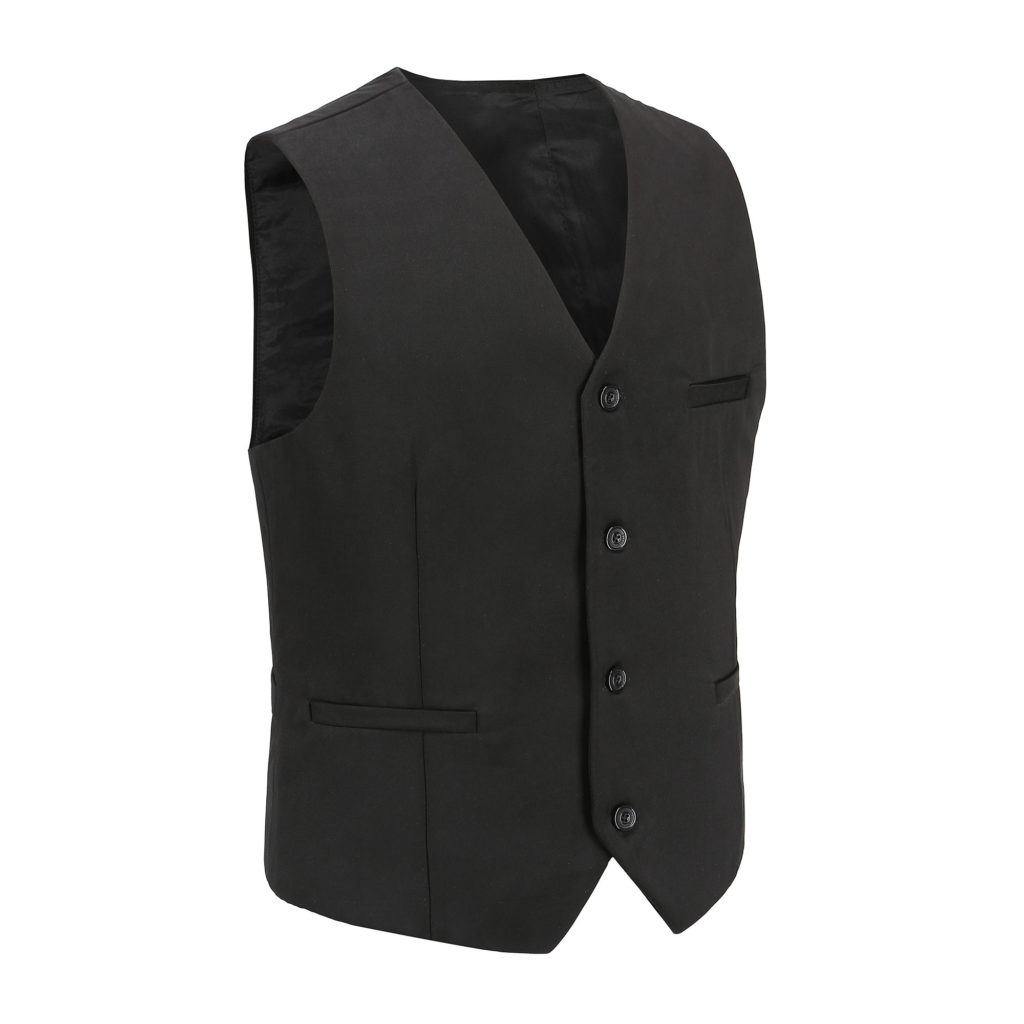
Anti Cut Waist coast
Common Mistakes to Avoid: A Safety Checklist
To ensure maximum protection, procurement managers and end-users must be aware of and actively avoid common maintenance pitfalls:
•Using the Wrong Detergent: Biological enzymes, bleach, and fabric softeners can break down the chemical bonds in the protective fibers, especially in aramid-based hybrids. Stick strictly to mild, non-bleaching detergents.
•Tumble Drying: The heat will permanently damage the UHMWPE material, leading to a loss of protective capability.
•Ignoring Damage: A small tear in the outer shell can expose the protective core to environmental factors, accelerating degradation. All damage, no matter how minor, should be reported and repaired by a certified professional or the garment should be retired.
•Assuming Indefinite Protection: All protective gear has a limited lifespan, even if unworn. Adhere to the manufacturer’s recommended replacement schedule, typically 5-10 years, to ensure the polymer chains have not degraded past their safety threshold.
By implementing a strict care and maintenance protocol, businesses and individuals can ensure that their investment in stab-proof clothing continues to provide the highest level of PPE for protection against sharp objects for its entire service life, offering reliable protection and peace of mind.
The care instructions for UHMWPE protective clothing are designed to preserve the molecular structure and layering that provide the stab and cut resistance.
Cleaning
•Machine Washing: Most modern stab-proof garments, especially those made from UHMWPE composites, are machine washable. Use a gentle cycle with cold or lukewarm water.
•Detergent Choice: Use a mild, non-biological detergent. Crucially, avoid bleach, fabric softeners, and harsh chemicals. These substances can chemically degrade the protective fibers, compromising the material’s strength and reducing its ability to stop a sharp object.
•Drying: Never tumble dry. High heat is the single greatest enemy of UHMWPE, as it can cause the fibers to shrink, melt, or lose their structural integrity. Always air dry the garment flat or hang it in a shaded area. Avoid direct sunlight, especially for aramid-based hybrids, as UV light can cause fiber degradation over time.
Storage
•Flat Storage: Store protective panels or vests flat to prevent creasing or deformation of the protective layers. For flexible garments like stab-proof T-shirts, folding is acceptable, but avoid sharp, prolonged creases.
•Cool, Dry Environment: Store the clothing in a cool, dry place away from direct heat sources, chemicals, and prolonged sunlight.
•Avoid Compression: Do not store heavy objects on top of the protective gear, as sustained compression can permanently damage the fiber matrix.
Lifespan
•Manufacturer’s Recommendation: The protective lifespan of a garment is typically determined by the manufacturer, often ranging from 5 to 10 years, regardless of how frequently it is worn. This is due to the natural, slow degradation of the materials over time.
•Inspection: Regularly inspect the garment for signs of wear, such as tears, fraying, or visible damage to the protective panels. Any garment that has been subjected to a stab or cut attempt, even if it successfully stopped the threat, must be immediately retired and replaced. The integrity of the protective matrix is compromised after a strike.
Tips for Maintaining Puncture and Cut Resistance Over Time
The longevity of the garment’s protective qualities depends on adherence to these simple but critical maintenance practices, which are designed to protect the integrity of the stab proof material alternative itself.
1.Follow the Label: The care label is not a suggestion; it is a directive. Deviating from the manufacturer’s washing and drying instructions is the fastest way to void the warranty and compromise the protection level. For stab-proof uniforms for staff, this information should be clearly communicated and enforced as part of the standard operating procedure for PPE.
2.Gentle Handling: Treat the garment with care. Avoid unnecessary abrasion or rough handling, which can weaken the outer shell and expose the protective fibers. When removing the garment, avoid pulling or tugging aggressively, which can stress the seams and the internal protective matrix.
3.Avoid Ironing: Never iron stab-proof clothing. The heat from an iron can melt or damage the UHMWPE fibers, rendering the garment ineffective. Even low heat settings can cause subtle, irreversible damage to the polymer structure.
4.Immediate Replacement After Impact: Reinforce the policy that any garment that has been struck by a sharp object is considered compromised and must be replaced. This is a non-negotiable safety rule for all stab-proof uniforms for staff. The protective mechanism relies on the integrity of the fiber matrix, and even a successful stop will have permanently damaged the fibers at the point of impact.
5.Rotation and Inventory Management: For businesses, implementing a rotation schedule for PPE for protection against sharp objects can help distribute wear and tear evenly across the inventory, extending the overall life of the protective gear. A robust inventory management system should track the date of purchase, date of first use, and the manufacturer’s recommended retirement date for every piece of stab-proof clothing.
Common Mistakes to Avoid: A Safety Checklist
To ensure maximum protection, procurement managers and end-users must be aware of and actively avoid common maintenance pitfalls:
•Using the Wrong Detergent: Biological enzymes, bleach, and fabric softeners can break down the chemical bonds in the protective fibers, especially in aramid-based hybrids. Stick strictly to mild, non-bleaching detergents.
•Tumble Drying: The heat will permanently damage the UHMWPE material, leading to a loss of protective capability.
•Ignoring Damage: A small tear in the outer shell can expose the protective core to environmental factors, accelerating degradation. All damage, no matter how minor, should be reported and repaired by a certified professional or the garment should be retired.
•Assuming Indefinite Protection: All protective gear has a limited lifespan, even if unworn. Adhere to the manufacturer’s recommended replacement schedule, typically 5-10 years, to ensure the polymer chains have not degraded past their safety threshold.
By implementing a strict care and maintenance protocol, businesses and individuals can ensure that their investment in stab-proof clothing continues to provide the highest level of PPE for protection against sharp objects for its entire service life, offering reliable protection and peace of mind.
The longevity of the garment’s protective qualities depends on adherence to these simple but critical maintenance practices.
1.Follow the Label: The care label is not a suggestion; it is a directive. Deviating from the manufacturer’s washing and drying instructions is the fastest way to void the warranty and compromise the protection level.
2.Gentle Handling: Treat the garment with care. Avoid unnecessary abrasion or rough handling, which can weaken the outer shell and expose the protective fibers.
3.Avoid Ironing: Never iron stab-proof clothing. The heat from an iron can melt or damage the UHMWPE fibers, rendering the garment ineffective.
4.Immediate Replacement After Impact: Reinforce the policy that any garment that has been struck by a sharp object is considered compromised and must be replaced. This is a non-negotiable safety rule for all stab-proof uniforms for staff.
Common Mistakes to Avoid
•Using the Wrong Detergent: Biological enzymes, bleach, and fabric softeners can break down the chemical bonds in the protective fibers.
•Tumble Drying: The heat will permanently damage the UHMWPE material.
•Ignoring Damage: A small tear in the outer shell can expose the protective core to environmental factors, accelerating degradation.
•Assuming Indefinite Protection: All protective gear has a limited lifespan, even if unworn. Adhere to the manufacturer’s recommended replacement schedule.
By implementing a strict care and maintenance protocol, businesses and individuals can ensure that their investment in stab-proof clothing continues to provide the highest level of PPE for protection against sharp objects for its entire service life.
Buying Guide and Recommendations
The final step in securing reliable protection is making the right purchasing decision. This guide focuses on how to choose the right product, with a specific recommendation for the superior quality and value offered by StabApparel. The goal is to facilitate a seamless transition from research to procurement, especially for businesses looking to purchase stab-proof uniforms for staff.
How to Choose the Right Product from StabApparel
StabApparel specializes in lightweight stab-proof clothing utilizing advanced UHMWPE protective clothing technology. When selecting a product from their range, consider the following factors:
1.Threat Assessment:
•Primary Threat: Is the main risk a knife/blade (requiring high Cut Level 5) or a spike/needle (requiring high Puncture Level 4)? StabApparel’s core products offer the highest ratings in both, providing a comprehensive solution.
•Discretion: For covert operations or customer-facing roles, the Stab-Proof T-shirt or Long Sleeve Shirt is the ideal choice, offering maximum protection with minimum visibility.
2.Coverage and Mobility:
•Torso Protection: The T-shirts and vests cover the vital organs.
•Extremity Protection: For roles involving direct handling of sharp objects (e.g., security searches, waste handling), ensure you include Anti-Cut Safety Leather Gloves and sleeves in your order.
3.Sizing and Customization:
•Fit is Protection: A properly fitting garment is more effective and comfortable. StabApparel offers a wide range of standard sizes and specializes in customized supersize stab proof clothing from 3XL-6XL. This is a critical feature for businesses ensuring all staff members are properly protected.
•Branding: For stab-proof uniforms for staff, StabApparel offers a Logo Customised Collection, allowing businesses to integrate their protective gear seamlessly into their corporate identity.
Comparing Cost Versus Protection
The initial cost of high-performance stab-proof clothing may be higher than that of standard uniforms, but it is essential to view this as an investment in risk mitigation, not an expense.
| Factor | Low-Cost/Uncertified Gear | StabApparel (Certified UHMWPE) |
| Material | Unspecified/Aramid-Heavy | UHMWPE Fiber Reinforced Composite |
| Protection Level | Unverified or Low EN388 Ratings | EN388 Puncture Level 4, Cut Level 5 |
| Lifespan | Short (Degrades quickly) | Long (Durable, high-quality material) |
| Comfort/Wearability | Poor (Bulky, heavy, hot) | Excellent (Lightweight, flexible, discreet) |
| Liability Risk | High (Non-certified) | Low (Certified, proven performance) |
| True Cost | High (Frequent replacement, high injury risk) | Low (Long-term investment, reduced injury risk) |
The true cost of protection is the cost of an injury. A single workplace injury involving a sharp object can result in medical bills, lost work time, legal fees, and insurance premium hikes that far exceed the cost of equipping an entire team with the best stab-proof clothing. StabApparel’s products offer the optimal balance of superior protection and long-term value.
Highlight Promotional Offers and Bulk Purchases
StabApparel is committed to making the best stab-proof clothing accessible to businesses and individuals. Take advantage of the following offers:
•Bulk Purchase Discounts for Staff Uniforms:
•20% Off for orders of 10 or more apparels.
•50% Off for orders of 100 or more apparels.
•This makes equipping an entire workforce with stab-proof uniforms for staff a highly cost-effective safety measure.
•Current Promotions:
•UP TO 60% OFF EVERYTHING on the website.
•Use coupon code CHAT5 at checkout for an extra 5% off.
•Free Stab-Proof Vest with two or more non-glove orders (added automatically).
•Free Stab-Proof Gloves or Sleeves with all standard orders (limited availability).
•Shipping and Logistics:
•Free Nationwide Shipping to all states in the United States & Canada.
•Worldwide Shipping with all local or international tax covered for free.
These offers provide a compelling financial incentive to choose StabApparel as your provider of stab-proof PPE.
Protective Clothing Against Sharp Objects: UHMWPE and Stab-Proof Material Alternatives
The landscape of personal and staff safety has fundamentally changed. The days of relying on bulky, uncomfortable, and conspicuous protective gear are over. The advent of advanced materials, particularly UHMWPE fiber reinforced composites, has ushered in an era of discreet, lightweight, and highly effective stab-proof clothing. This stab proof material alternative provides the highest level of protection against cuts and punctures, as validated by rigorous standards like EN388, ensuring that security professionals, healthcare workers, and everyday citizens can navigate their environments with confidence.
Summarize the Importance of Selecting the Right Clothing and Material
The choice of protective apparel is a critical decision that impacts the well-being of your staff and the operational efficiency of your business. The key takeaways from this guide are clear:
1.Prioritize UHMWPE: It offers the superior strength-to-weight ratio required for comfortable, all-day wear in stab-proof uniforms for staff.
2.Demand Certification: Only certified PPE for protection against sharp objects that meets or exceeds EN388 Puncture Level 4 and Cut Level 5 should be considered.
3.Focus on Discretion and Comfort: A garment that is worn consistently is the only one that can save a life.
Encourage Readers to Visit StabApparel for Expert Advice and Purchases
For businesses and individuals committed to the highest standards of safety, the next step is to partner with a proven leader in the field. StabApparel is dedicated to providing the best stab-proof clothing solutions, combining cutting-edge material science with practical, wearable designs.
We encourage you to visit the official website today to explore the full range of lightweight stab-proof clothing, including the popular stabproof T-shirts, hoodies, and custom uniform options. Take advantage of the current promotions and bulk discounts to secure your staff’s protection at an exceptional value.
Reinforce Safety, Reliability, and Peace of Mind
Safety is not a luxury; it is a fundamental right. By choosing StabApparel, you are not just purchasing a product; you are investing in the safety, reliability, and peace of mind for your staff and for yourself. Equip your team with the confidence that comes from wearing the best stab-proof clothing on the market.
Visit www.stabapparel.com today and use code CHAT5 for an extra 5% off your order. Protect your people. Secure your future.
